Table of Contents
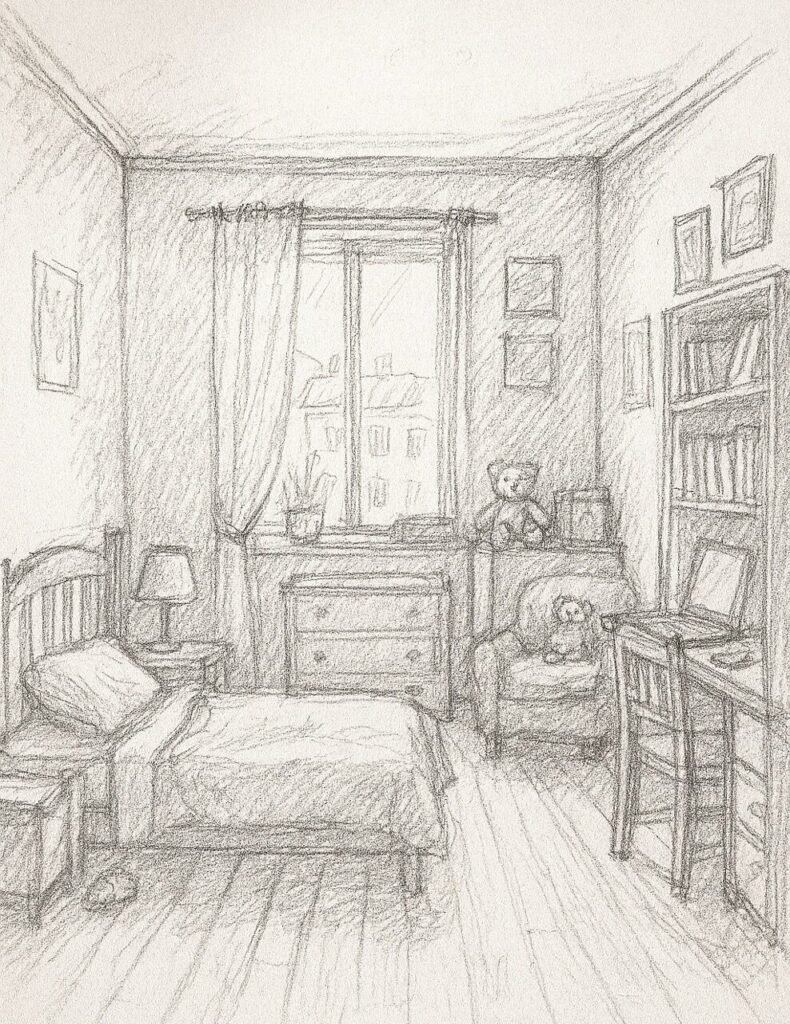
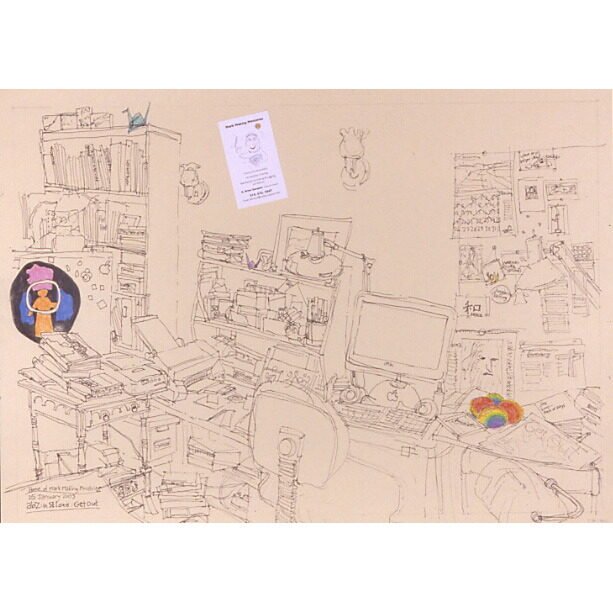
Drawing the inside of your room is more than a simple exercise in observation—it is a gateway into creativity, mindfulness, and artistic growth. When you sit down to sketch for hours, focusing on the familiar environment around you, you begin to notice details that often go overlooked: the way light falls across furniture, the subtle textures of fabrics, or the quiet geometry of everyday objects. This practice not only sharpens your drawing skills but also deepens your connection to your personal space.
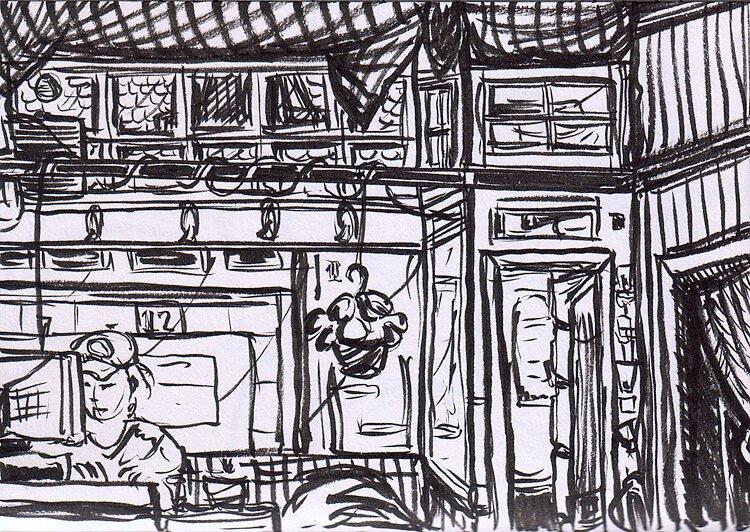
credit: jasonpogo
Why Sketching Your Room Matters
Sketching the inside of your room is a powerful way to train your eye and hand. Unlike drawing from photographs, working directly from life forces you to engage with perspective, proportion, and depth in real time.
- Mindful Observation: Spending hours sketching encourages you to slow down and appreciate your surroundings.
- Skill Development: Practicing with familiar objects builds confidence in line work, shading, and composition.
- Creative Exploration: Your room becomes a canvas for experimenting with styles, from realism to abstract interpretation.
Setting Up Your Sketching Session
Choosing Your Space
Select a corner or vantage point that allows you to see multiple elements of your room. A desk, bed, or window can serve as focal points, while surrounding objects add depth and context.
Preparing Materials
To sketch for hours, you’ll need:
- Sketchbook or drawing paper
- Pencils of varying hardness
- Erasers and sharpeners
- Optional: ink pens, colored pencils, or watercolors for added dimension
Creating the Atmosphere
Set aside uninterrupted time. Play soft music, adjust lighting to highlight shadows, and arrange your seat for comfort. The goal is to immerse yourself fully in the act of drawing.
Techniques for Sketching Your Room
 Sketchbooks.org | RESEARCH HUB:
one-point or two-point perspective
Visual research is critical for any creative endeavor. We have compiled specialized links to lead you directly to images, videos, and inspiration for "one-point or two-point perspective" across the web's best visual search platforms.



Observing Perspective
Rooms are full of straight lines, angles, and vanishing points. Practice one-point or two-point perspective to capture the depth of walls, ceilings, and furniture.
Capturing Light and Shadow
Notice how natural or artificial light interacts with objects. Use shading techniques such as hatching, cross-hatching, or blending to create contrast and realism.
Detailing Everyday Objects
From books on a shelf to patterns on a rug, these small details bring authenticity to your sketch. Incorporating them makes your drawing feel lived-in and personal.
Experimenting with Style
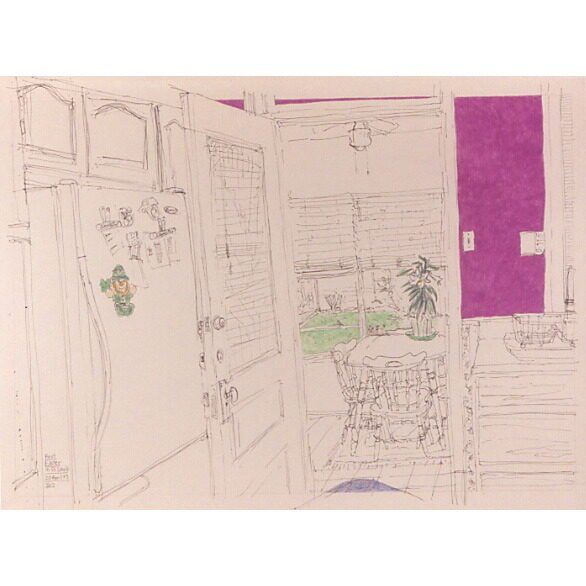
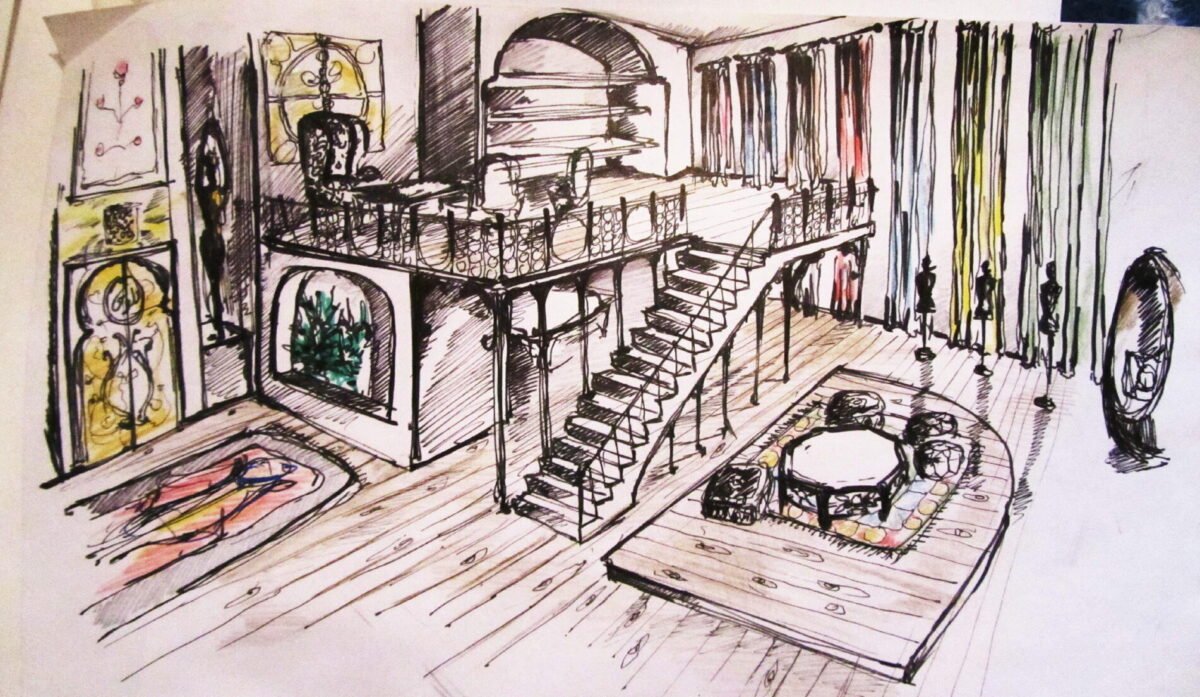
You don’t have to stick to realism. Try abstract interpretations, exaggerating shapes or focusing only on textures. This keeps the process fresh and engaging during long sketching sessions.
Benefits of Sketching for Hours
Deep Focus and Flow
Extended sketching sessions allow you to enter a state of flow, where time seems to disappear and creativity takes over.
Artistic Growth
The more time you spend sketching, the more refined your skills become. You’ll notice improvements in accuracy, confidence, and speed.
Emotional Connection
Drawing your room creates a visual diary of your personal space. Over time, these sketches become nostalgic records of how your environment evolves.
Common Challenges and How to Overcome Them
Struggling with Perspective
Start with simple shapes and gradually build complexity. Use rulers or guides if necessary, but practice freehand to strengthen your eye.
Losing Motivation
Break your session into smaller goals: sketch one corner, then move to another. Celebrate progress rather than perfection.
Overwhelmed by Details
Focus on major forms first, then add details gradually. Simplifying helps maintain balance in your composition.

Sketchbooks.org | TECHNIQUES & PROCESS
Chiaroscuro | The Drama of Light and Shadow
Immerse yourself in the master technique of light and shadow. Discover how to create depth and drama through the bold use of contrast.
Frequently Asked Questions
How do I start drawing the inside of my room?
Begin by choosing a focal point, sketching basic shapes, and gradually adding details.
What materials are best for sketching for hours?
A comfortable sketchbook, pencils, erasers, and optional inks or colors are ideal for long sessions.
How can I improve my perspective drawing?
Practice one-point and two-point perspective regularly, using your room’s architecture as a guide.
Should I draw in realism or experiment with styles?
Both approaches are valuable—realism builds skill, while experimentation keeps creativity alive.
How do I stay motivated during long sketching sessions?
Set small goals, take breaks, and remind yourself that progress matters more than perfection.
Can sketching my room help me relax?
Yes, the act of mindful observation and drawing often reduces stress and enhances focus.
How do I capture light and shadow effectively?
Observe how light interacts with objects and use shading techniques to create depth.
Is it okay to add text or notes to my sketches?
Absolutely—margin notes or footnotes can enrich your sketches with context and personal reflection.
How often should I sketch my room?
Regular practice, even weekly, helps you track progress and notice changes in your environment.
What if my sketches don’t look perfect?
Perfection isn’t the goal—each sketch is a step toward growth and self-expression.
Final Thoughts
Drawing the inside of your room and sketching for hours is a practice that blends technical skill with personal reflection. It transforms ordinary surroundings into extraordinary studies of light, form, and memory. Whether you pursue realism or abstraction, the act of sketching your room is a journey into both artistry and mindfulness. Over time, these drawings become more than exercises—they evolve into a visual diary of your life, capturing the essence of your space and the growth of your creative spirit.
credit: abz
Ready to Share Your Work?
What inspires you to pick up your sketchbook most often?

You’re always in some sort of ‘room’ haha