Table of Contents
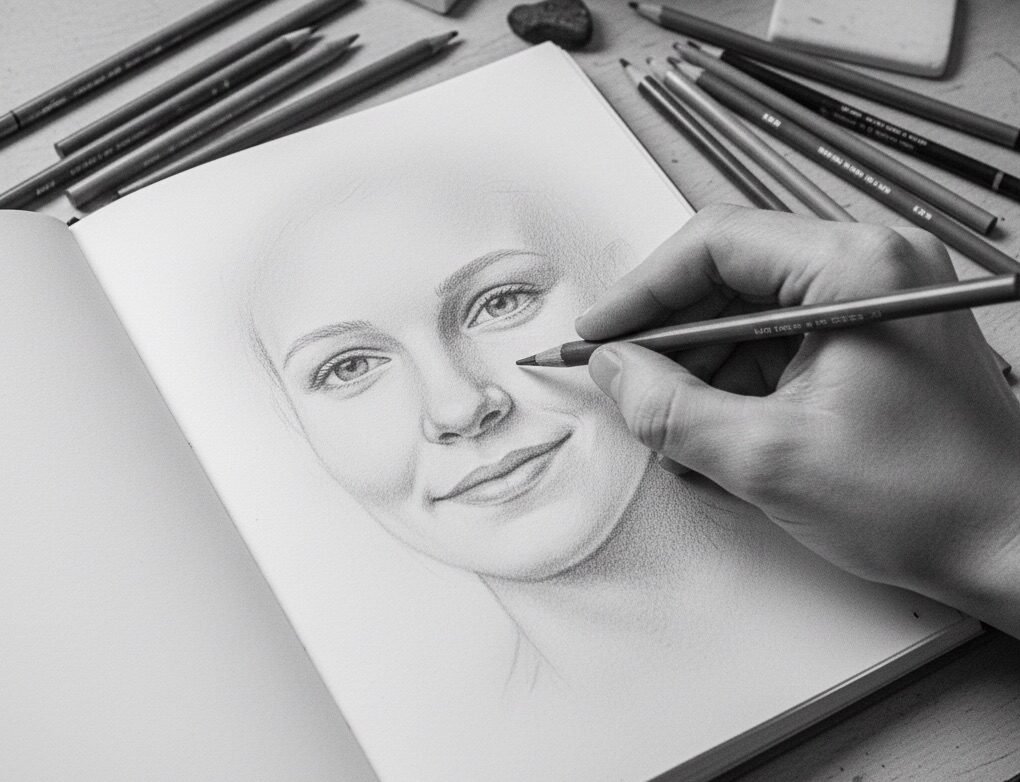
Sfumato is one of the most captivating techniques in art, known for its ability to create soft, smoky transitions between tones. While it originated in Renaissance painting, sfumato has a powerful role in drawing and sketchbook practice. By learning how to apply sfumato in your sketches, you can achieve lifelike depth, subtle shading, and atmospheric effects that elevate your work beyond simple line drawings.
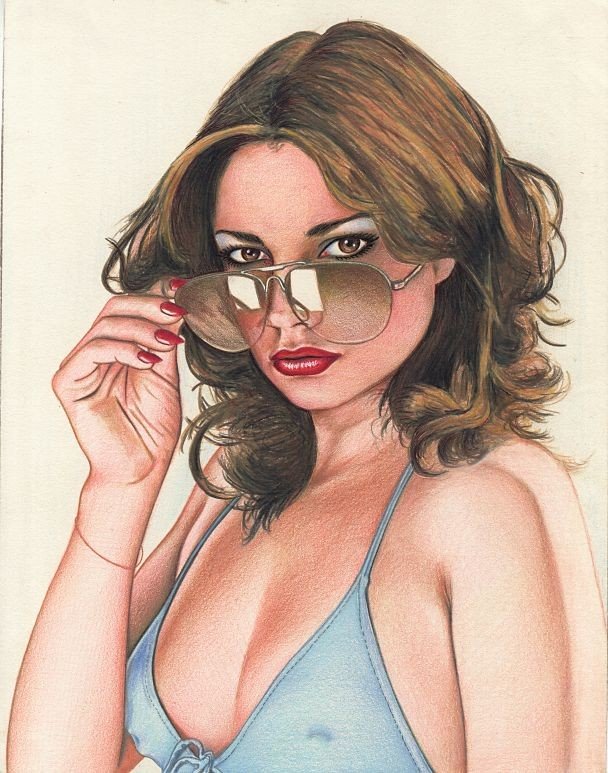
credit: philipdeangray
What is Sfumato in Drawing?
Sfumato refers to the gradual blending of tones so that edges disappear and forms emerge naturally from shadow and light. In drawing, this means avoiding hard outlines and instead using smooth transitions to suggest volume and depth. The result is a sketch that feels realistic, atmospheric, and expressive.
Why Use Sfumato in Your Sketchbook?
- Adds Realism: Soft shading mimics how the human eye perceives light and shadow.
- Creates Atmosphere: Sfumato introduces a smoky, dreamlike quality to sketches.
- Enhances Portraits: Facial features appear more natural when edges are softened.
- Improves Depth: Gradual tonal transitions give drawings a three-dimensional feel.
Tools and Materials for Sfumato
Graphite Pencils
Different grades of graphite allow for varied tonal ranges. Softer pencils (like 4B–8B) are ideal for deep shadows, while harder pencils (like H–2H) create lighter tones.
Charcoal
Charcoal sticks and pencils are excellent for bold shading and blending, perfect for achieving sfumato’s smoky effect.
Blending Tools
Tortillons, blending stumps, tissues, or even your fingers can help smooth transitions between tones.
Paper
Smooth paper allows for subtle blending, while textured paper adds character to the shading.
Techniques for Applying Sfumato in Sketches
Layering Tones
Build up shading gradually with light strokes. Avoid pressing too hard, as sfumato relies on subtle transitions.
Blending Edges
Use blending tools to soften lines and merge tones seamlessly. This eliminates harsh borders and creates a natural flow.
Working with Light and Shadow
Focus on how light falls across your subject. Sfumato works best when you carefully observe highlights, mid-tones, and shadows.
Avoiding Outlines
Instead of defining shapes with hard lines, let shading suggest the form. This makes the drawing feel more lifelike.
Sfumato in Portrait Drawing



Portraits benefit greatly from sfumato. Features like eyes, lips, and cheeks should emerge softly from surrounding tones. The technique helps capture subtle expressions and the natural softness of skin. By blending shadows around the nose or mouth, you avoid cartoonish outlines and achieve realism.
Sfumato in Landscape Sketches
In landscapes, sfumato can be used to create atmospheric perspective. Distant hills, trees, or buildings appear hazy and softened, enhancing depth. Blending edges between sky and land creates a seamless transition that feels natural and immersive.
Common Mistakes to Avoid
- Over-Blending: Too much blending can flatten the drawing and remove structure.
- Ignoring Paper Texture: Rough paper may resist subtle transitions, so choose wisely.
- Hard Outlines: Outlines break the sfumato effect, making drawings look rigid.
- Rushing: Sfumato requires patience; layering and blending take time.
Practice Exercises for Sfumato
Shading a Sphere
Draw a simple sphere and practice shading from dark to light without visible edges.
Portrait Study
Sketch a face and focus on blending shadows around the eyes and mouth.
Landscape Gradient
Create a horizon line and practice blending sky into land with soft transitions.
Benefits of Practicing Sfumato Regularly
- Improves observational skills by focusing on light and shadow.
- Enhances control over pencil pressure and blending techniques.
- Builds patience and discipline in sketching.
- Elevates sketchbook studies into finished, atmospheric artworks.
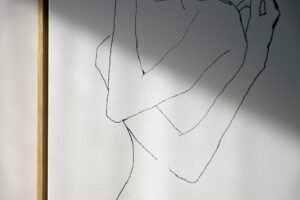
 Sketchbooks.org | TECHNIQUES & PROCESS
Timed Minimalism | The Impact of Bold, Expressive Lines
Explore the impact of simplicity. Discover how bold, expressive lines can capture the essence of a subject in a limited amount of time.
Frequently Asked Questions
What does sfumato mean in drawing?
It means blending tones so edges disappear, creating soft, smoky transitions.
Can sfumato be done with pencils?
Yes, graphite pencils are excellent for layering and blending tones.
Is sfumato only for portraits?
No, it works in landscapes, still life, and any sketch needing soft transitions.
How do I avoid over-blending?
Use light layers and stop once the transition feels natural, not flat.
Can beginners use sfumato?
Absolutely, it’s a great way to practice shading and improve realism.
Do I need special tools for sfumato?
Blending stumps or tissues help, but even careful pencil work can achieve it.
How is sfumato different from chiaroscuro?
Chiaroscuro emphasizes strong contrasts, while sfumato focuses on subtle, smoky blending.
Final Thoughts
Sfumato is more than a Renaissance painting technique—it’s a timeless method that can transform your sketchbook practice. By mastering soft shading, blending, and tonal transitions, you can create drawings that feel alive, atmospheric, and deeply expressive. Whether you’re sketching portraits, landscapes, or simple studies, sfumato allows you to move beyond outlines and embrace the subtle interplay of light and shadow. With patience and practice, your sketchbook becomes not just a place for ideas, but a gallery of realistic, evocative art.
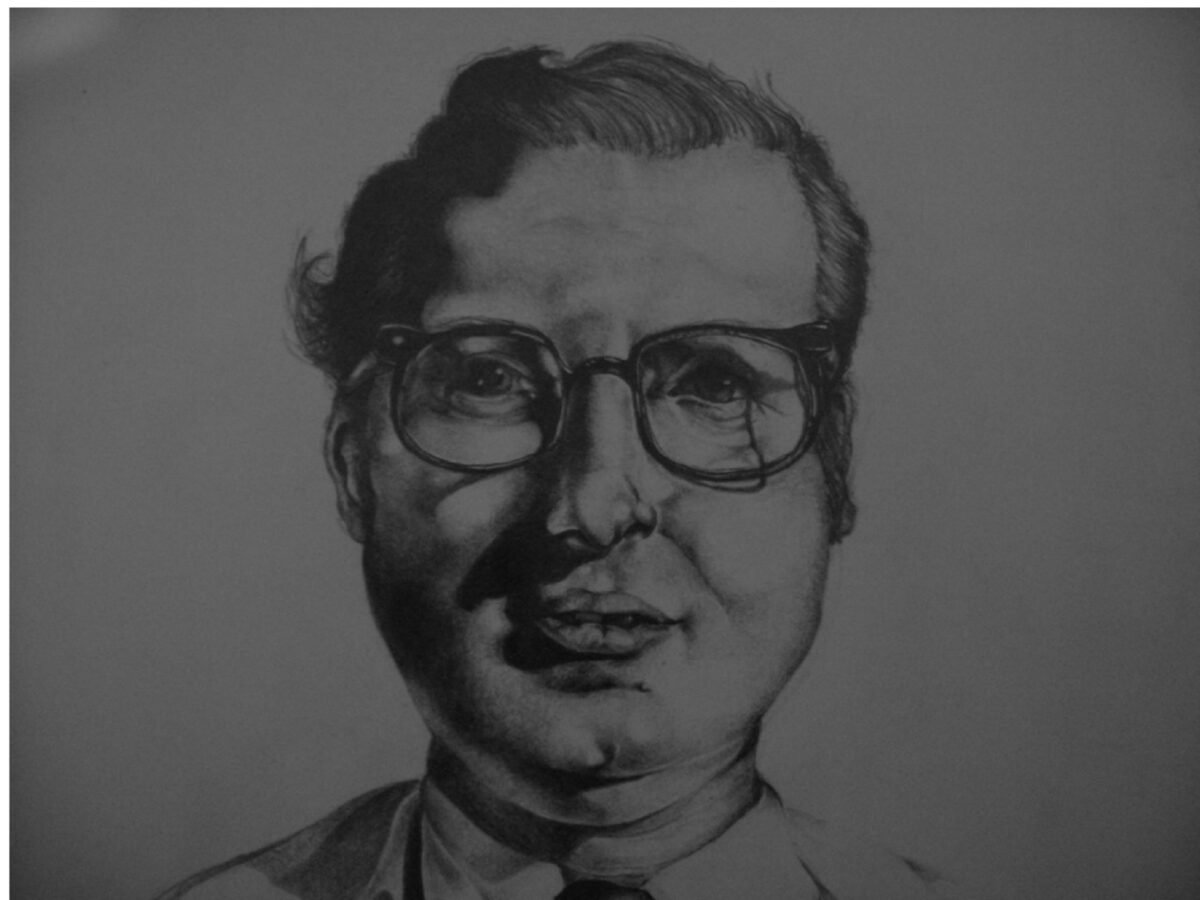
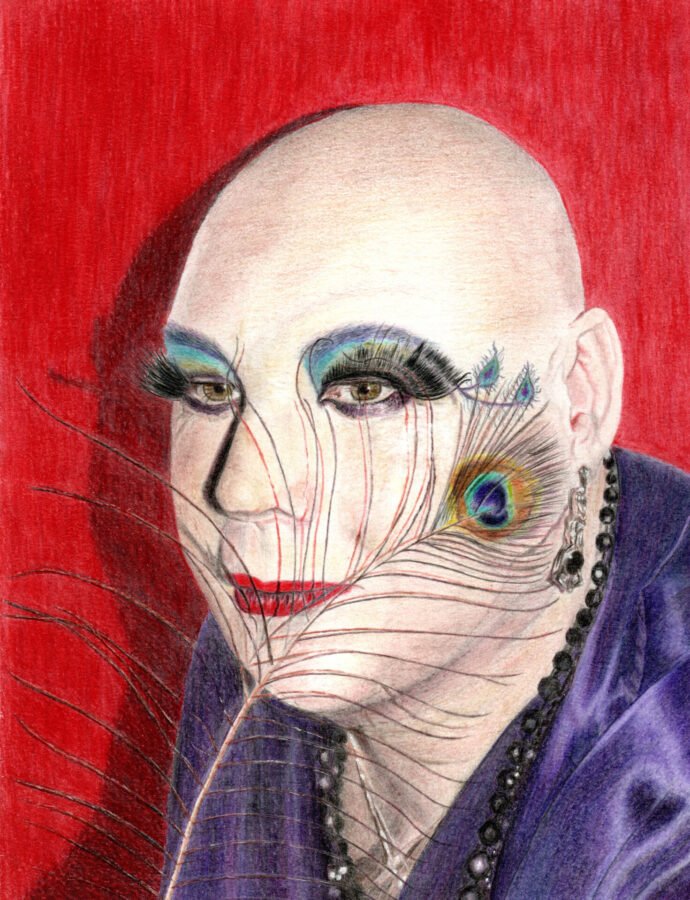
credit: candykiller
Ready to Share Your Work?
Do you share your sketchbook content with others?
This is easier to do with wet media imho.
Might be even, the wet gets away from you and it’s hard to recover. Dry is easier to do in sections rather than having to do everything at once for a consistent look across the drawing. Wet is chaos for me, but I like the atmospheric effects it gives more than dry. I feel like I’m always trying to imitate wet when doing dry.. lol.