Table of Contents
Finding places to show your work is one of the most empowering steps in your creative journey. Whether you’re traveling, newly settled in a city, or simply ready to expand your reach, learning how to scope out the local art scene gives you access to opportunities you might never discover online. From galleries and cafés to community centers, pop‑ups, and unconventional venues, the world is full of spaces eager to showcase creative voices.
Why Scoping Out the Local Art Scene Matters
Every city—large or small—has its own creative ecosystem. Understanding how it works helps you:
- Find venues that match your style
- Connect with other artists
- Learn about calls for entry
- Discover hidden opportunities
- Build confidence in presenting your work
Showing your art isn’t just about exposure—it’s about joining a community, learning from others, and finding your place in the creative landscape.
Start With a Walking Tour of the Neighborhood
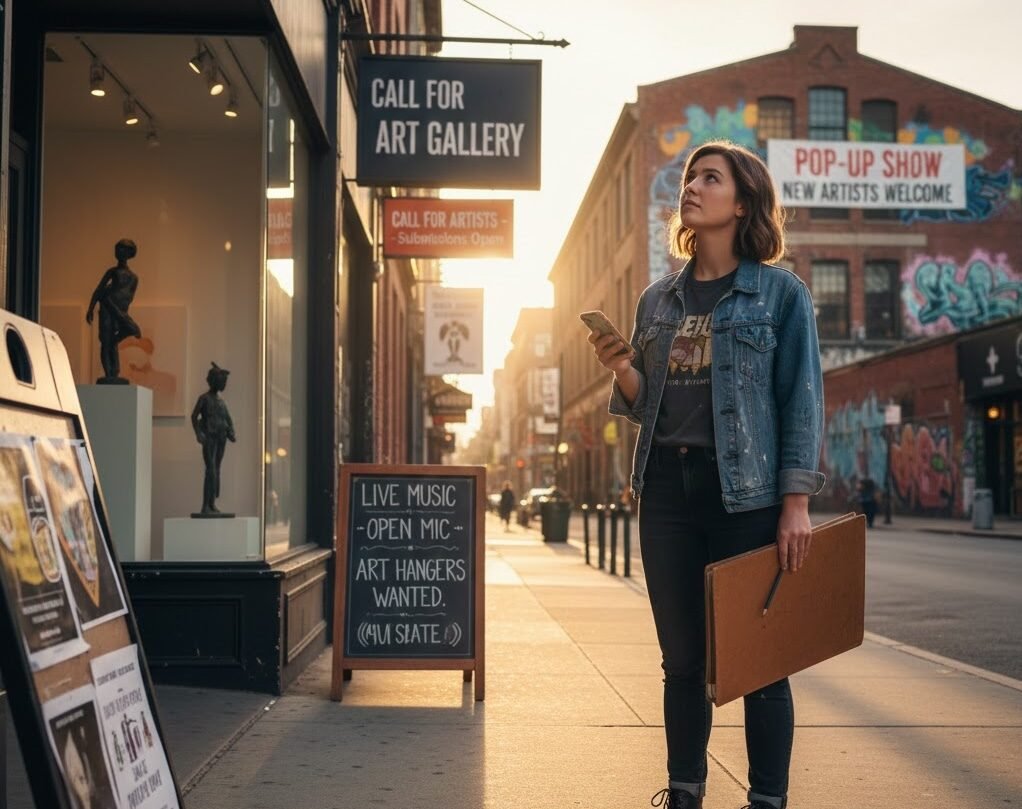
One of the best ways to understand a local art scene is simply to walk. Many opportunities aren’t advertised online, and you’ll often find venues that welcome artists just by exploring.
What to Look For
- Independent cafés
- Boutique shops
- Community centers
- Co‑working spaces
- Small galleries
- Pop‑up markets
- Artist collectives
These places often feature rotating art displays and are open to emerging artists.
Take Notes as You Explore
Record:
- Names of venues
- Contact information
- The type of art they display
- The vibe of the space
- Whether your work would fit
This helps you build a personalized list of potential exhibition spots.
Visit Local Galleries and Art Walks
Galleries are the backbone of most art communities. Even if you’re not ready to show in a formal gallery, visiting them helps you understand the local aesthetic and professional expectations.
Attend Openings and Art Walks
These events are perfect for:
- Meeting gallery owners
- Talking with exhibiting artists
- Learning about submission processes
- Observing how work is presented
Art walks, in particular, are friendly, casual, and full of opportunities for conversation.
Explore Community-Based Art Opportunities
Not every exhibition needs to be in a gallery. Many artists build their careers through community spaces that are more accessible and less intimidating.
Great Community Venues for Artists
- Libraries
- City halls
- Local museums
- Cultural centers
- Schools and universities
- Nonprofit organizations
These spaces often host themed shows, seasonal exhibitions, or open calls for local artists.
Look for Pop-Up Shows and Temporary Spaces
Pop-up art shows are becoming increasingly popular. They’re flexible, low-cost, and perfect for emerging artists.
Where Pop-Ups Happen
- Empty storefronts
- Event spaces
- Breweries
- Restaurants
- Outdoor markets
- Festivals
Pop-ups allow you to test your work with a live audience and build your exhibition experience quickly.

Connect With Local Artists and Creative Groups
Networking doesn’t have to be formal. Many artists find opportunities simply by talking to others in the community.
Ways to Connect
- Join local art groups
- Attend workshops
- Visit open studios
- Participate in sketch meetups
- Follow local artists on social media
Artists often share leads, recommend venues, and collaborate on group shows.
Search for Calls for Entry and Juried Shows
Many cities have ongoing calls for entry that invite artists to submit work for exhibitions. These can be local, regional, or themed.
Where to Find Calls
- Local arts councils
- Gallery websites
- Community bulletin boards
- Artist newsletters
- Social media groups
Juried shows can be competitive, but they’re excellent for building your exhibition résumé.
Approach Small Businesses That Display Local Art
Many small businesses love supporting local artists. They get fresh décor, and you get exposure.
Ideal Businesses for Art Displays
- Coffee shops
- Restaurants
- Yoga studios
- Hair salons
- Boutiques
- Bookstores
When approaching a business, bring:
- A small portfolio
- A simple pitch
- Clear information about your work
Most owners appreciate artists who are organized and easy to work with.
Evaluate Whether a Venue Fits Your Art Style
Not every space is right for every artist. Before committing, consider:
Key Factors to Evaluate
- Does the venue’s style match your work
- Is the lighting appropriate
- Is the space secure
- Will your art be respected
- Does the audience align with your goals
Choosing the right venue increases the impact of your exhibition.
Prepare a Simple, Professional Artist Packet
When you’re ready to approach venues, having a clean, organized packet makes a strong impression.
What to Include
- Artist statement
- Short bio
- Portfolio samples
- Contact information
- Website or social links
- Exhibition history (if any)
Keep it concise, friendly, and easy to read.
Follow Up and Build Long-Term Relationships
Once you’ve shown your work somewhere, stay connected. Many artists build ongoing partnerships with venues that appreciate their style and professionalism.
Ways to Maintain Relationships
- Send thank-you messages
- Share photos of the exhibition
- Promote the venue on social media
- Offer to participate in future events
Consistency builds trust—and trust leads to more opportunities.
Here are clean, ready‑to‑drop‑in new sections written in the same tone and structure as your post. No extra commentary—just the sections.
Use Your Sketchbook to Document Your Shows
Your sketchbook can become one of the most meaningful records of your exhibition journey. Treat it as both a visual journal and a creative archive. Sketch the layout of the room, the way your pieces look on the wall, and the small details that make the event memorable. Add quick notes about conversations, questions people ask, or ideas that come to you while observing how viewers interact with your work. Over time, these pages become a personal history of your growth as an exhibiting artist.
Create a Pre-show Space Layout and Art Plan
Even if the venue ultimately controls the layout, practicing your own space planning is a powerful skill. Use your sketchbook to map out how you would arrange your pieces, where lighting should fall, and how viewers might move through the space. This exercise helps you think like a curator and prepares you for future opportunities where you will have full control. It also sharpens your ability to communicate clearly with venue staff when discussing installation options.
Sketch the Architecture of the Venue
Every exhibition space has its own character, and sketching the architecture—inside and out—helps you connect with the environment in a deeper way. Capture the storefront, the entryway, the windows, the ceiling beams, or the way light moves through the room. Think of it as scrapbooking through drawing: a visual record of the places that have supported your art. These sketches enrich your memory of the event and can inspire future pieces, compositions, or location-based artwork.
Sketch Portraits of People You Meet
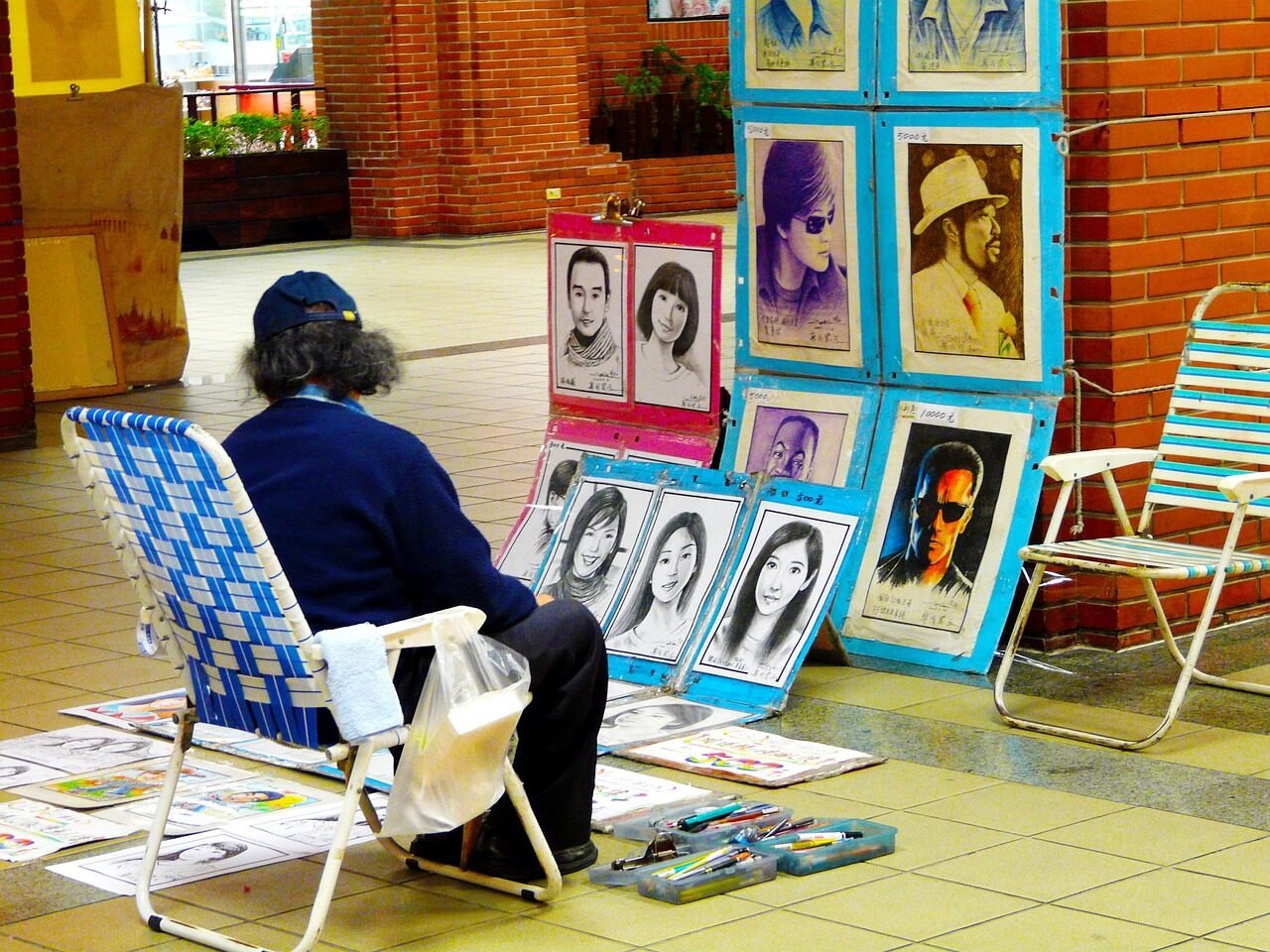
Art shows are full of interesting faces and personalities. Use your sketchbook to capture quick portraits of fellow artists, visitors, or people you have meaningful conversations with. These don’t need to be perfect likenesses—gesture portraits, silhouettes, or expressive line drawings are enough. Adding names or short notes beside each sketch turns your book into a living network map of your creative community.
Fill Your Sketchbook With Notes, Impressions, and Ideas
Your sketchbook is more than drawings—it’s a container for everything you want to remember. Jot down comments people make about your work, ideas for future pieces, color palettes you notice in the room, or thoughts that come to you during quiet moments. These notes become invaluable later, especially when you’re traveling, waiting in airports, or sitting on long flights. A well‑documented show gives you a rich source of inspiration to revisit anytime you need creative fuel.
Sketchbooks.org | SKETCHBOOK MATERIALS
Top 3 Tablet & Best iPad Sketching Apps | Digital Drawing Tools
Navigate the digital landscape. Discover the most powerful and intuitive apps for drawing on the go with your tablet or iPad.
Frequently Asked Questions
How do I find places to show my artwork locally?
Explore your neighborhood, visit galleries, and look for community spaces that regularly feature local artists.
Do small businesses really display local art?
Yes, many cafés, boutiques, and restaurants love showcasing local artists because it adds personality to their space.
Are pop-up shows worth it for emerging artists?
Absolutely—they’re low-pressure, flexible, and great for building experience.
How do I approach a venue professionally?
Bring a small portfolio, introduce yourself politely, and explain how your work fits their space.
Do I need a large portfolio to start showing my work?
No, a small, cohesive selection of your best pieces is enough.
Are juried shows important for artists?
They’re helpful for building credibility, but not required to start exhibiting.
How do I know if a venue is right for my art?
Consider the style, lighting, audience, and overall atmosphere.
Should I network with other artists?
Yes, artists often share opportunities and help each other find exhibition spaces.
Final Thoughts
Scoping out the local art scene is an exciting part of your creative journey. Whether you’re exploring a new city or rediscovering your hometown, opportunities to show your work are everywhere—you just need to know where to look. By walking the neighborhood, connecting with artists, visiting galleries, and approaching community spaces, you’ll uncover a world of venues ready to support your creativity.
Ready to Share Your Work?
If your sketchbook was a mode of transport, what would it be?