Table of Contents
The Art of Personalizing Your Sketchbook
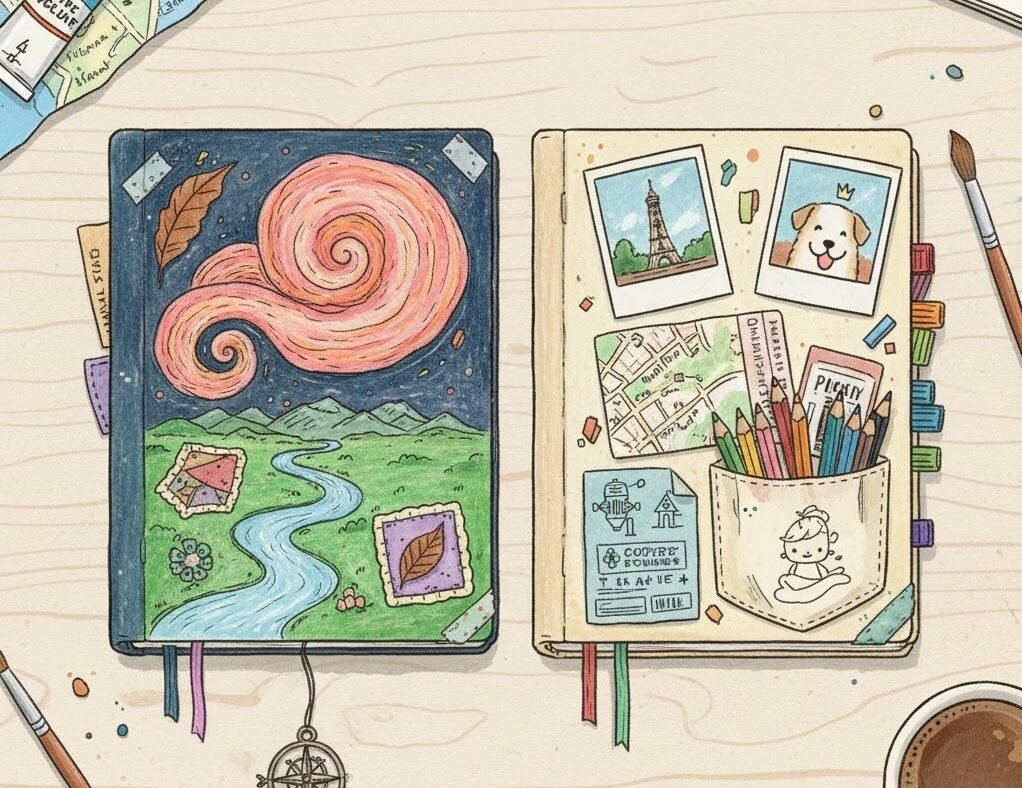
A sketchbook is more than a container for drawings—it is a companion, a studio in motion, and a record of your creative evolution. Personalizing its cover and interior transforms it from a blank object into something with presence, intention, and identity. Whether your taste leans toward classical craftsmanship, modern aesthetics, or the intimate rituals of the creative process, the way you design your sketchbook’s outside and inside surfaces can shape how you relate to the work within. This guide explores thoughtful, artist-centered ideas for customizing front covers, back covers, wraparound designs, and interior pages, with an emphasis on expressive detail and meaningful personalization.
credit: bwgunner
Designing the Outside: Front, Back, and Wraparound Covers
The Front Cover as a Statement of Identity
The front cover is the first encounter anyone has with your sketchbook, including you. Some artists treat it as a protective shield, keeping it minimal and understated. Others see it as a canvas in its own right, a place to signal mood, style, or intention.
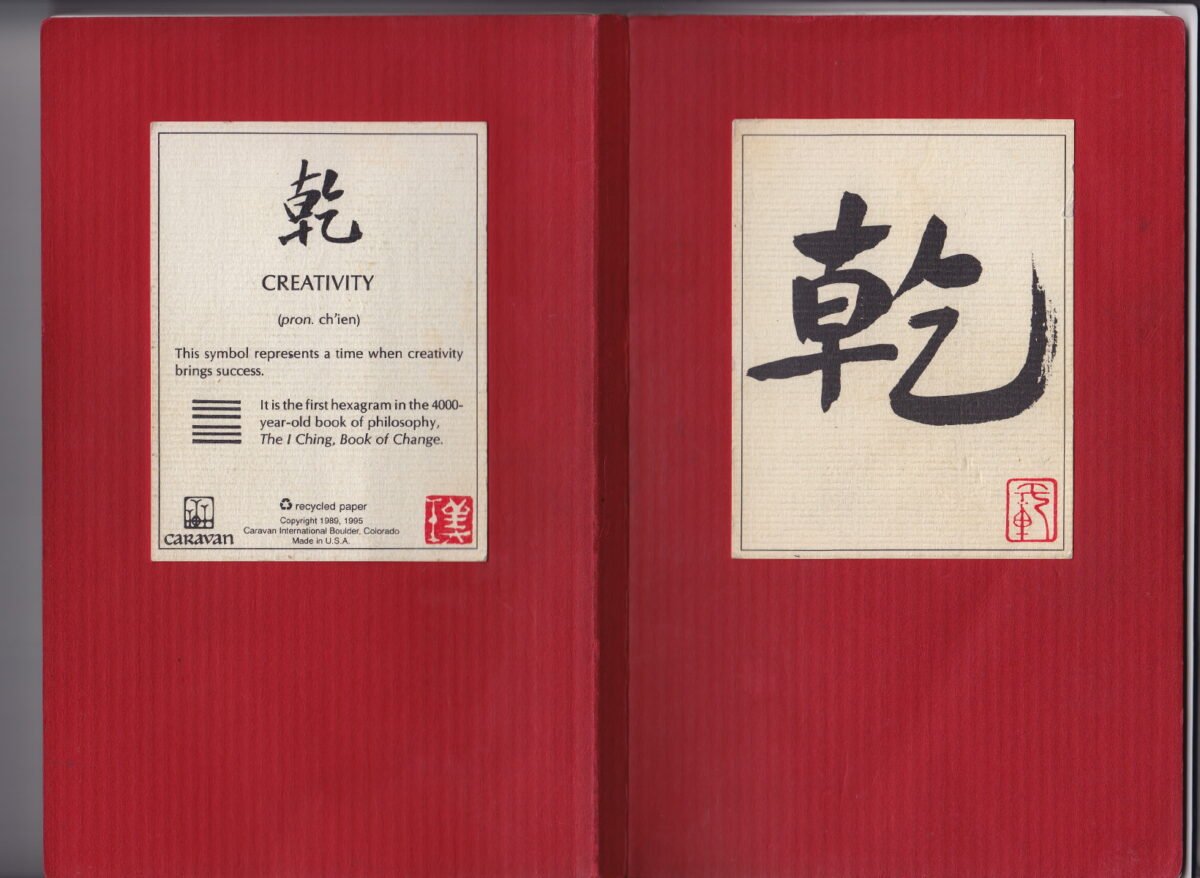
Classical approaches often emphasize craftsmanship—linen textures, embossed initials, hand‑painted motifs, or carefully applied labels. These choices echo the tradition of bookbinding and give the sketchbook a sense of permanence.
Modern aesthetics lean toward bold visual innovation: abstract marks, collage elements, graphic shapes, or experimental materials layered into a dynamic surface. These covers feel alive, almost like a preview of the energy inside.
For artists focused on the creative process, the front cover becomes a living document. It may accumulate stickers from travels, swatches from studio experiments, or handwritten notes that evolve over time. The cover becomes a map of the journey rather than a finished design.
The Back Cover as a Quiet Counterpart
The back cover often receives less attention, yet it offers a subtle space for personalization. Some artists use it as a place for practical information—contact details, a small logo, or a short phrase that anchors the book’s purpose. Others treat it as a visual echo of the front, creating balance through color, texture, or pattern.
A back cover can also hold a private message to yourself: a reminder, a mantra, or a quiet intention that supports your creative mindset each time you close the book.
Wraparound Designs Across Both Covers
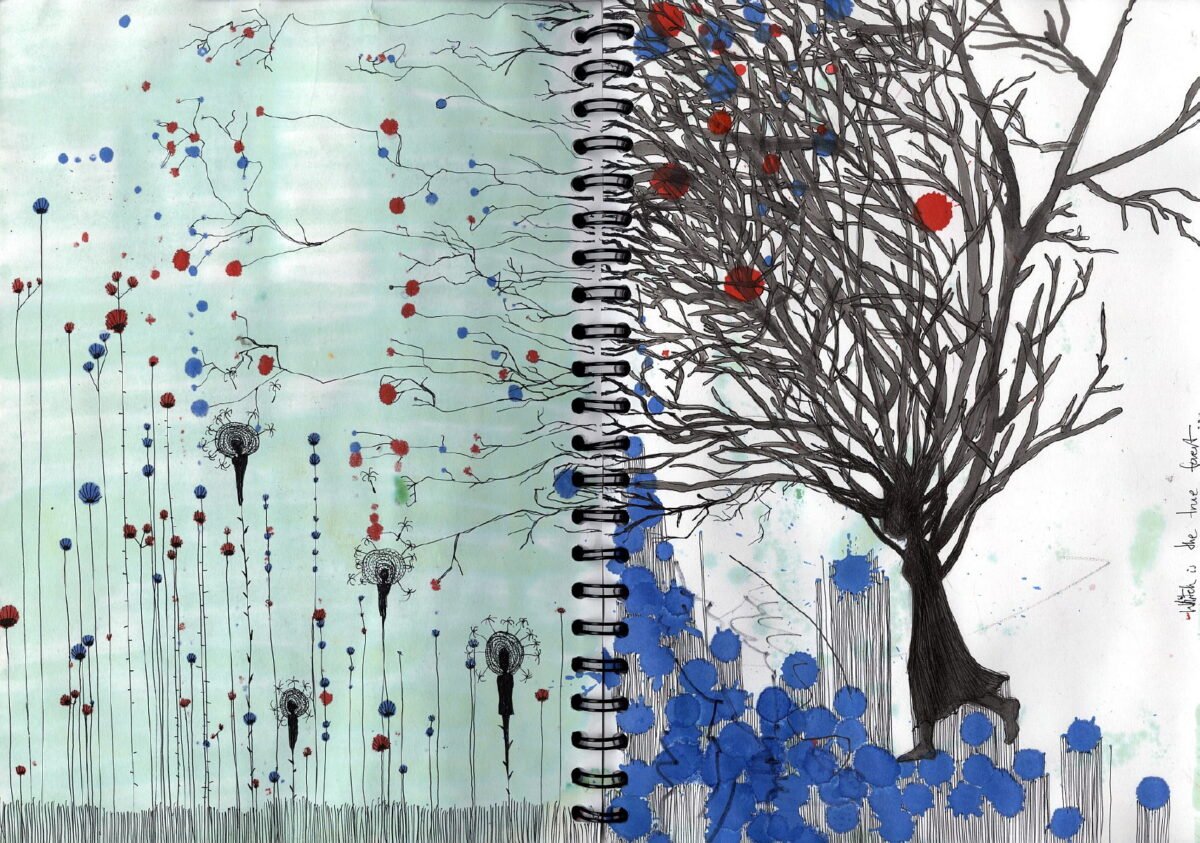
When the front and back covers are treated as one continuous surface, the sketchbook becomes an object with sculptural presence. Wraparound designs allow for panoramic illustrations, flowing patterns, or conceptual imagery that unfolds as the book is handled.
This approach works beautifully for:
- Landscape imagery that stretches across the spine
- Abstract compositions that move from one side to the other
- Collage elements that create a unified visual field
- Typography that wraps around like a ribbon
A wraparound cover feels immersive, inviting the viewer to turn the book in their hands and experience it as a whole.
credit: abz
credit: aniapawlik
Personalizing the Inside: Names, Dates, and Creative Markings
The First Inside Page: A Place for Identity
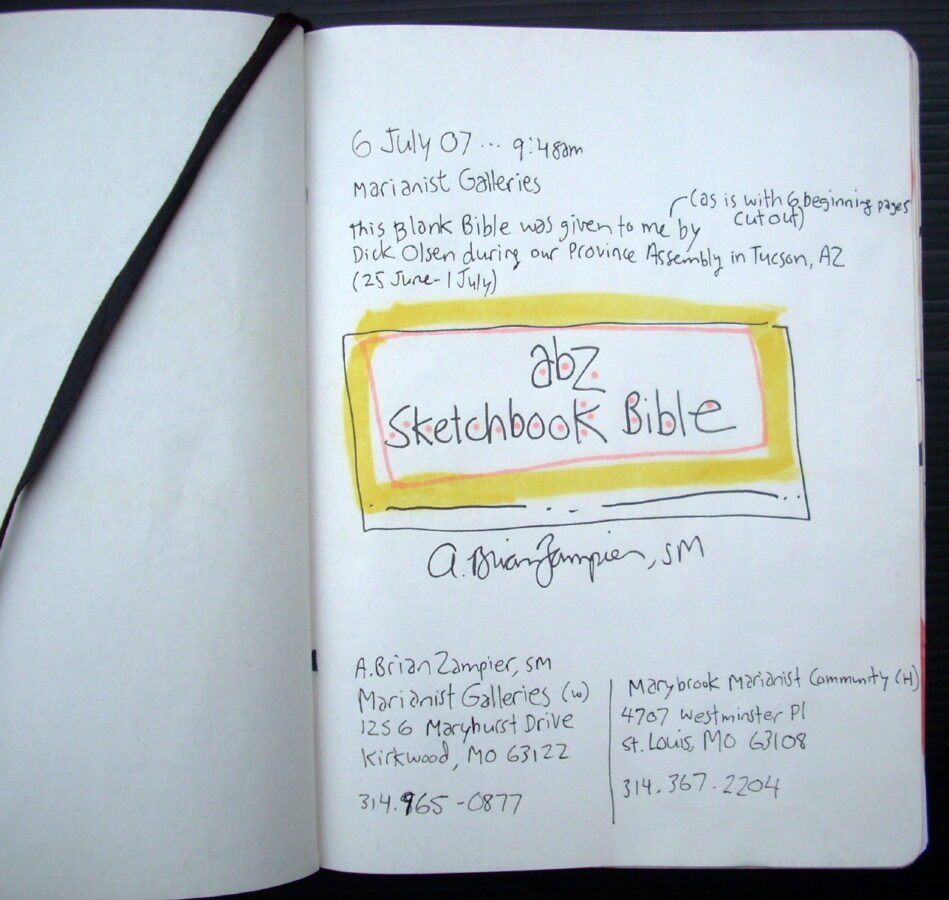
The inside front cover and the first page often serve as the sketchbook’s introduction. Artists frequently include:
- Name
- Year
- Location
- Signature
- Start date
These elements function like a title page, grounding the sketchbook in time and place. For some, this page becomes a ritual—an intentional beginning that marks the transition from blank object to active creative space.
The Final Page: A Record of Completion
Just as the first page marks the beginning, the last page often marks the end. Many artists include:
- End date
- Closing signature
- A short reflection
- A symbol or motif that signifies completion
This creates a sense of closure and acknowledges the sketchbook as a finished chapter in your artistic development.
Inside Covers as Functional or Expressive Spaces
The inside covers—both front and back—offer unique opportunities for personalization. They can be functional, decorative, or a blend of both.
Functional ideas include:
- A table of contents for major sketches
- A list of materials used throughout the book
- A color palette reference
- A pocket or taped envelope for loose notes
- A small index of themes or locations
Expressive ideas include:
- Collaged scraps from your studio
- A mood board for the sketchbook’s theme
- A quote that sets the tone
- A pattern or texture that frames the book’s interior
These spaces often become some of the most personal areas in the entire sketchbook.
The Back Inside Cover: A Place for Reflection
The inside back cover is a natural place for reflection. Some artists use it to write a short note to their future selves, summarize what they learned, or record ideas they want to carry into the next sketchbook. Others fill it with visual fragments—tiny drawings, test marks, or leftover paint—that form an unintentional but meaningful collage.
Additional Ideas for Inside Personalization
A Table of Contents for Thematic Sketchbooks
If your sketchbook follows a theme—travel, portraits, studies, experiments—a table of contents can help you navigate it later. This is especially useful for artists who revisit old sketchbooks for reference or inspiration.
A Materials Log
Recording the pens, inks, paints, or papers used throughout the sketchbook creates a valuable resource for future projects. It also documents your evolving preferences and techniques.
A Visual Index
Some artists create a miniature thumbnail index of each page. This transforms the sketchbook into a curated archive and makes it easier to locate specific drawings.
A Memory Section
For travel sketchbooks or project-based books, a small section dedicated to memories—ticket stubs, pressed leaves, handwritten notes—adds depth and narrative context.

 Sketchbooks.org | TECHNIQUES & PROCESS
Sketchbook as a Sanctuary | Sketching Calm and Creativity in Your Pages
Discover a quiet space for the mind. Explore how the pages of your sketchbook can offer calm, focus, and a creative escape from the everyday.
Frequently Asked Questions
Should I decorate my sketchbook cover?
Only if it enhances your connection to the book; some artists prefer minimal covers while others enjoy expressive designs.
What should I write on the inside front cover?
Most artists include their name, date, and a signature to mark ownership and the start of the sketchbook.
Is a table of contents useful in a sketchbook?
It can be helpful for themed or long-term sketchbooks where organization matters.
Should I personalize the back cover too?
Yes, even subtle additions can create balance and give the sketchbook a sense of completeness.
What belongs on the inside back cover?
Many artists use it for reflections, closing notes, or small visual elements that mark the end of the book.
Can I use collage elements on my cover?
Absolutely—collage adds texture, personality, and visual interest to both front and back covers.
Is it better to keep the cover blank for protection?
Some artists prefer this approach, especially if they carry their sketchbook everywhere and want to avoid wear on decorative elements.
Should I include start and end dates?
Including dates helps track your artistic growth and gives each sketchbook a clear timeline.
Can the cover design reflect the theme of the sketchbook?
Yes, thematic covers create cohesion and set expectations for what’s inside.
Final Thoughts
Personalizing your sketchbook—inside and out—turns it into a meaningful creative object. Whether you favor classical craftsmanship, modern visual innovation, or the intimate rituals of the creative process, your choices shape how you experience the book as you work through it. From front and back covers to inside pages filled with names, dates, reflections, and visual fragments, every detail contributes to the story your sketchbook tells. The more intentional your personalization, the more your sketchbook becomes not just a collection of drawings, but a curated artifact of your artistic life.

credit: gfwagner
Ready to Share Your Work?
How do you feel about blank pages in a new sketchbook?

The cover is a great place to spill my coffee or tea on
Sometimes the cover is that hard cloth that you can’t draw or make marks on.. I like those sketchbooks.
Yeah, the cover is the last thing you think of when buying a book.. it’s all about the size and paper quality. A cover you can customize is BONUS