Table of Contents
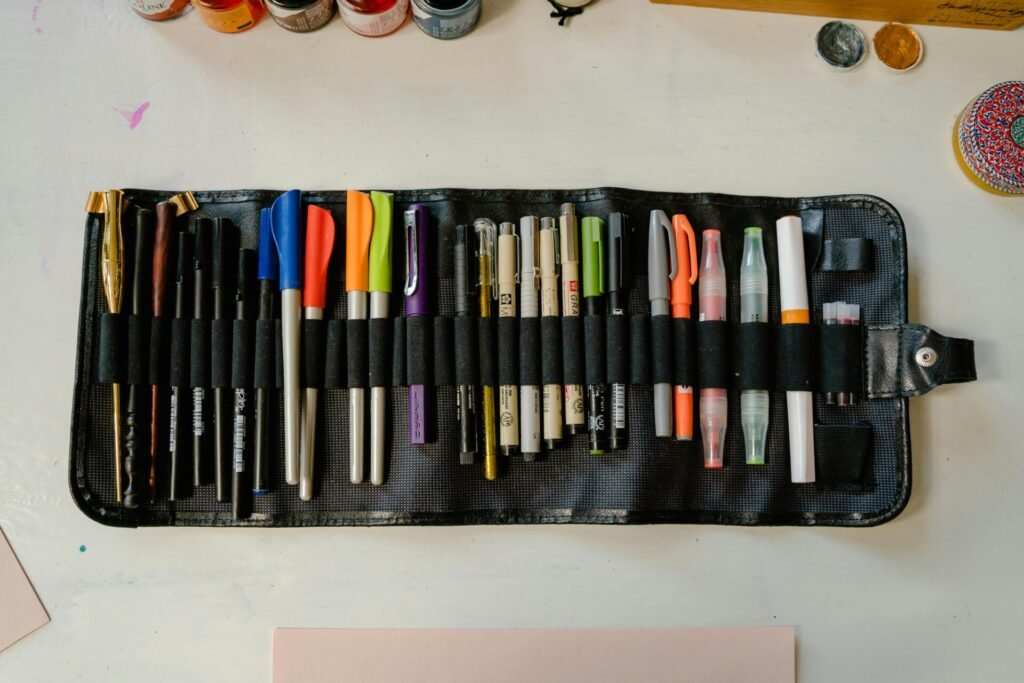
Whether you’re sketching, journaling, or simply writing, understanding the different types of ink pens and how to start using them effectively can elevate your creative or professional output. The variety of ink formulations, nib designs, and functional use cases make pens far more than just a utility—they’re a form of expression. This guide explores the core pen categories, helps you choose the right tool for your needs, and offers practical tips for confident usage.
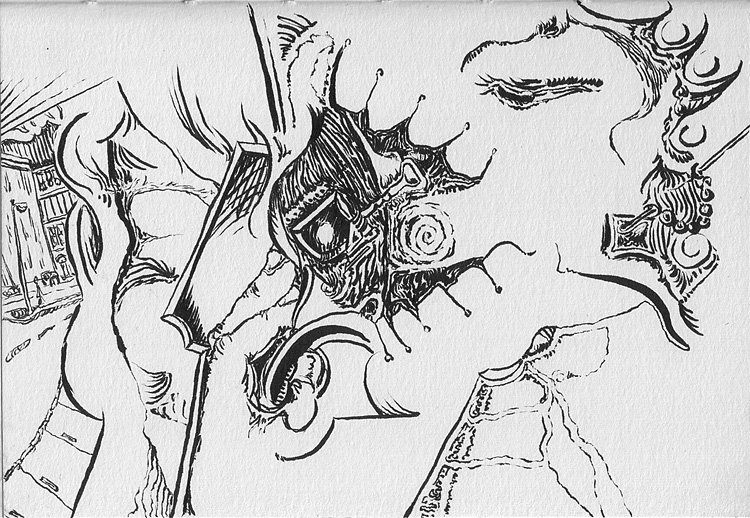
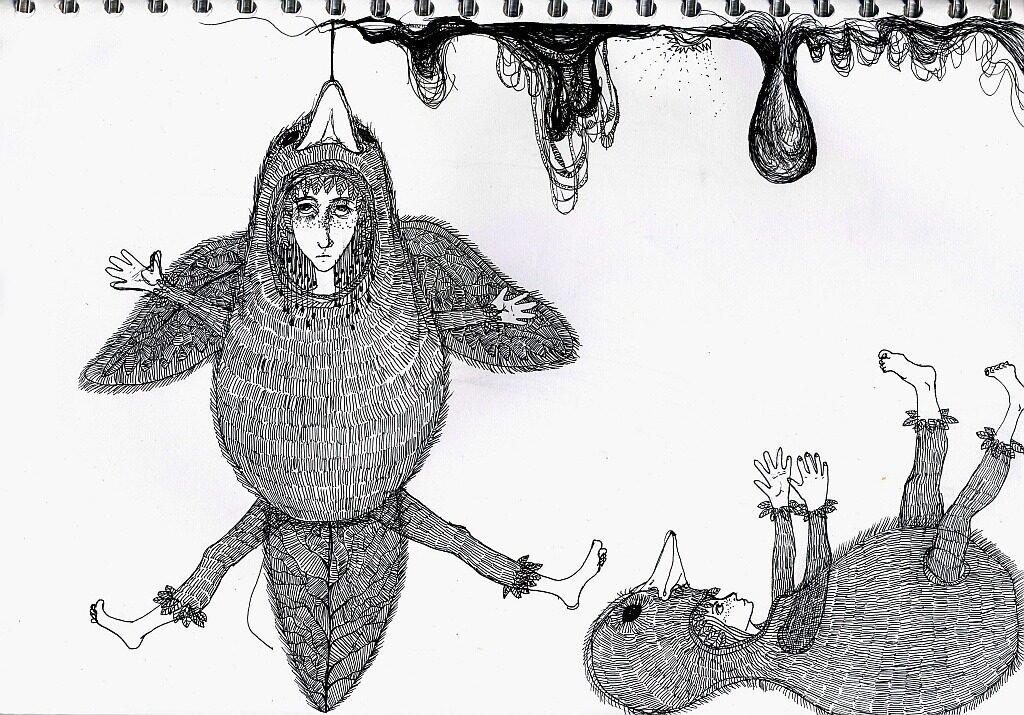
credit: JASONPOGO
The pen you choose influences how you write, draw, or express ideas. A gel pen offers smooth, high-contrast strokes perfect for note-taking, while a fountain pen lends elegance and tradition. Artists might reach for pigment liners for precise line work, while engineers may rely on rollerballs for fluid control.
Picking the right pen isn’t just about ink—it’s about matching design, purpose, and technique to your creative flow.
Ballpoint Pens
Everyday Workhorses with Reliable Performance
Ballpoint pens are easily the most accessible writing instruments on the market—and for good reason. They use a viscous, oil-based ink that dries quickly, resists smudging, and works well on virtually any paper type. Their design incorporates a small rotating metal ball at the tip, which dispenses ink precisely as it moves across the page. This mechanical simplicity makes ballpoints long-lasting and incredibly low-maintenance.
They’re the pen of choice for offices, schools, and casual note-takers due to their durability, convenience, and mess-free writing experience. Whether you’re filling out forms, jotting a shopping list, or outlining a quick sketch, a ballpoint can handle it all with minimal fuss.
Ideal Use Cases for Ballpoint Pens
General Note-Taking and Daily Writing
Ballpoints are a go-to for everyday scribbling. Their steady ink flow ensures your writing stays legible, clean, and consistent—even on rougher paper types. Since they require a bit more pressure than other pens, the writing often feels controlled and deliberate.
Office Work and Professional Tasks
In business settings, reliability matters. Ballpoints are perfect for filling out documents, signing forms, and long meeting notes. Click pens and retractable models offer quick access without worry of leaking in your bag or shirt pocket.
Sketching and Fine Control
Artists often use ballpoint pens for loose sketching, gesture studies, or monochrome drawings. Their responsiveness to pressure creates a wide range of values, and the fine line quality is ideal for hatching or contour work.
Advantages of Ballpoint Pens
- Widely available and budget-friendly, making them an easy addition to any workspace or art kit
- Ink dries quickly, reducing the chance of smudging and making them useful for left-handed users
- Minimal bleed-through, allowing you to write on both sides of regular notebook paper
- Long shelf life, often working for months or years without drying out
Their dependability and straightforward function make them a great first choice for anyone just beginning to explore the world of pens.
Limitations and Things to Consider
- Ink flow is less saturated, meaning less boldness or richness compared to gel or rollerball pens
- Requires more pressure, which can lead to fatigue during long writing sessions
- Not ideal for expressive line variation, shading, or layered color work in artwork
Because of their oil-based formula, ballpoints aren’t suited for wet-on-wet blending or mixed media effects. But in scenarios where clarity and consistency are key, they rarely disappoint.
Gel Pens
Bright, Expressive Writing with a Touch of Style


Gel pens bring bold color and creative flair to everyday writing and artistic expression. Using water-based ink suspended in a gel medium, these pens deliver a highly pigmented flow that glides across the page with minimal pressure. Unlike traditional ballpoints, gel pens are prized for their ability to produce vivid, consistent lines in a wide range of colors and effects—from neon and pastel to shimmer and metallic.
They’re especially favored by students, planners, journalers, and letterers who want clean definition without the weight of a marker.
Best Applications for Gel Pens
Hand Lettering and Decorative Writing
Gel pens are a staple in the hand lettering community. Their vibrant ink and smooth delivery help create fluid script and dynamic block lettering. Brush-style gel pens even mimic calligraphy strokes, while fine tips give you precise control over small flourishes and spacing.
Color-Coding and Organization
Whether you’re annotating a textbook, managing a planner, or outlining blog post ideas, gel pens make it easy to assign consistent colors to categories. Their high contrast stands out on both white and colored paper, helping your notes stay clean and visually engaging.
Artistic Journaling and Creative Tasks
In art journals or visual diaries, gel pens provide detailed embellishments that complement watercolor, colored pencil, or marker layouts. They’re also perfect for layering over dried media or dark-toned paper thanks to their opaque and sometimes light-reflective inks.
Key Advantages and Considerations
- Ink richness: Gel pens offer more saturated color than ballpoint or rollerball inks, which makes them ideal for visibility and emphasis.
- Finish variety: Available in metallics, fluorescents, glitter styles, and soft pastels, they add variety and visual interest without additional tools.
- Smooth control: They require very little pressure, reducing hand fatigue over long writing or art sessions.
- Precision and consistency: Excellent for outlining, dotting, or fine-line writing without unexpected ink skips.
Things to Watch Out For
- Drying time is longer—especially with heavier pigment loads—so allow a few seconds before touching the page.
- Smudging can occur on glossy, coated, or overly smooth paper, particularly if you’re left-handed or working quickly.
- Ink flow can vary slightly between brands or colors—some metallic or pastel variants may dry slower or feel stickier.
If you’re journaling or preserving your work long term, opt for archival, fade-resistant gel pens that are labeled acid-free. These resist yellowing or bleeding and help your creations maintain integrity over time.
Rollerball Pens
Smooth Precision with a Fountain Pen Feel
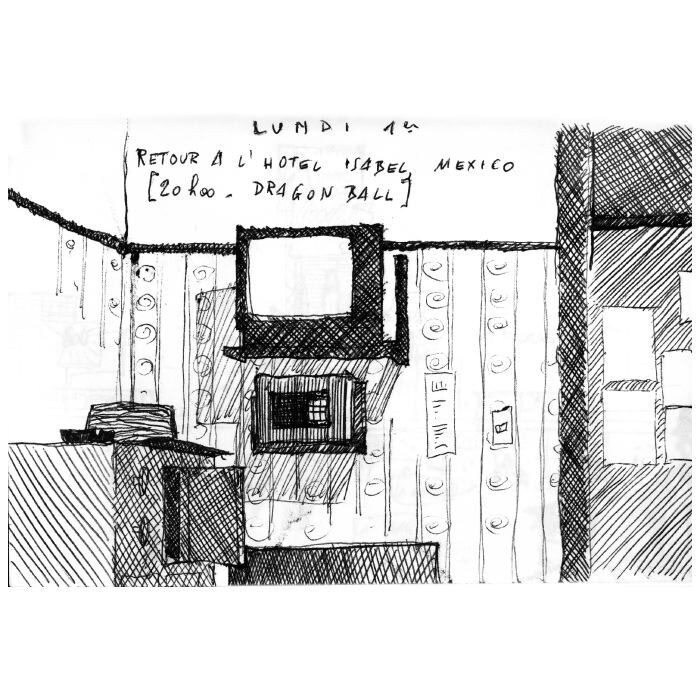
Rollerball pens are often described as the perfect balance between everyday usability and luxurious writing flow. They use a water-based or gel-like ink that flows freely through a rolling ball tip—much like a ballpoint—but with far less resistance. This makes writing feel fluid and soft, which is why many users compare the experience to using a fountain pen, without the maintenance.
Because of their rich ink and elegant lines, rollerball pens are a favorite for tasks where presentation and comfort matter: lengthy writing sessions, journaling, and professional signatures.
Ideal Scenarios for Rollerball Pens
Long-Form Writing and Journaling
With minimal drag and exceptional pigment delivery, rollerballs allow for effortless extended writing. They’re ideal for journal entries, brainstorming notes, essays, or personal letters—anywhere you need to write freely without hand fatigue.
Signature Documents and Professional Correspondence
Rollerballs add a sense of refinement to signatures and business communication. Their fluid ink produces rich lines that appear more polished than a ballpoint’s, making them great for contracts, thank-you notes, and office writing where appearance counts.
Writers and Professionals Seeking Comfort
Since rollerball ink flows with almost no pressure, these pens are especially helpful for people who write frequently or deal with hand strain. The smooth glide reduces effort and allows for more expressive handwriting with less muscle tension.
Advantages of Rollerball Pens
- Dark, consistent lines for a professional, high-impact look without pushing hard on the page
- Less hand fatigue, perfect for long meetings, journaling, or writing by hand all day
- Responsive performance across most standard papers, including notebooks, envelopes, and printing paper
- Accessible elegance, offering fountain-pen-like quality without complex refills or cleaning rituals
Rollerballs are also available in a wide range of tip sizes—from ultra-fine for compact notes to bold points that mimic brush pen flow.
Considerations and Drawbacks
- Bleed-through is more common, especially on thin notebook or printer paper due to the wetter ink
- Ink can smear, particularly for left-handed users or fast-paced writers—choose quick-dry formulas when available
- Cap required: Most rollerballs are not retractable to prevent ink from drying out, so be sure to cap it after each use
To reduce ink spread, pair your rollerball with thicker, smoother paper like high-quality journals, Rhodia pads, or fountain pen-friendly notepads.
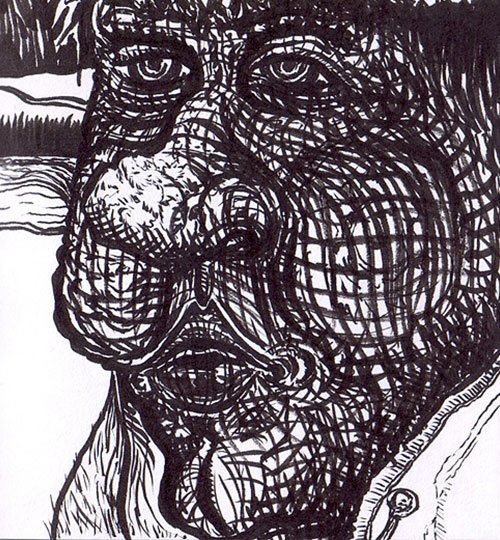
credit: JASONPOGO
Fountain Pens
A Classic Writing Tool with Elegance and Precision
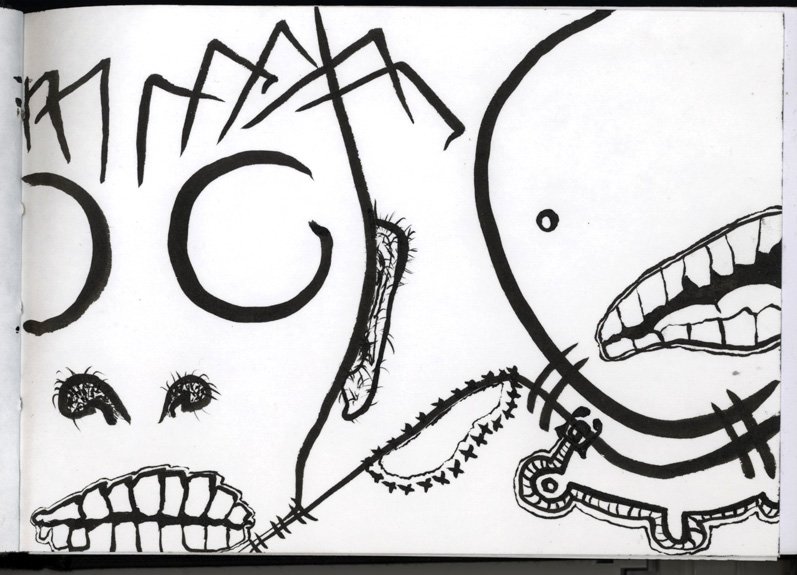
Fountain pens offer a writing experience unlike any other—fluid, expressive, and deeply personal. These pens use capillary action and gravity to deliver ink from a refillable reservoir or cartridge directly to the page through a split metal nib. Unlike pens that rely on pressure, fountain pens reward a light touch, making long writing sessions feel almost effortless.
They’ve stood the test of time not only as a tool for writing, but as a symbol of craftsmanship, personality, and style. Whether you’re journaling, practicing calligraphy, or sketching, a fountain pen invites intention into every stroke.
Ideal Uses for Fountain Pens
Elegant Handwriting and Journaling
With their smooth glide and wide variety of nib styles, fountain pens are ideal for elevating everyday handwriting. Their flow promotes rhythm and natural letter formation, perfect for personal journaling, note-taking, or formal correspondence.
Calligraphy and Artistic Lettering
Artists and letterers gravitate toward fountain pens for their flexibility and line variation. While traditional calligraphy tools use dip pens, modern fountain pens with flex or italic nibs allow for expressive flourishes and consistent ink delivery without constant dipping.
Art Sketching and Inking
Fountain pens are excellent tools for line art and ink drawings. Their consistent flow and customizable inks offer control and variation, while water-soluble inks allow for ink washes and layering. Many urban sketchers use fountain pens for their portability and fluid mark-making.
Benefits of Using Fountain Pens
- Eco-conscious and refillable: Use bottled ink with converters or piston-filling systems to reduce waste compared to disposable pens.
- Custom writing experience: Choose from extra fine to broad nibs, or specialty shapes like stub, italic, or flex to match your style.
- Smooth, gliding motion: A well-tuned nib on quality paper makes writing almost frictionless.
- Wide color range: Bottled inks come in hundreds of hues, finishes, and properties—some shimmer, shade, or shift in light.
Fountain pens also promote proper grip and lighter pressure, helping reduce hand fatigue over time.
Challenges & Considerations
- Regular maintenance is essential. Clean your pen every few weeks (or when changing inks) to prevent clogs or inconsistent flow.
- Higher learning curve compared to ballpoints or gel pens. It takes a little experimentation to find the right nib, ink, and paper combination.
- Ink selection matters: Some inks are not waterproof, and certain papers may feather or bleed if they’re too absorbent.
For beginners, start with a fine or medium nib and a reliable ink like a water-soluble dye. Once you’re comfortable, you can explore permanent inks, shimmering inks, or archival pigments.
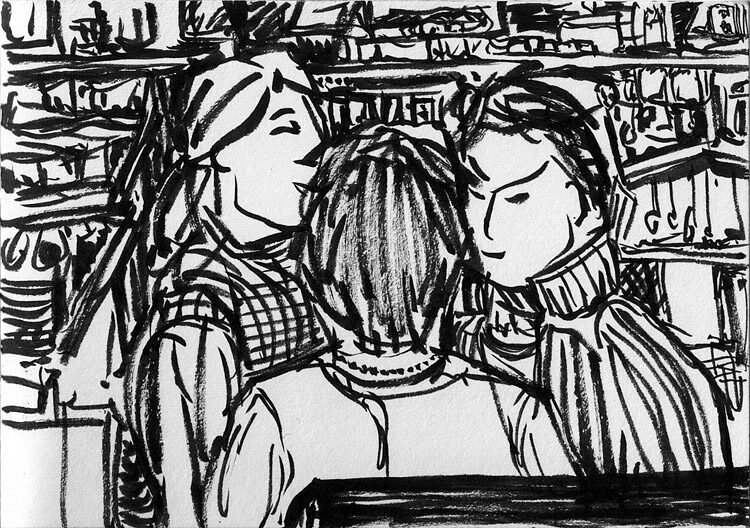
credit: MARIE_LES
Felt Tip & Fineliner Pens
Precision Meets Bold Expression
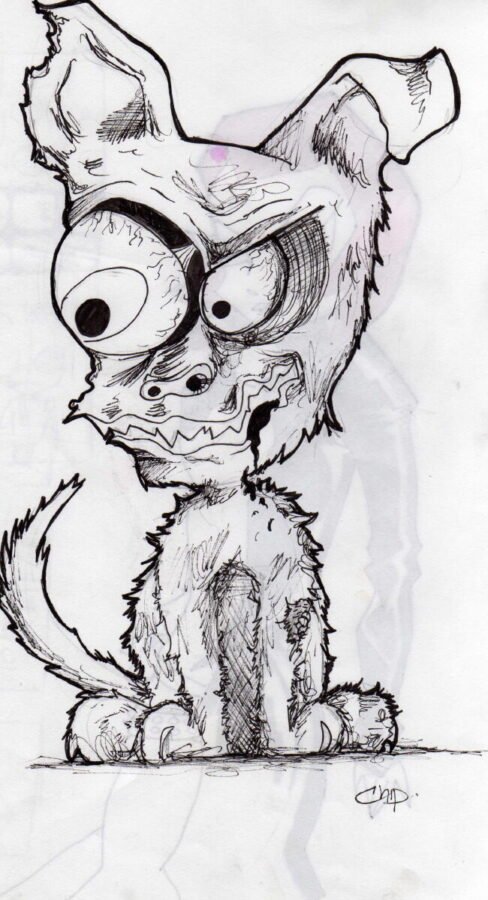
Felt tip and fineliner pens are beloved for their ability to deliver clean, crisp lines with consistent ink flow and intuitive control. Using a porous fiber tip—ranging from needle-thin to thick and expressive—these pens are essential for a range of writing and drawing tasks, from technical diagrams to creative illustration. While fineliners specialize in detailed work, broader felt tips shine in layout design, visual note-taking, and bold headings.
They’re especially useful for creators who want ink that sits precisely on the page without bleeding or pooling.
Where Felt Tip & Fineliner Pens Excel
Technical Drawing and Illustration
Fineliners come in multiple tip widths, such as 0.05mm to 0.8mm, which makes them perfect for precision-dependent tasks. Architects, designers, and illustrators use them for intricate line art, stippling, and hatching techniques that require predictable, pressure-stable strokes. Many professional-grade fineliners use pigment-based ink for permanent, waterproof results—ideal for inking before watercolor or marker rendering.
Bullet Journaling and Layout Sketches
In bullet journals and planning spreads, felt tip pens make headings pop and borders feel structured. They offer a tactile feel that’s smoother and more expressive than a regular ballpoint, making your layouts not just functional, but stylish and easy to navigate.
Diagrams, Doodles, and Sketchnotes
For educators, presenters, or visual thinkers, the clarity of a felt tip allows quick, expressive mark-making. Whether you’re creating mind maps or annotating thumbnails, these pens let you move fast without sacrificing legibility.
Benefits of Felt Tip & Fineliner Pens
- Sharp, defined lines with consistent ink flow—no blobs or skips
- Minimal feathering on smooth, coated paper, ensuring clean margins even under magnification
- Ideal for mixed media, especially when using waterproof pigment ink alongside watercolor, colored pencil, or markers
- Controlled mark-making that responds well to slow or fast drawing speeds
They also come in a range of ink styles—from basic black and gray to full spectrum colors and archival-safe formulations.
Considerations & Usage Tips
- Tip durability: Fiber tips can wear down with heavy pressure or frequent use on textured paper. Rotate the pen as you draw and use a light hand to extend its life.
- Refill options: Many fineliners are disposable, though higher-end brands now offer refillable cartridges and replaceable nibs.
- Ink properties: Always check if your pen is waterproof, bleedproof, or fade-resistant—especially if you’re combining it with paint or markers.
For best results, use fineliners on smooth bristol, marker paper, or mixed media pads to reduce drag and maximize line accuracy.
Techniques to Master with Fine-Liner Pens
Using fine-liner pens effectively requires an understanding of their potential. Here are some techniques to help you get the most out of these versatile tools.
1. Line Variations
Although fine-liner pens have fixed tip sizes, you can achieve variation by adjusting pressure and angle:
- Use light pressure for thinner, more delicate lines.
- Increase pressure slightly for darker, more prominent strokes.
- Layer lines to build up depth and texture.
2. Cross-Hatching and Stippling
Fine-liners excel at creating detailed shading effects like cross-hatching and stippling:
- Cross-Hatching: Layer parallel and crisscrossed lines to build tone and texture.
- Stippling: Use small dots to add shading or intricate patterns.
These techniques are perfect for adding dimension and complexity to your sketches.
3. Outlining and Detailing
Fine-liners are ideal for defining shapes and refining details:
- Outline the main elements of your sketch to create bold focal points.
- Add intricate details like textures, patterns, or highlights for depth and realism.
4. Combining with Other Mediums
Pair fine-liners with watercolors or markers to create striking mixed-media artwork. Their water-resistant ink ensures your lines remain intact when layering with other mediums.
Types of Fine-Liner Tips for Sketching
Fine-liner black ink pens are available in a range of tip sizes, allowing for versatility in your sketches. Here’s a guide to the most commonly used tip sizes:
0.1mm and Below: Ultra-Fine Detail
- Perfect for creating intricate patterns, textures, and fine details.
- Ideal for architectural sketches, technical drawings, or adding subtle accents to larger pieces.
0.3mm to 0.5mm: Versatile Everyday Use
- Suitable for outlining, cross-hatching, and general-purpose sketching.
- Provides a balance between detail and boldness, making it a favorite for most artists.
0.7mm and Above: Bold Accents
- Best for emphasizing outlines and creating strong focal points.
- Works well for stylized sketches or graphic designs with high contrast.
Brand Reputation
Trusted brands like Micron, Staedtler, and Faber-Castell offer high-quality fine-liner pens that are reliable and artist-approved.
Brush Pens
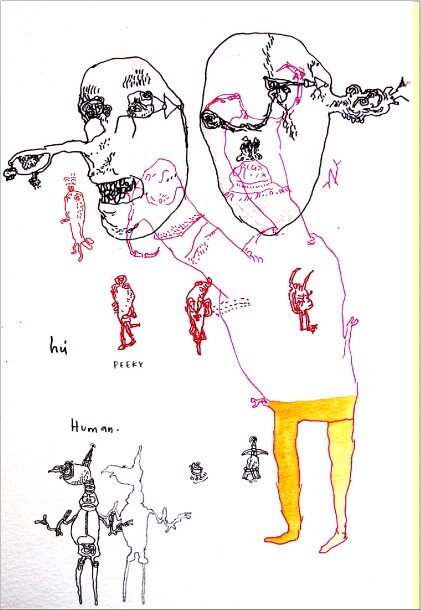
Brush pens bridge the gap between traditional paintbrushes and modern pen convenience. Featuring a flexible nylon or felt tip shaped like a brush, they allow for dynamic strokes that vary in thickness depending on your pressure and angle. They are highly favored by illustrators, calligraphers, and urban sketchers who want expressive linework without the need for water jars or messy cleanups.
Types of Brush Pens for Sketching
Water-Based Brush Pens
Water-based brush pens are perfect for layering, blending, and creating soft gradients. They’re often used in urban sketching, fashion illustration, and watercolor-style drawings. Brands offer dual-tip options with a brush on one end and a fine liner on the other, making them ideal for mixed techniques.
Alcohol-Based Brush Pens
These pens are known for their vibrant, saturated colors and smooth application. They dry quickly and are permanent, making them suitable for comic art, character design, and marker rendering. They work best on marker paper or smooth cardstock to prevent bleeding.
Pigment-Based Brush Pens
Pigment ink offers archival quality and water resistance. These pens are favored for line art, technical drawing, and ink illustrations. They maintain color integrity over time and are less prone to fading.
Brush Pen Techniques
- Line Variation: Light pressure creates fine, hairline strokes, while heavy pressure produces thick, bold sweeps.
- Dry Brush Effects: By lightly dragging the pen across textured paper, you can mimic a dry brush look for an expressive, gritty texture.
- Hatching: The flexible tip allows for organic, flowing hatching patterns when shading.
A Cult Favorite: The Pentel FKP
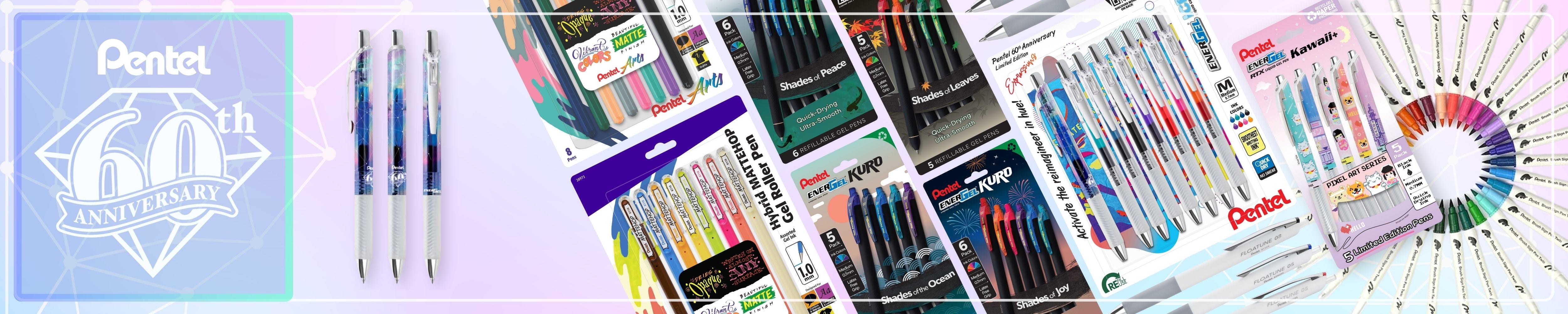
If you are looking for a quintessential brush pen experience, the Pentel FKP from Japan is a global favorite. Built on centuries of Japanese brush-making tradition, it features high-quality nylon bristles that respond intuitively to your hand.
It utilizes a refillable ink cartridge system filled with rich, water-resistant black pigment, making it an eco-friendly and cost-efficient choice. Because the ink is waterproof once dry, the Pentel FKP pairs beautifully with watercolors or colored pencils, making it a powerhouse for mixed-media artists, comic inkers, and calligraphers alike.

Multisystem & Hybrid Pens
Versatility Without Compromise
Multisystem and hybrid pens are a modern solution for creators, professionals, and students who value efficiency, adaptability, and convenience. These pens blend multiple writing technologies or tools into a single body—combining gel, ballpoint, and even stylus tips or highlighters to streamline workflows and minimize clutter.
They’re ideal for multitaskers and mobile creatives who need to switch between writing styles or surfaces quickly, without rummaging through a pencil pouch.
Common Types of Hybrid and Multisystem Pens
Gel-Ballpoint Hybrids
These pens merge the rich pigmentation of gel ink with the quick-drying stability of ballpoint technology. The result is a smoother-than-average pen that flows effortlessly but resists smudging—a favorite among rapid note-takers or students switching between detailed writing and broad highlighting.
Erasable Ink Pens
These use thermosensitive ink that can be “erased” with friction (usually via a rubberized tip). Perfect for bullet journaling, schoolwork, or any scenario where plans may change, erasable ink pens give you the flexibility of pencil with the clean look of pen.
Multi-Tip and Tool Combinations
Pens featuring multiple writing tips—such as dual-colored ink, a built-in highlighter, mechanical pencil, or even a laser pointer—are common in business and presentation settings. Some also include stylus tips for touchscreen navigation or capacitive drawing on tablets.
These designs are compact and travel-friendly, making them great for meetings, on-the-go sketching, or digital-analog hybrid note-taking.
Benefits of Using Hybrid Pens
- All-in-one functionality minimizes the need to carry multiple tools
- Smooth transitions between writing styles or surfaces enhance productivity
- Compact portability ideal for commuting, travel, or remote work setups
- Increased organization: fewer tools to manage, greater control in creative and professional environments

 Sketchbooks.org | TECHNIQUES & PROCESS
Chiaroscuro | The Drama of Light and Shadow
Immerse yourself in the master technique of light and shadow. Discover how to create depth and drama through the bold use of contrast.
Frequently Asked Questions
What’s the difference between ballpoint and rollerball pens?
Ballpoints use oil-based ink and write with more resistance, while rollerballs use water-based ink for smoother flow and darker lines.
Are gel pens waterproof?
Most gel pens are water-resistant but not fully waterproof unless labeled archival or pigment-based.
Can fountain pens be used for everyday writing?
Yes, once you get comfortable with handling and maintenance, they’re excellent for journaling and formal writing.
What kind of paper should I use for fountain pens?
Use smooth, high-quality paper designed to handle wet inks to avoid feathering and bleed-through.
What’s the best pen for drawing line art?
Fineliner pens with archival pigment ink are ideal for crisp, consistent lines and are compatible with other media.
How do I prevent smudging with gel pens?
Allow extra drying time and avoid rubbing the surface immediately after writing—left-handers can use quick-dry formulas.
Are felt tip pens refillable?
Most are not, though some brands offer cartridge-based systems for sustainability.
Can I mix pen types in one project?
Absolutely—use ballpoints for structure, gel pens for color, and fineliners for detail depending on your goals.
Final Thoughts
Getting to know the different types of ink pens and how to start using them effectively empowers you to write, sketch, and create with intention. Whether you lean into the classic charm of a fountain pen, the clean utility of a ballpoint, or the vivid expression of a gel or fineliner, the right tool will align with your creative rhythm and workflow.
As you experiment, you’ll find your preferences evolve. Try a variety of pen types, papers, and applications—and let your hand discover what flows best. Confidence with ink pens comes through use, curiosity, and a willingness to enjoy the tactile elegance of each stroke.
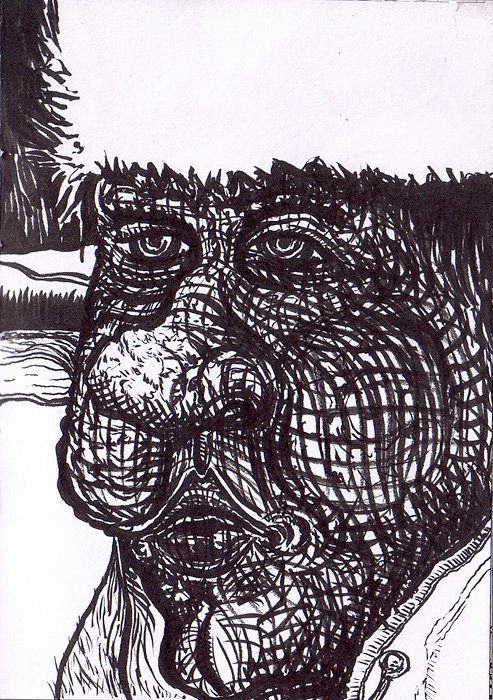
credit: JASONPOGO
Ready to Share Your Work?
Do you set specific goals for your sketchbooks, or are they more freeform?

Lay it down with gusto – make a mark. i n k