
Table of Contents
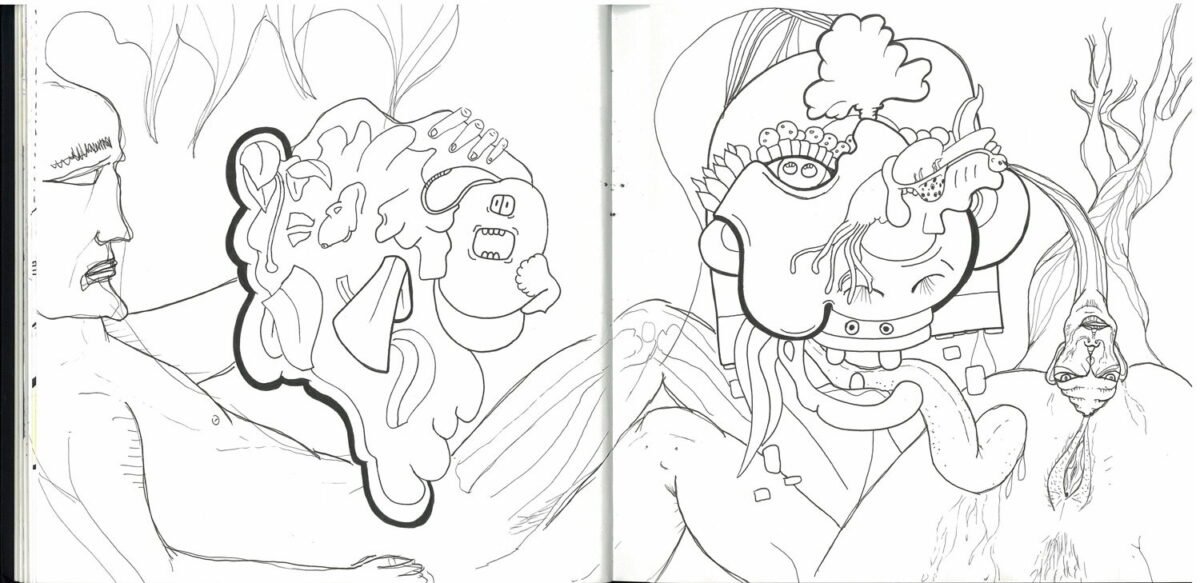
Weird art for weird people is more than a slogan—it’s a manifesto for creative freedom. And nowhere is that freedom more alive than in sketchbooks. These portable, personal canvases are filled with strange ideas, raw emotions, and experimental forms. They’re not polished galleries or curated portfolios. They’re weird pages—chaotic, beautiful, and deeply honest. Sketchbooks are where weird art is born, nurtured, and allowed to be unapologetically itself.
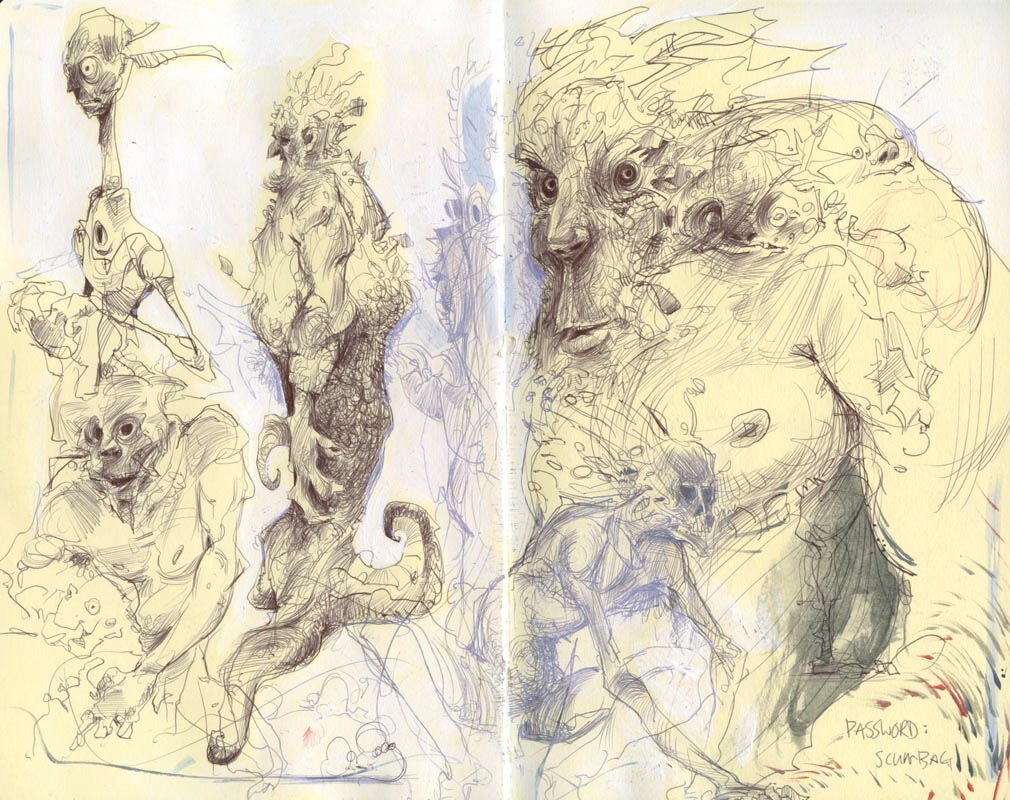
credit: jdryden
What Makes Sketchbooks Weird
Unfiltered Creativity
Sketchbooks are the one place where artists can be completely themselves. There’s no audience, no critique, no pressure to perform.
- Stream of Consciousness: Pages often contain spontaneous doodles, surreal characters, or abstract shapes that defy logic.
- Emotional Rawness: Artists pour their thoughts, fears, and obsessions into these pages without censorship.
- Mixed Media Madness: Ink bleeds into watercolor, graphite collides with collage—anything goes.
Nonlinear Narratives
Unlike finished artworks, sketchbooks don’t follow a clear storyline. They jump from idea to idea, mood to mood.
- Fragmented Thoughts: One page might be a grotesque face, the next a poetic scribble.
- Visual Experiments: Artists test styles, distort anatomy, or sketch dream sequences.
- Personal Symbols: Recurring motifs—eyes, spirals, cryptic text—create a private language.
Famous Weird Artists’ Sketchbooks
Leonardo da Vinci’s Codices



Not just technical blueprints, his sketchbooks are filled with bizarre flying machines, anatomical dissections, and surreal hybrids of animals and humans. They read like a collision of science and dream.
Frida Kahlo’s Personal Journals
Her sketchbooks are emotional landscapes—raw self-portraits, surreal symbolism, and cryptic notes. They blur the line between diary and artwork, often unsettling yet deeply intimate.
Vincent van Gogh’s Rough Studies
Chaotic, restless, and full of energy, his sketchbooks capture swirling lines, distorted figures, and obsessive repetitions. They feel like a direct transmission of his turbulent mind.
Salvador Dalí’s Dream Pages
Dalí’s sketchbooks are portals into surrealism—melting forms, impossible architecture, and strange creatures. They embody the weirdness of subconscious thought made visible.
Jean-Michel Basquiat’s Notebooks
Explosive, layered, and cryptic, his sketchbooks combine graffiti-like text, symbols, and distorted figures. They are raw, urban, and unapologetically weird.
Yayoi Kusama’s Polka-Dot Diaries
Her sketchbooks obsessively repeat dots, nets, and infinite patterns. They are hypnotic, strange, and deeply personal, reflecting her unique vision of infinity.
Henry Darger’s Epic Volumes
Filled with fantastical childlike figures, violent battles, and surreal landscapes, his sketchbooks are both unsettling and mesmerizing, a private universe of weird art.
Francis Bacon’s Studies
Distorted anatomy, grotesque faces, and fragmented forms dominate his sketchbooks. They are haunting explorations of the human condition.
David Lynch’s Sketch Journals
Known for his films, Lynch’s sketchbooks are equally weird—dark doodles, surreal characters, and unsettling dream imagery. They feel like storyboards for nightmares.
Louise Bourgeois’ Sketch Diaries
Her sketchbooks are intimate explorations of memory, trauma, and the body. Strange forms, spider-like figures, and cryptic notes make them deeply weird and personal.
Why These Sketchbooks Are Weird
- They reject polish and embrace rawness.
- They mix text and image in unpredictable ways.
- They obsess over symbols and motifs that feel personal yet universal.
- They blur boundaries between diary, experiment, and finished art.
Why Weird People Love Sketchbooks
A Safe Space for the Strange
Weird people—those who feel outside the norm—find sketchbooks to be a refuge.
- No Judgment: Sketchbooks don’t care if your art is “good.”
- Identity Exploration: Pages become mirrors for self-discovery and transformation.
- Creative Therapy: Drawing weird things can be cathartic, healing, and empowering.
Portable Weirdness
Sketchbooks go wherever you go. They’re mobile laboratories for weird ideas.
- On-the-Go Inspiration: Capture odd moments, overheard phrases, or bizarre dreams.
- Spontaneous Creation: Weird art thrives on impulse—sketchbooks make that possible.
- Private Archives: They hold years of strange thoughts, evolving styles, and personal growth.
Common Themes in Weird Sketchbook Art
Surrealism and Dream Logic
Sketchbooks often feature melting objects, floating limbs, or impossible landscapes.
- Distorted Reality: Artists bend space and time to reflect inner worlds.
- Symbolic Imagery: Eyes, hands, and animals often carry hidden meanings.
Grotesque and Beautiful
Weird art embraces the ugly, the awkward, and the uncanny.
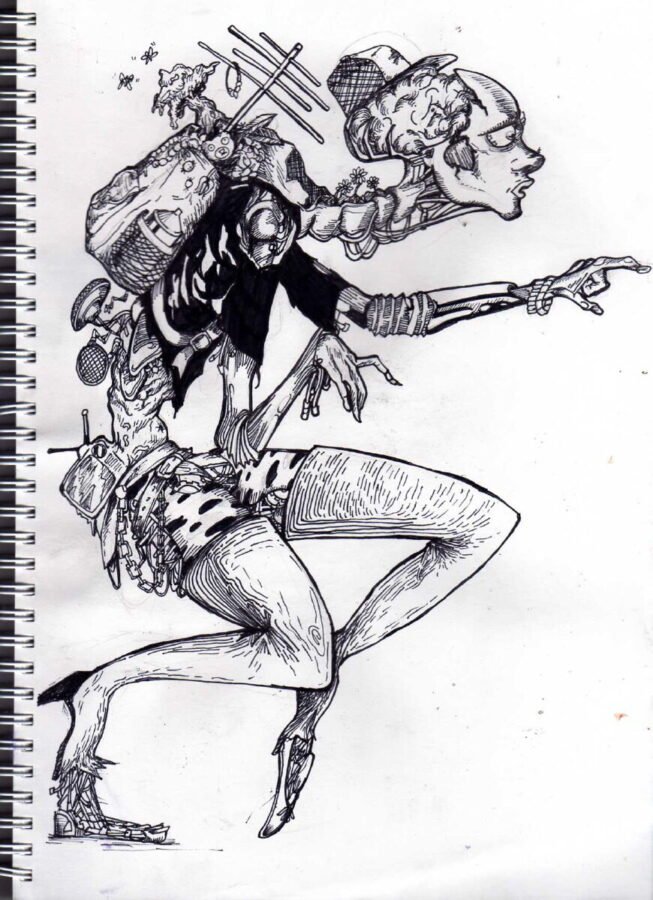
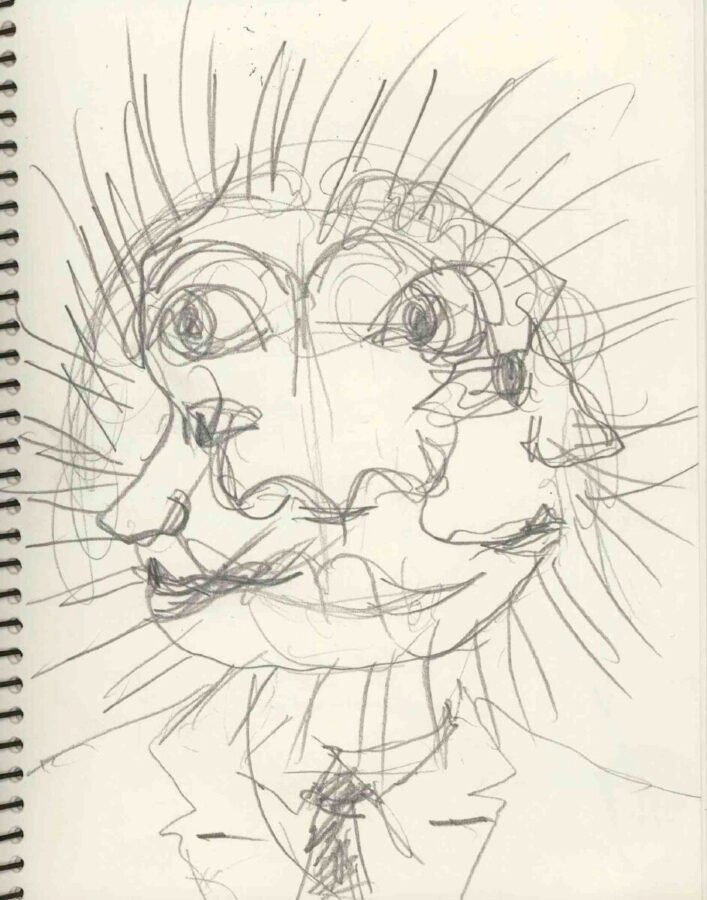
- Exaggerated Features: Faces with too many eyes, limbs that twist unnaturally.
- Emotional Contrast: Beauty and horror coexist on the same page.
Humor and Absurdity
Weird sketchbooks are full of jokes, puns, and visual nonsense.
- Playful Chaos: Scribbles that make no sense but feel right.
- Satirical Commentary: Weird art often mocks norms, trends, or institutions.
Techniques That Amplify the Weird
Layering and Overdrawing
Artists often draw over old sketches, creating ghostly textures and visual noise.
- Depth Through Chaos: Layers add complexity and mystery.
- Evolution on Paper: One idea morphs into another, leaving traces behind.
Mixed Media Collage
Tape, newspaper, thread, and found objects turn sketchbooks into tactile experiences.
- Unexpected Materials: Anything can be glued, stitched, or embedded.
- Textural Weirdness: Rough, torn, or uneven surfaces add character.
Freeform Writing
Weird sketchbooks often include handwritten notes, poems, or cryptic messages.
- Stream-of-Consciousness Text: Words spill out without grammar or structure.
- Visual Poetry: Text becomes part of the composition, not just commentary.
How to Start Your Own Weird Sketchbook
Forget Perfection
Weird sketchbooks thrive on imperfection. Smudges, mistakes, and awkward drawings are part of the charm.
Follow Your Obsessions
Draw what fascinates you—no matter how strange. Mushrooms, teeth, alien cats—go for it.
Mix It Up
Use different tools, styles, and materials. Let your pages surprise you.
Make It Personal
Include dreams, memories, or inside jokes. Your sketchbook should feel like your brain on paper.
 Sketchbooks.org | SITE NEWS
Call for Submissions · Travel Sketchers Wanted
Share your global perspectives with us. Explore the chance to have your travel sketches featured in our international collection of visual journals.
Frequently Asked Questions
What makes a sketchbook “weird”?
A weird sketchbook is filled with unconventional, personal, and experimental art that defies norms.
Do I need to be a skilled artist to make weird art?
No—authenticity and expression matter more than technical skill.
Can I use words in my sketchbook?
Absolutely—text adds depth, emotion, and context to your visuals.
What materials work best for weird sketchbooks?
Anything goes—pens, markers, collage, thread, even coffee stains.
Should I show my weird sketchbook to others?
Only if you want to—some artists keep them private, others share them proudly.
How do I overcome fear of judgment?
Remember: sketchbooks are personal spaces. They’re for you, not for approval.
Can weird sketchbooks help with mental health?
Yes—many artists use them as emotional outlets and tools for self-reflection.
Is weird art a recognized genre?
It’s not formalized, but it’s embraced in outsider art, surrealism, and experimental circles.
How do I keep my sketchbook weird and fresh?
Keep exploring new ideas, materials, and moods. Let your curiosity lead.
Can digital sketchbooks be weird too?
Definitely—digital tools offer endless possibilities for strange and layered creations.
Final Thoughts
Weird art for weird people thrives in sketchbooks because sketchbooks are weird pages. They’re messy, nonlinear, and deeply personal. They hold the strange, the beautiful, the grotesque, and the hilarious—all without judgment. If you’ve ever felt like your art doesn’t fit in, or your ideas are too strange for the gallery wall, your sketchbook is waiting. Fill it with your weirdness. Let it be your sanctuary, your playground, your archive of the beautifully bizarre.
credit: mawltea
Ready to Share Your Work?
What is your favorite part about the sketchbook process?