
Graphite is one of the most versatile, expressive, and accessible drawing materials in the world. Whether you’re a beginner filling your first sketchbook or an experienced artist exploring new textures, graphite offers a full spectrum of possibilities. From traditional wooden pencils to thick graphite sticks, powdered graphite, mechanical leads, and water‑soluble varieties, each form brings its own character, mark‑making potential, and creative advantages.
This guide explores the many forms of graphite, how they differ, and how to use them effectively in your sketchbook practice. It’s designed to help you understand the full range of graphite tools available so you can choose the right one for your style, technique, and artistic goals.
11/12
Sketch Challenge Submission
Challenge: Graphite Comes in Many Forms | Pencils Powers Sticks
Submissions: 11/12
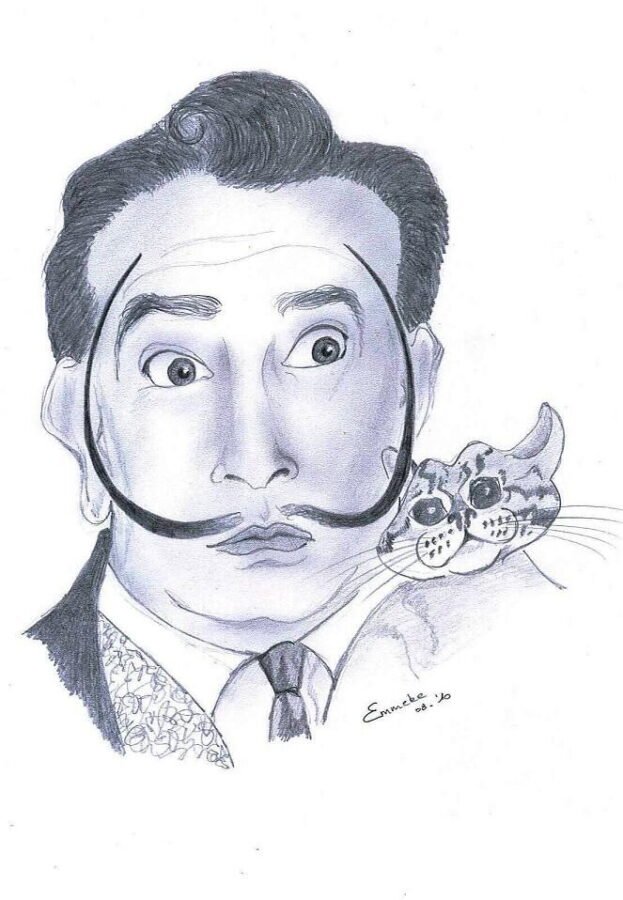

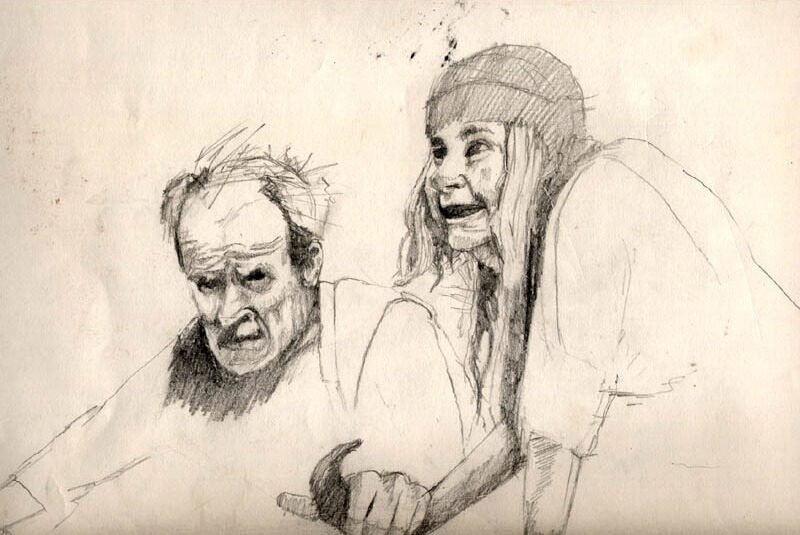
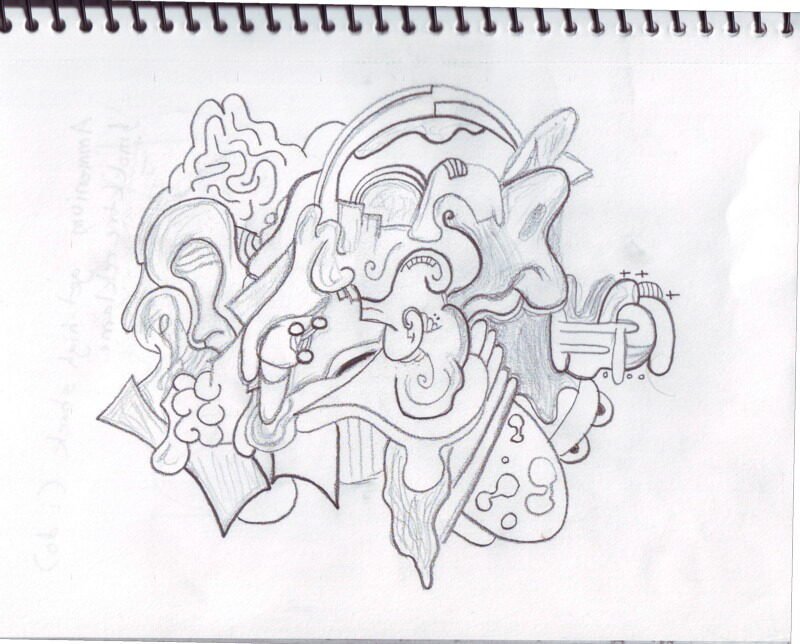
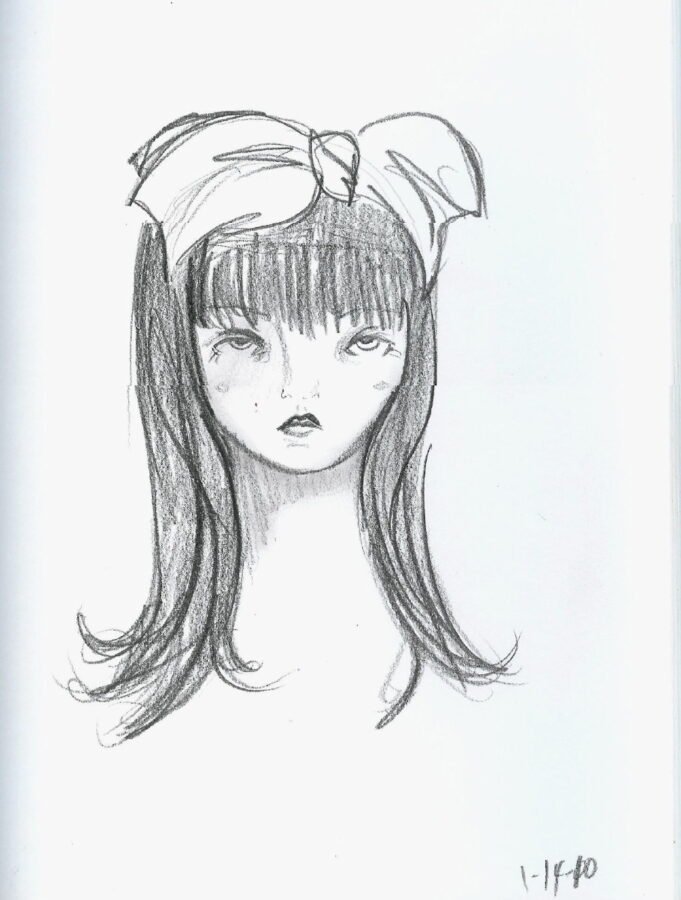

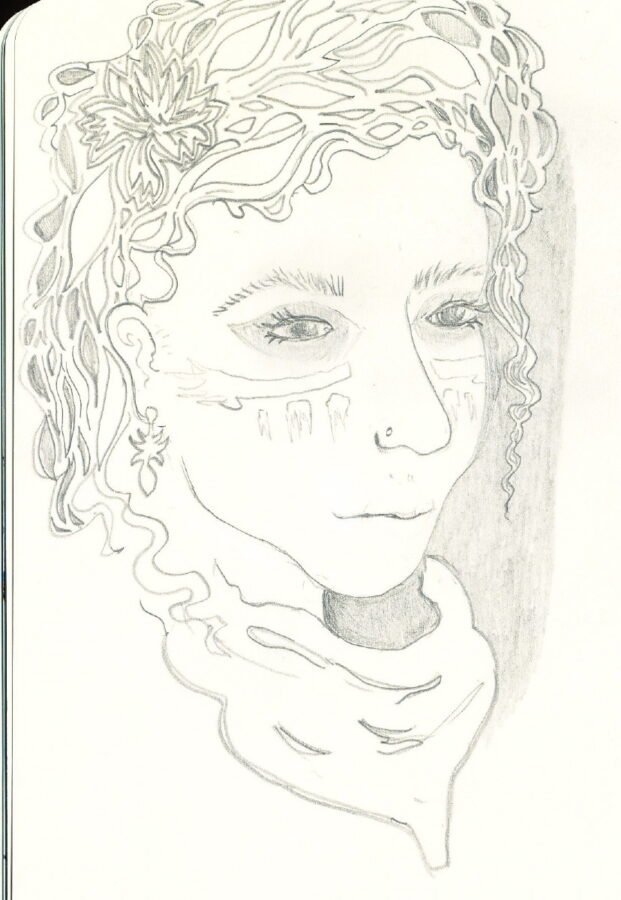
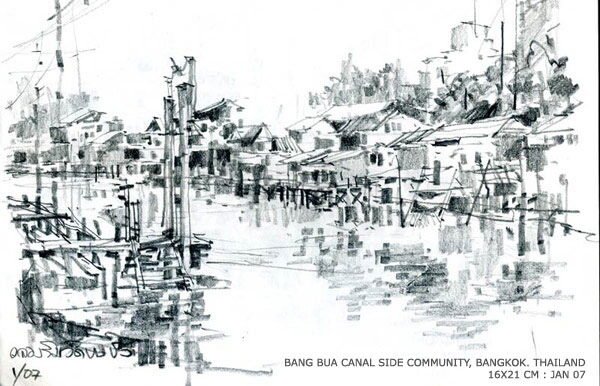
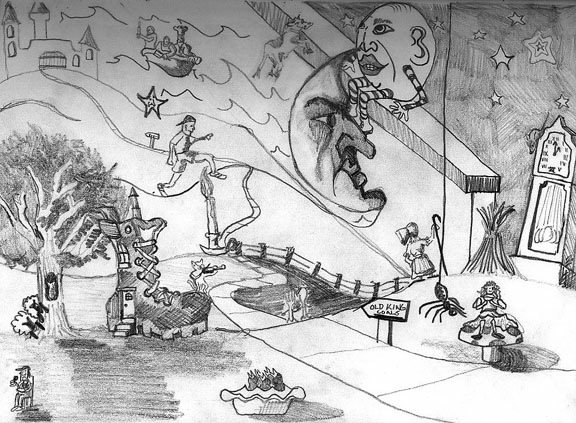
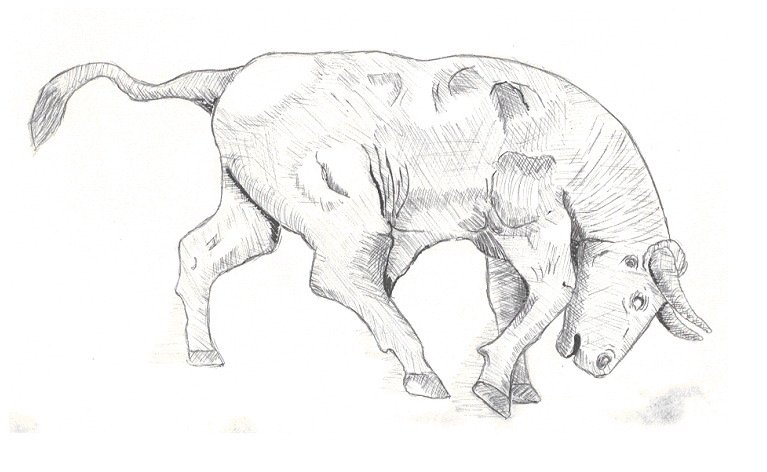
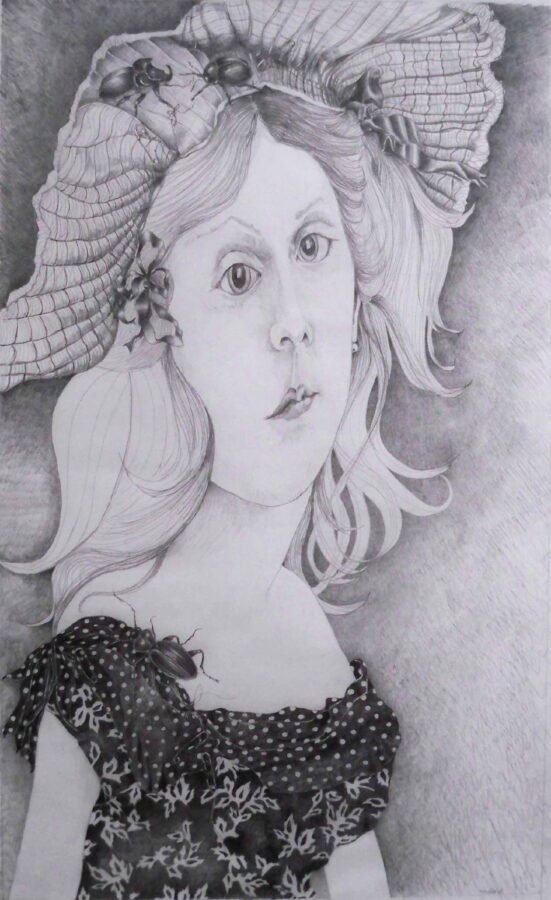
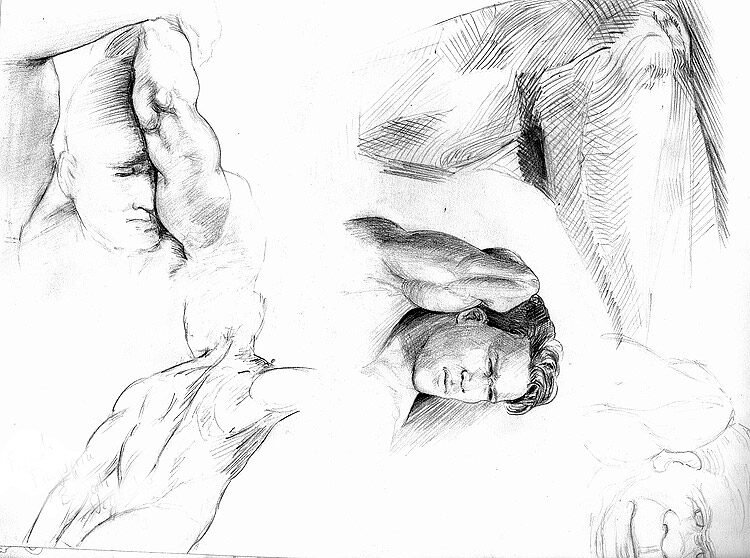
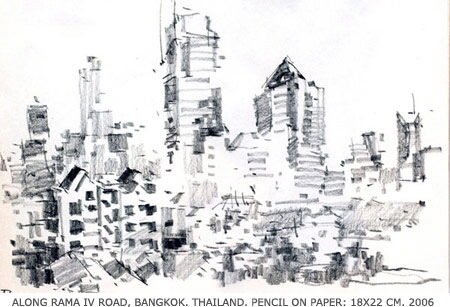
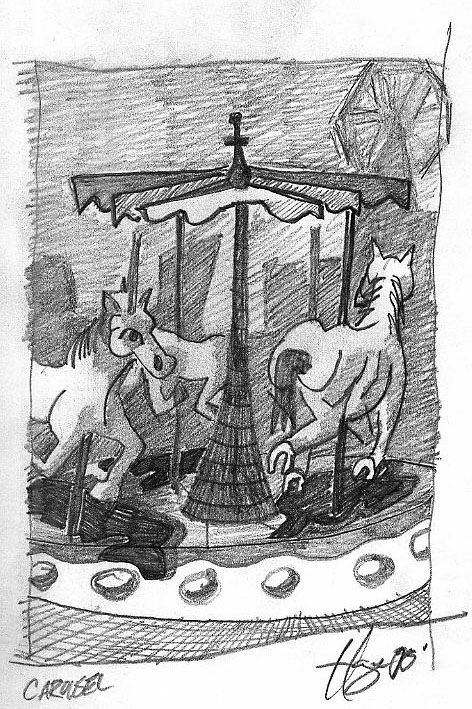
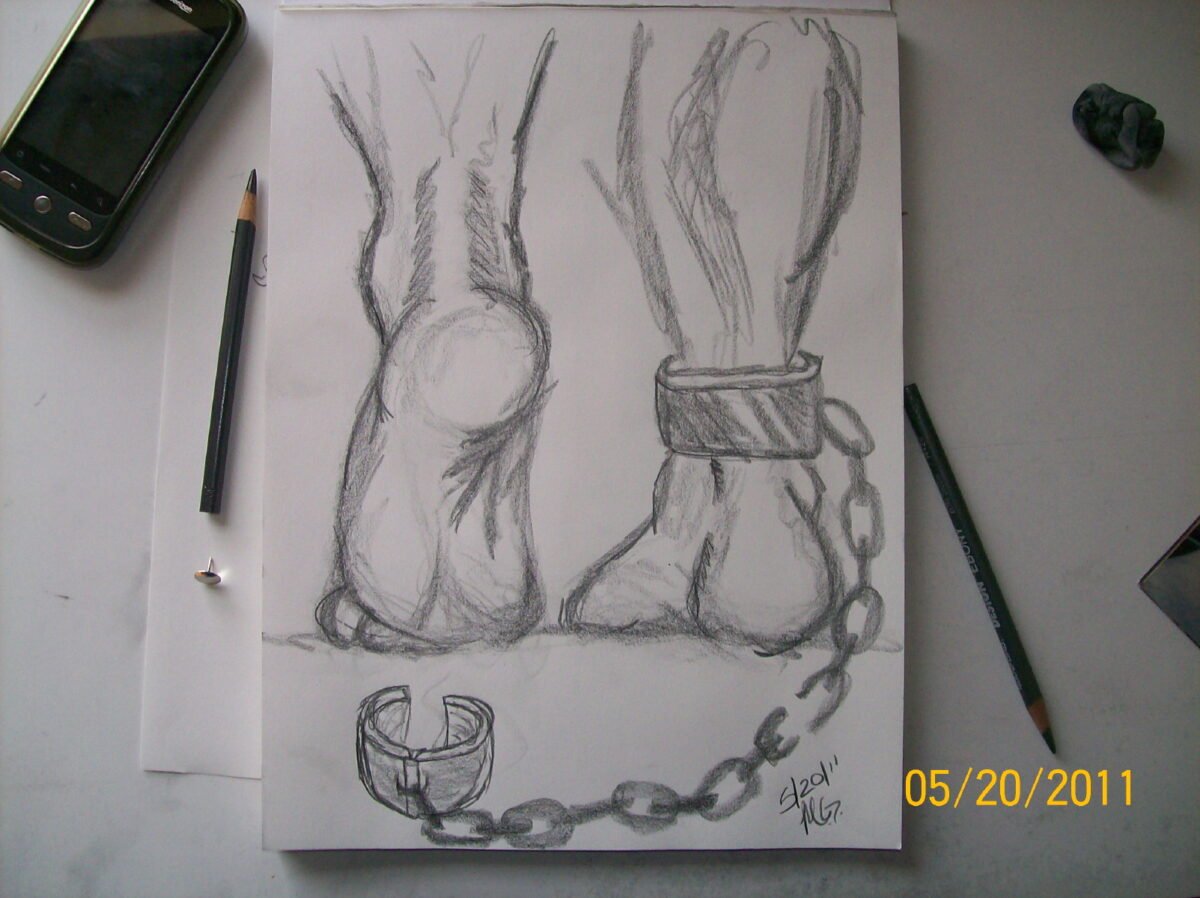
To participate in the challenge!
Why Graphite Is Essential for Artists
Graphite is beloved for its control, subtlety, and expressive range. It can create everything from delicate whisper‑soft lines to bold, dramatic strokes. It’s clean, portable, erasable, and endlessly adaptable—making it a foundational medium for sketching, shading, and developing ideas.
Key Benefits of Graphite
- Wide tonal range from light gray to deep black
- Works for quick sketches or detailed rendering
- Easy to blend, erase, and layer
- Affordable and widely available
- Suitable for beginners and professionals alike
Graphite’s flexibility is what makes it indispensable in every artist’s toolkit.
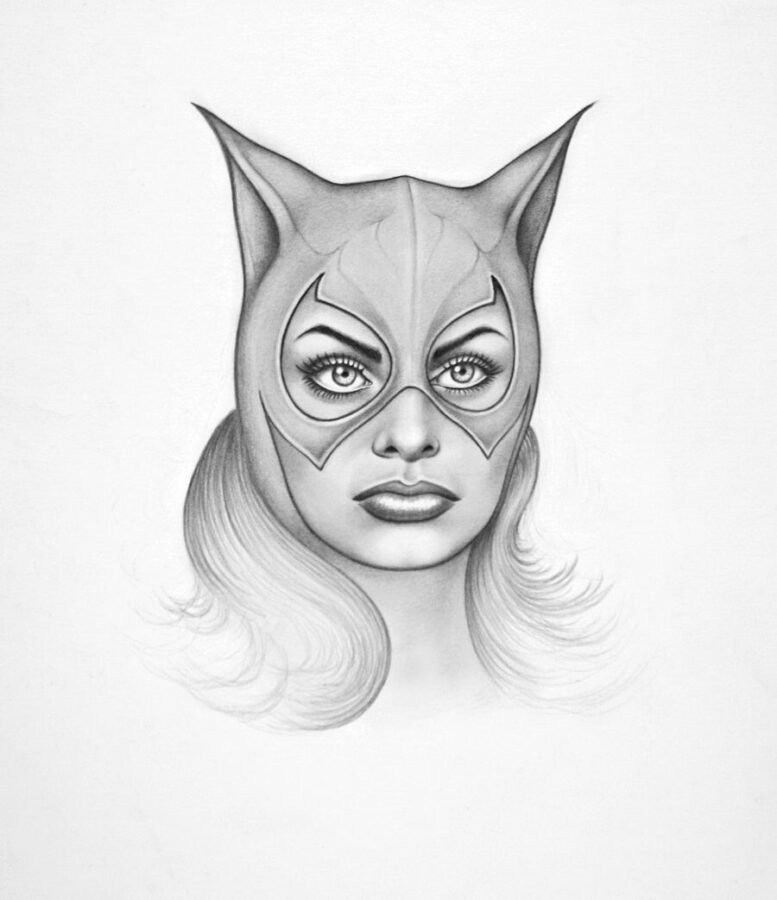
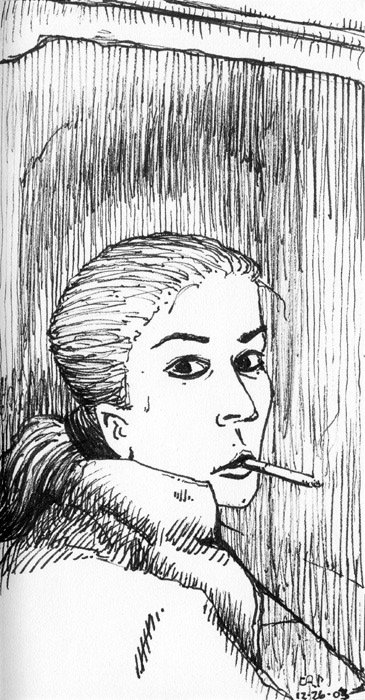
credit: PHILIPDEANGRAY
Understanding Graphite Grades: From Hard to Soft
Before exploring the different forms of graphite, it helps to understand the grading system. Graphite pencils are labeled with a combination of letters and numbers that indicate hardness and darkness.
Hard Grades (H–9H)
- Produce light, crisp lines
- Great for technical drawing, fine details, and under‑sketching
- Less smudging
Medium Grades (HB–B)
- Balanced for everyday sketching
- Good for outlines, shading, and general drawing
Soft Grades (2B–10B)
- Dark, rich tones
- Ideal for expressive shading, gesture drawing, and bold marks
- Smudge easily and blend beautifully
Understanding these grades helps you choose the right graphite for your desired effect.
Wood‑Cased Graphite Pencils: The Classic Tool
Traditional wooden pencils are the most familiar form of graphite. They’re reliable, easy to sharpen, and come in a full range of grades.
Why Artists Love Them
- Precise control
- Clean, consistent lines
- Great for sketchbooks and detailed work
Best Uses
- Line drawing
- Light shading
- Structural sketches
- Everyday practice
Wood‑cased pencils are the backbone of graphite drawing and a perfect starting point for any artist.
Mechanical Pencils: Precision and Consistency



Mechanical pencils offer a different kind of control. They maintain a constant line width and never need sharpening, making them ideal for fine details and technical work.
Advantages
- Perfect for tiny details
- Great for clean linework
- Leads available in multiple grades
Common Lead Sizes
- 0.3 mm – ultra‑fine detail
- 0.5 mm – standard sketching
- 0.7 mm – slightly bolder lines
- 2 mm clutch pencils – versatile and expressive
Mechanical pencils are excellent for artists who value precision and consistency.
Graphite Sticks: Bold, Expressive, and Freeing
Graphite sticks (also called graphite blocks) are thick, solid pieces of graphite that allow for broad strokes and loose, energetic sketching.
Why Use Graphite Sticks
- Cover large areas quickly
- Create bold, painterly marks
- Perfect for gesture drawing and expressive shading
Techniques to Try
- Side shading for wide tonal areas
- Edge drawing for sharp lines
- Layering soft grades for rich blacks
Graphite sticks encourage freedom and movement, making them ideal for warm‑ups and dynamic sketchbook pages.
Woodless Graphite Pencils: Pure Graphite in Pencil Form
Woodless pencils are essentially graphite sticks wrapped in a thin lacquer coating. They offer the feel of a pencil with the coverage of a stick.
Benefits
- Full‑body shading
- Smooth, uninterrupted strokes
- Long‑lasting and economical
These are excellent for artists who want the versatility of graphite sticks with the control of a pencil.
Powdered Graphite: Soft, Atmospheric, and Unique
Powdered graphite is a lesser‑known but powerful form of graphite. It creates soft gradients, atmospheric effects, and smooth tonal transitions.
How to Use It
- Apply with a brush, tissue, or cotton pad
- Build backgrounds and soft shadows
- Combine with pencil lines for mixed‑texture drawings
Powdered graphite is perfect for artists who enjoy blending and creating subtle, moody tones.
Water‑Soluble Graphite: The Best of Both Worlds
Water‑soluble graphite behaves like traditional graphite when dry but transforms into ink‑like washes when activated with water.
Advantages
- Create washes and gradients
- Combine line and watercolor‑style effects
- Great for travel sketching
This form of graphite adds a painterly dimension to your sketchbook.
Choosing the Right Graphite for Your Style
Different forms of graphite suit different artistic approaches. Here’s how to match your tools to your goals.
For Detailed Work
- Mechanical pencils
- Hard‑grade wooden pencils
- 2 mm clutch pencils
For Expressive Sketching
- Graphite sticks
- Woodless pencils
- Soft grades (4B–10B)
For Shading and Atmosphere
- Powdered graphite
- Water‑soluble graphite
- Soft woodless pencils
For Everyday Sketchbook Use
- HB–2B pencils
- Mechanical pencils
- Woodless pencils
Experimenting with multiple forms helps you discover new textures and techniques.
Tips for Working With Graphite
Use the Whole Pencil
Rotate your pencil to keep the tip sharp and lines consistent.
Blend Thoughtfully
Use blending stumps, tissues, or brushes for smooth transitions—but avoid over‑blending.
Layer Gradually
Build tones slowly to maintain control and avoid muddy areas.
Keep a Scrap Page Nearby
Test pressure, shading, and line weight before committing to your sketchbook page.
Protect Your Pages
Graphite smudges easily—use interleaving sheets or fixative if needed.
 Sketchbooks.org | MODERN AESTHETICS
Metallic Markers on Dark Paper | Creating Metallic Art
Metallic markers on dark paper create a kind of quiet radiance that feels almost ceremonial—lines that glow, shapes that shimmer, and pages that seem to hold their own internal light. When gold, silver, and copper...
Frequently Asked Questions
What’s the difference between graphite pencils and charcoal?
Graphite is smoother and shinier, while charcoal is matte and more textured.
Are graphite sticks messy?
They can be, but they offer expressive marks that are worth the extra care.
Can I blend graphite with my fingers?
Yes, but it can leave oils on the paper; blending tools are cleaner.
Is water‑soluble graphite the same as watercolor?
No, but it behaves similarly when activated with water.
Which graphite grade is best for beginners?
HB, B, and 2B are great starting points.
Do mechanical pencils come in different graphite grades?
Yes, many brands offer leads from H to 2B.
Can powdered graphite be used in sketchbooks?
Yes, but use lightly and seal if needed to prevent smudging.
Are woodless pencils better than regular pencils?
Neither is “better”—they simply offer different handling and coverage.
Final Thoughts
Graphite truly comes in many forms—from pencils to sticks, powders to water‑soluble blocks—and each one expands what’s possible in your sketchbook. By exploring the full range of graphite tools, you unlock new textures, tones, and expressive possibilities. Whether you prefer precise mechanical lines, bold graphite stick gestures, or soft atmospheric shading, graphite adapts to your style and grows with your artistic journey. With its versatility, affordability, and timeless appeal, graphite remains one of the most essential and rewarding mediums for artists of all levels.
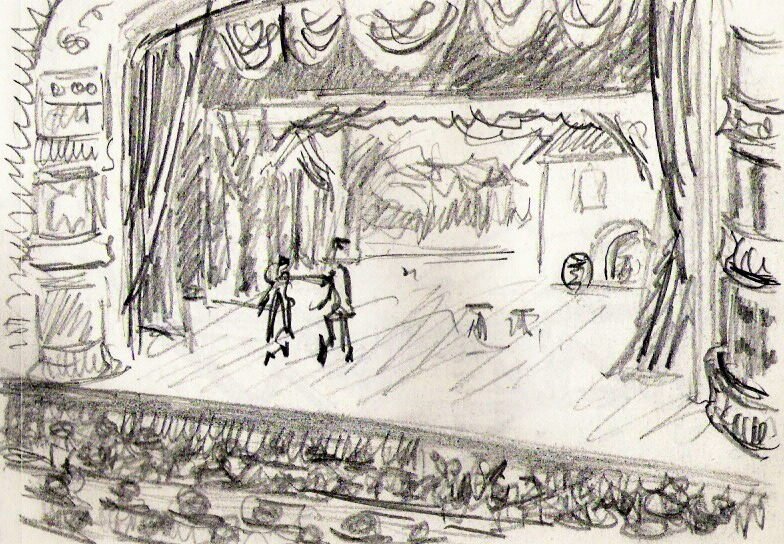
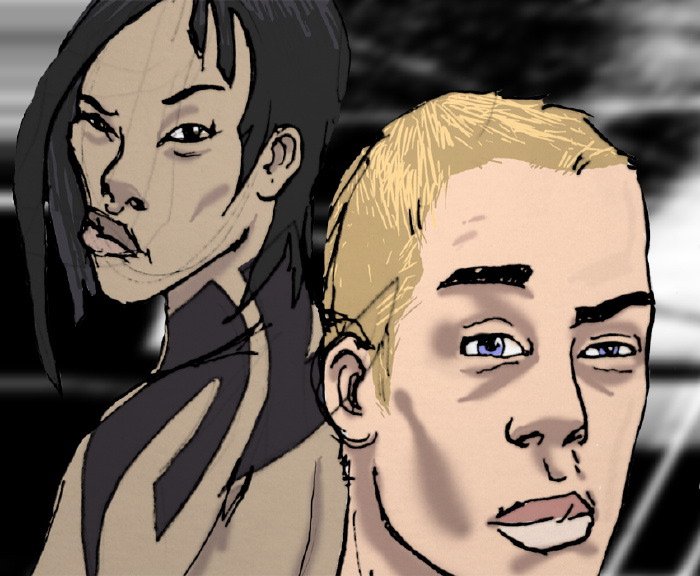
credit: SANTIAGORIOS
Ready to Share Your Work?
Do you set specific goals for your sketchbooks, or are they more freeform?

Oh what would we do without graphite!
SMOOOOOOOOTH
graphite is king