Table of Contents
Selecting the best graphite tools for sketching can greatly impact the quality, depth, and versatility of your artwork. Whether you’re working on fine detail studies, expressive shading, or bold linework, different forms of graphite offer unique textures and tones.
Graphite is one of the most expressive and accessible drawing materials in the world. It can create everything from delicate, whisper-soft lines to dramatic, velvety blacks. In this guide, we explore the different forms of graphite, their best uses, and how to choose the right tools to elevate your sketchbook practice.
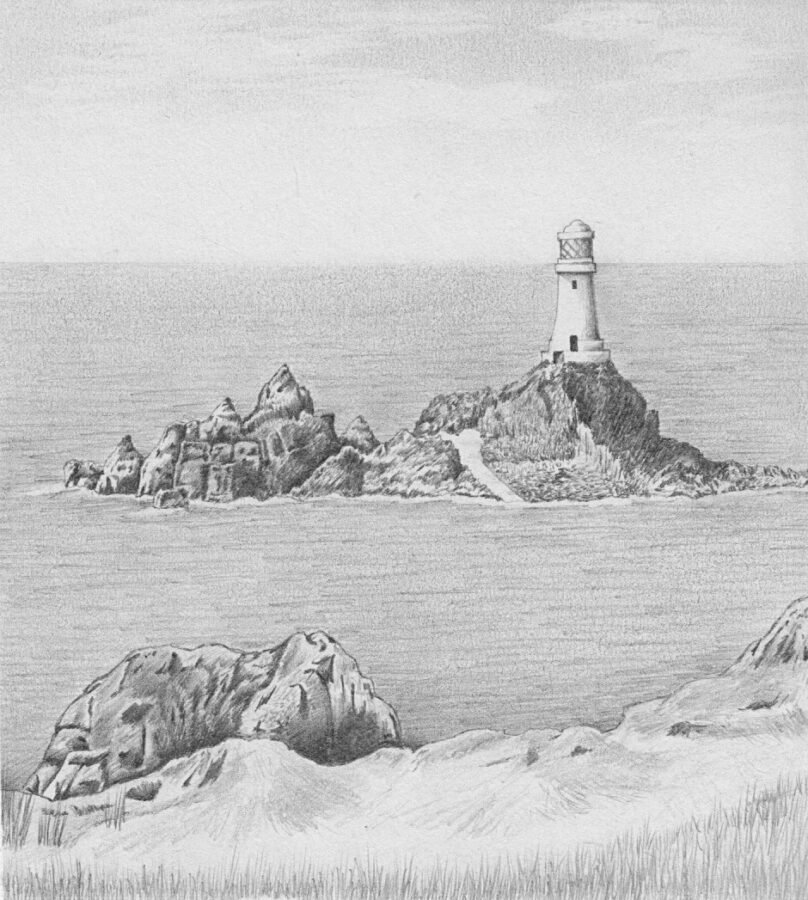
credit: philipdeangray
The Graphite Hardness Scale Explained
Before exploring the different forms of graphite, it helps to understand the grading system. Graphite is categorized by a scale that measures hardness (H) and blackness (B), offering artists a nuanced toolkit for line control and tonal variation.
- Hard Grades (H to 9H): These indicate harder leads that produce lighter, more precise lines. They are ideal for technical drawing, layout planning, fine details, and under-sketching because they rarely smudge.
- Soft Grades (B to 9B): These represent softer leads that yield darker, richer marks. They are perfect for expressive shading, gesture work, and building tonal depth. Because they are soft, they smudge easily and blend beautifully.
- Medium Grades (HB and F): Sitting right in the middle, these offer a balanced mix of moderate darkness and firmness. They are the go-to choice for everyday sketching and outlines.
Understanding this scale allows you to select the exact right tool for the task—whether you’re sketching crisp architectural forms or layering soft shadows in a portrait.
Wood-Cased Graphite Pencils: The Classic Tool



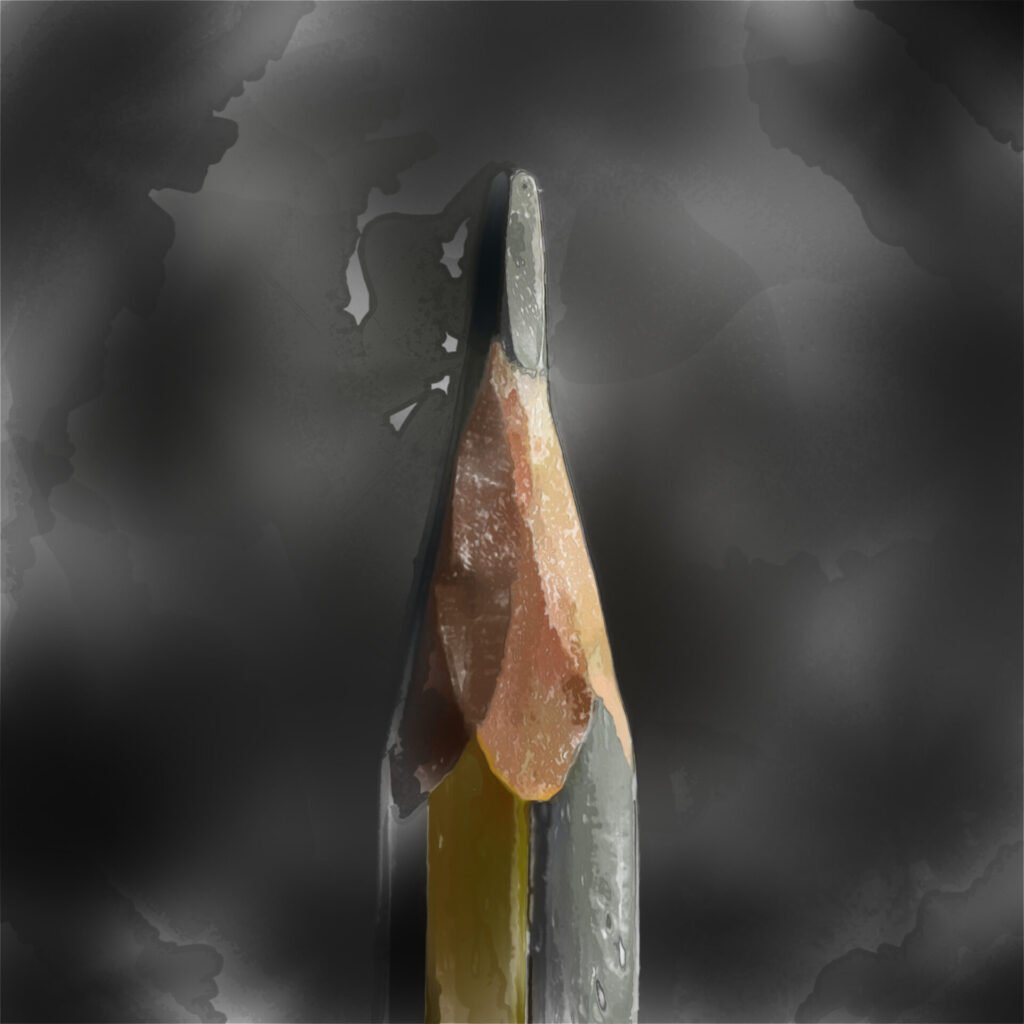
Traditional wooden pencils are the quiet powerhouses of the sketching world. They are the most familiar form of graphite, reliable, easy to sharpen, and available in the full spectrum of grades.
This flexibility makes them ideal for realistic renderings, figure studies, and structured compositions where control and subtlety matter. With just a shift in pressure or angle, a traditional graphite pencil can suggest volume, texture, and emotion.
Best Uses:
- Line drawing and structural sketches
- Light shading and fine details (using H grades)
- Deep contrast sketches and blending (using B grades)
- Everyday sketchbook practice
Mechanical Pencils: Precision and Consistency
 Sketchbooks.org | RESEARCH HUB:
Mechanical Pencils Sketch Examples
Visual research is critical for any creative endeavor. We have compiled specialized links to lead you directly to images, videos, and inspiration for "Mechanical Pencils Sketch Examples" across the web's best visual search platforms.
Mechanical pencils deliver sharp, clean lines with consistent precision, making them indispensable for artists who prioritize control and clarity. Unlike wooden pencils, mechanical pencils don’t require sharpening—the lead is advanced through a push-button mechanism, maintaining a consistent point throughout use.
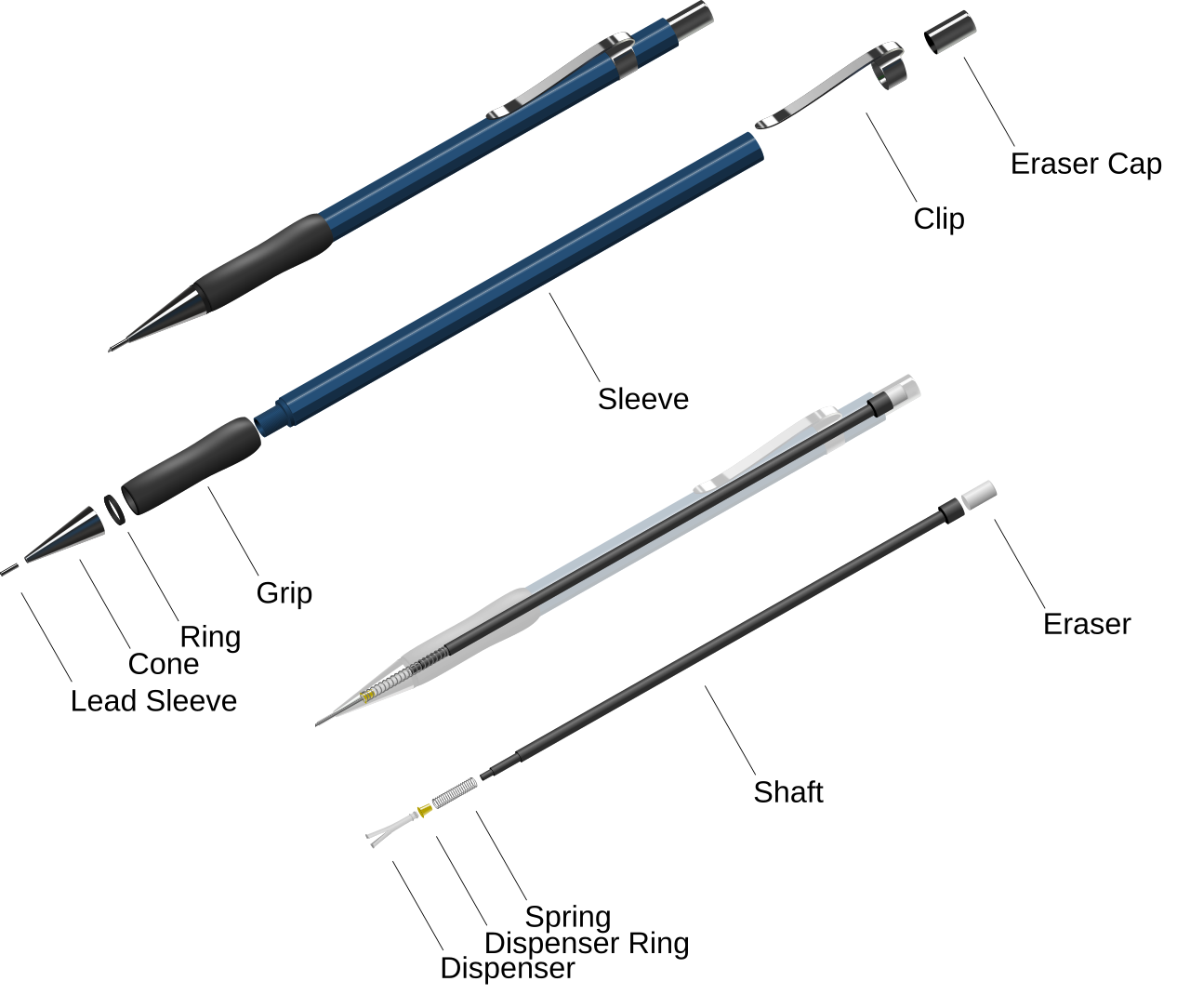
Types of Mechanical Pencils for Artists:
- Drafting Pencils: Designed for ultimate precision, these often feature knurled metal grips and fixed lead sleeves. Ideal for architects and technical illustrators.
- General-Purpose: More ergonomic with retractable tips and cushioned grips, making them great for everyday, casual sketchbook use.
- Clutch Pencils (Lead Holders): These use much thicker leads (typically 2mm) and are favored for expressive sketching and shading. They combine the feel of a traditional pencil with the convenience of a mechanical body.
Choosing Your Lead Size:
- 0.3mm: Ultra-fine detail and micro-sketching.
- 0.5mm: The standard for general drawing and outlining.
- 0.7mm: Slightly bolder, more prominent lines.
- 0.9mm & 2mm: Ideal for shading, thick outlines, and expressive work.
Colored Leads: Expanding Creative Possibilities
Mechanical pencils aren’t limited to graphite. Colored leads are available in a variety of hues—red, blue, green, violet, and more—offering artists a new layer of flexibility. Uses:
- Under-drawings: Light blue or red leads are perfect for sketching layouts before inking. They’re easy to distinguish and often disappear during scanning or editing.
- Color Coding: Designers and illustrators use colored leads to organize ideas or separate layers visually.
- Soft Sketching: Colored leads offer a gentle, expressive alternative to graphite, especially for gesture drawing or warm-up sketches.
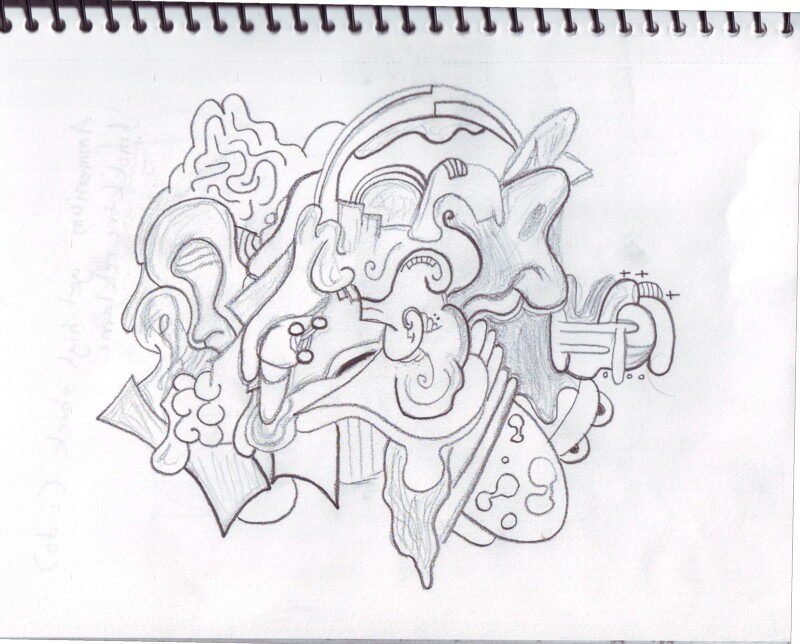
credit: mawltea

credit: urielcerqueda
Woodless Graphite Pencils: Pure Graphite
Sketchbooks.org | RESEARCH HUB:
Woodless graphite Pencils Sketch Examples
Visual research is critical for any creative endeavor. We have compiled specialized links to lead you directly to images, videos, and inspiration for "Woodless graphite Pencils Sketch Examples" across the web's best visual search platforms.
Woodless graphite pencils are pure graphite from tip to end, wrapped only in a thin lacquer coating to keep your hands clean. They offer a liberating sketching experience that gives you the feel of a pencil but the coverage of a stick.
Without the constraint of a wooden casing, these solid sticks allow for broader strokes, smoother transitions, and full-surface shading that feels almost painterly. The exposed graphite responds beautifully to pressure and angle, making it easy to shift from delicate lines to rich, velvety fills.
Best Uses:
- Broad shading and tonal gradation
- Expressive strokes without sharpening interruptions
- Layering techniques for depth
Graphite Sticks and Blocks: Bold and Freeing
Sketchbooks.org | RESEARCH HUB:
Graphite Sticks and Blocks Sketch Examples
Visual research is critical for any creative endeavor. We have compiled specialized links to lead you directly to images, videos, and inspiration for "Graphite Sticks and Blocks Sketch Examples" across the web's best visual search platforms.
Graphite sticks (also called graphite blocks) are thick, solid pieces of graphite without any casing. They allow for broad, energetic strokes and loose, painterly sketching.
Graphite sticks encourage freedom and movement, making them ideal for warm-ups and dynamic sketchbook pages. You can use side shading for wide, sweeping tonal areas, or draw with the hard edge for sharp, heavy lines. It is a tool that invites you to think in shapes and masses rather than just outlines.
Best Uses:
- Covering large areas of paper quickly
- Gesture drawing and life drawing sessions
- Creating highly textured, expressive marks
Powdered Graphite: Soft and Atmospheric
Powdered graphite is a lesser-known but highly powerful form of the medium. Applied with a dry brush, tissue, or cotton pad, it creates incredibly soft gradients, atmospheric effects, and smooth tonal transitions that are nearly impossible to achieve with a standard pencil tip.
It is perfect for building moody backgrounds, laying down base shadows quickly, and combining with crisp pencil lines for striking mixed-texture drawings.
Best Uses:
- Smooth, seamless tonal transitions
- Creating atmospheric or foggy backgrounds
- Soft portrait shading
Water-Soluble Graphite: The Best of Both Worlds
Sketchbooks.org | RESEARCH HUB:
Water-Soluble Graphite Sketch Examples
Visual research is critical for any creative endeavor. We have compiled specialized links to lead you directly to images, videos, and inspiration for "Water-Soluble Graphite Sketch Examples" across the web's best visual search platforms.
Water-soluble graphite behaves exactly like traditional graphite when used dry, but it transforms into rich, ink-like washes when activated with a wet brush.
This allows you to combine structural linework with painterly, watercolor-style effects. It’s an incredibly versatile addition to your kit, adding a completely new dimension to your sketchbook practice—especially for travel sketching and mixed-media pieces.
Best Uses:
- Creating graphite washes and wet gradients
- Combining strict line art with loose, painterly effects
- On-the-go travel sketching
Sketchbooks.org | SKETCHBOOK MATERIALS
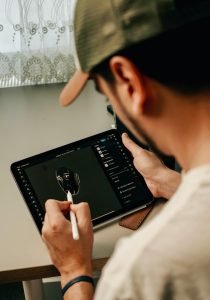
Top 3 Tablet & Best iPad Sketching Apps | Digital Drawing Tools
Navigate the digital landscape. Discover the most powerful and intuitive apps for drawing on the go with your tablet or iPad.
Frequently Asked Questions
What is the best pencil hardness for sketching?
For general sketching, 2B or 4B pencils offer a great balance between dark lines and smooth shading without being too difficult to erase.
Are mechanical pencils good for sketching?
Absolutely. Mechanical pencils work exceptionally well for precise linework, consistent hatching, and fine details, as they never lose their sharp point.
How do woodless graphite pencils differ from regular graphite pencils?
Woodless pencils lack the wooden casing, meaning the entire body of the pencil is usable graphite. This allows for much broader strokes and seamless shading transitions simply by tilting the pencil on its side.
Is a harder pencil better for detailed sketches?
Yes, H-grade pencils (like 2H or 4H) produce very light, crisp lines that hold a sharp point longer, making them highly suitable for technical and architectural detail work.
What’s the best way to blend graphite shading?
Using a blending stump (tortillon), a tissue, or a soft brush can help you achieve incredibly smooth transitions in your shading without leaving the oils from your fingers on the paper.
Should beginners use softer or harder pencils?
Beginners are often best served by starting with an HB or 2B pencil. These provide a balanced experience, offering enough darkness to see tonal range while remaining easy to control and erase.
Final Thoughts
Graphite truly comes in many forms—from the precision of a mechanical lead to the bold sweep of a graphite stick, and the soft atmosphere of graphite powder. By exploring the full range of graphite tools, you unlock new textures, tones, and expressive possibilities.
Choosing the best graphite for sketching depends heavily on your artistic needs. Whether you prefer clean architectural lines or loose, emotional shading, there is a form of graphite that adapts to your style. Experiment with these different tools to refine your technique, expand your creative boundaries, and find the perfect match for your sketchbook journey!
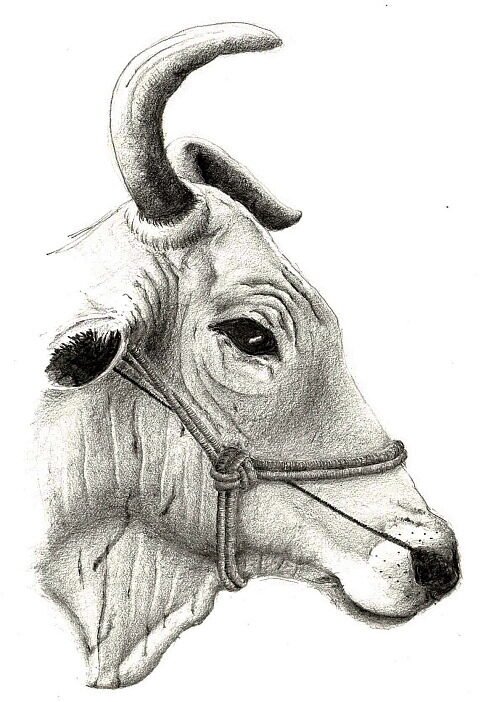
credit: ssudhi
Ready to Share Your Work?
Do you prefer drawing quick sketches or detailed studies?