
Table of Contents
Erasers are often seen as simple tools for correcting errors, but in the world of art, they are much more than that. From graphite sketches to charcoal studies, erasers play a dual role: fixing mistakes and serving as creative instruments in their own right. Understanding the different types of erasers, their uses, and how they can elevate your drawing practice is essential for every artist.
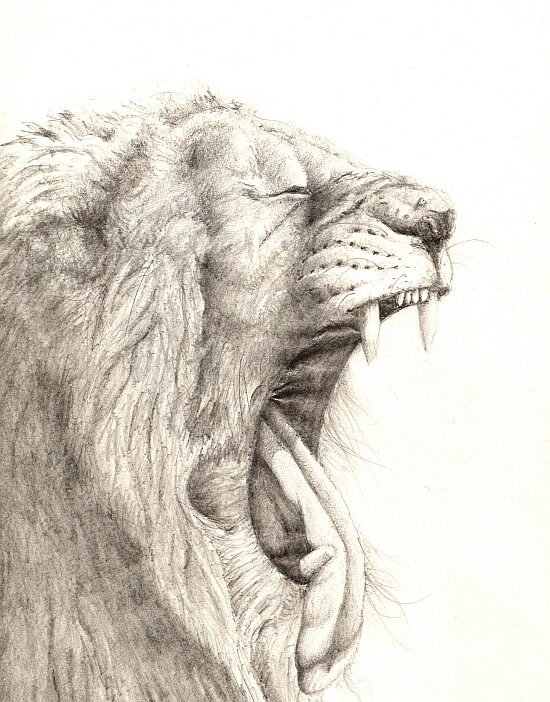
credit: SSUDHI
The Dual Purpose of Erasers
Correcting Mistakes



At their most basic, erasers remove unwanted marks. Whether you’re working with pencil, charcoal, or pastel, erasers provide a way to clean up smudges, lighten areas, or refine details.
Drawing Tools
Beyond correction, erasers can be used to draw with light. By lifting pigment from the page, artists can create highlights, textures, and subtle tonal variations. This makes erasers as important as pencils or brushes in the creative process.
Types of Erasers and Their Uses
Rubber Erasers
The classic pink or white rubber eraser is durable and effective for removing graphite. It’s best for strong corrections but can be abrasive on delicate paper.
Vinyl Erasers
Vinyl erasers are tougher and more precise, capable of erasing cleanly without smudging. They are ideal for technical drawings and detailed work.
Kneaded Erasers
Soft and pliable, kneaded erasers can be shaped into points or broad surfaces. They are perfect for lifting graphite or charcoal gently, creating highlights, and blending tones.
Gum Erasers
Made from soft, crumbly material, gum erasers are gentle on paper. They erase lightly and are often used for delicate surfaces or softer corrections.
Mechanical Erasers
These erasers come in pen-like holders, allowing for fine precision. They are excellent for detailed highlights, intricate textures, and controlled corrections.
Erasers as Creative Tools
Highlighting
By lifting pigment, erasers can create highlights in hair, fabric folds, or reflective surfaces. This technique adds realism and depth to drawings.
Texture Creation
Artists use erasers to mimic textures such as wood grain, stone, or fabric. By dabbing or dragging the eraser, unique effects emerge.
Subtractive Drawing
In subtractive drawing, the artist covers the paper with graphite or charcoal and then uses an eraser to carve out shapes and highlights. This reversal of the usual process produces striking results.
Blending and Softening
Kneaded erasers are particularly effective for softening edges and blending tones, helping to create smooth transitions in shading.
Choosing the Right Eraser for Your Medium
Graphite
Rubber and vinyl erasers work best for graphite, offering clean removal and precision.
Charcoal
Kneaded erasers are ideal for charcoal, as they lift pigment without damaging the paper.
Colored Pencils
Vinyl erasers can lighten colored pencil marks, though complete removal is difficult.
Pastels
Kneaded erasers can lift pastel pigment gently, though blending tools are often more effective.
Practical Tips for Using Erasers
- Use Light Pressure: Pressing too hard can damage the paper.
- Shape Your Eraser: Kneaded erasers can be molded into points for fine details.
- Keep Erasers Clean: Dirty erasers can smudge rather than erase.
- Experiment: Try different erasers to discover unique effects in your drawings.
Erasers in Professional Art Practice
Professional artists often view erasers as essential creative tools. In portraiture, erasers are used to capture the glint in an eye or the shine on hair. In landscapes, they create highlights on water or texture in foliage. In technical drawing, erasers ensure precision and clarity.

 Sketchbooks.org | INSPIRATION & SUBJECTS
Sketching at the Train Station | Capturing Movement and Architecture
Explore the poetry of transit. Discover ways to capture architecture and the motion of people in the bustling atmosphere of the station.
Frequently Asked Questions
What is the best eraser for graphite?
Vinyl and rubber erasers are most effective for clean removal of graphite marks.
Can erasers be used for drawing highlights?
Yes, kneaded and mechanical erasers are excellent for lifting pigment to create highlights.
Do erasers damage paper?
Some erasers, like rubber or vinyl, can be abrasive if used with heavy pressure.
Are kneaded erasers reusable?
Yes, they can be stretched and reshaped, absorbing pigment until they become saturated.
Can erasers work on colored pencils?
They can lighten marks, but complete removal is difficult due to waxy pigments.
What is subtractive drawing?
It’s a technique where pigment is applied broadly, and erasers are used to carve out highlights and shapes.
How do I keep my erasers clean?
Regularly rub them on scrap paper to remove pigment buildup and prevent smudging.
Final Thoughts
Erasers are far more than tools for fixing mistakes—they are instruments of creativity. From highlighting and texturing to subtractive drawing, erasers expand the possibilities of artistic expression. Choosing the right eraser for your medium and learning how to use it effectively can transform your work.
Whether you’re a beginner experimenting with graphite or a professional refining charcoal portraits, erasers deserve a place alongside your pencils and brushes. They are not just for mistakes, but for drawing brilliance.
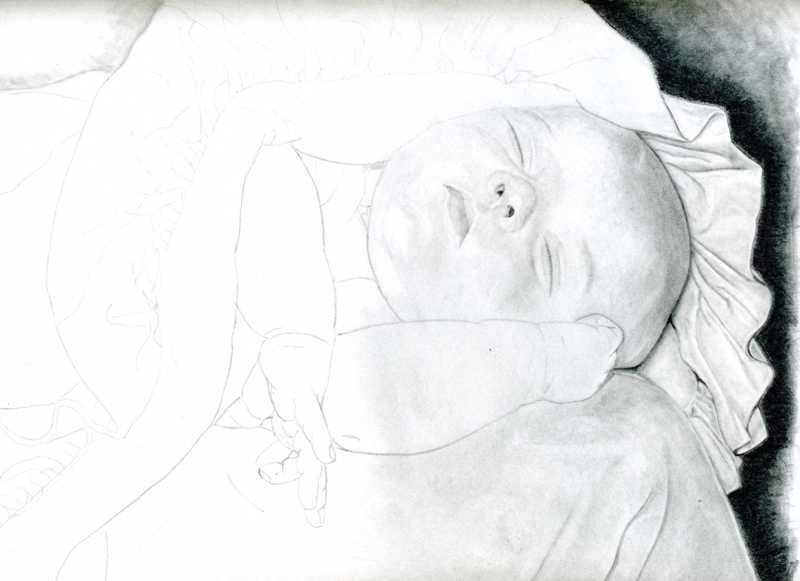
credit: RICKBERRY
Ready to Share Your Work?
Do you typically complete a sketch in one sitting, or revisit it over time?

I Knead an eraser
lol. hah!. .. me too. kneaded squishy silly putty is the best.