Table of Contents
Why Colored Pencils Are So Versatile
Colored pencils are lightweight, portable, and incredibly easy to use. They provide artists with the ability to infuse drawings with color and emotion, making them an ideal medium for both beginners and experienced sketchers alike.
The Versatility of Colored Pencils
- Layering and Blending: Colored pencils allow you to build depth and dimension by layering colors. Their ability to blend makes them perfect for creating smooth transitions and gradients.
- Precision and Detail: Their pointed tips enable artists to work on intricate details with accuracy.
- Variety of Styles: Whether you’re creating realistic portraits or abstract designs, colored pencils adapt seamlessly to different artistic styles.
Portability and Convenience
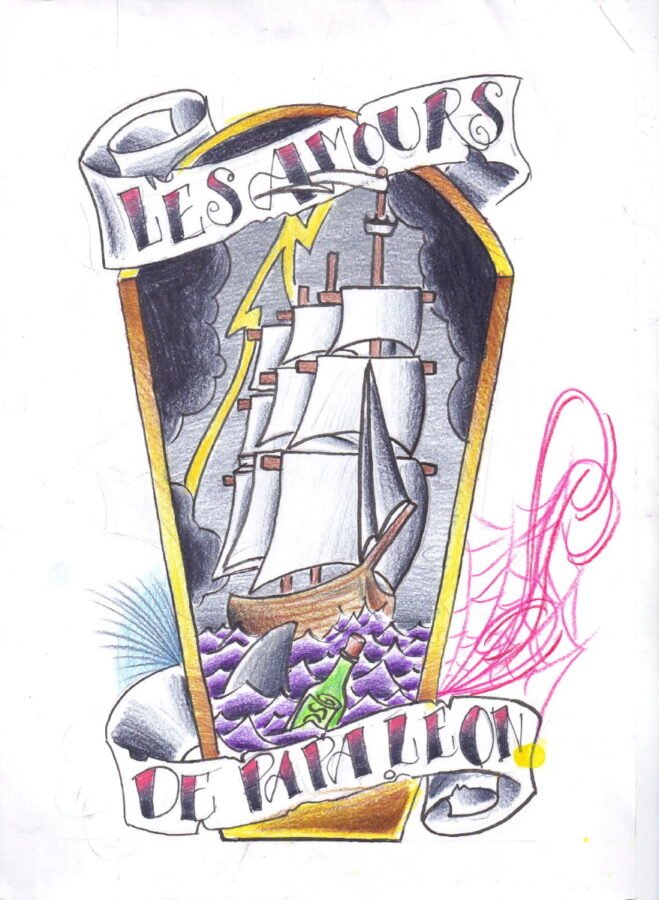
Colored pencils are easy to carry, making them the ultimate companion for artists on the go. Whether you’re sketching at a park, café, or while traveling, they’re the perfect tool to keep your sketchbook alive. Colored pencils bring a pop of color to your sketchbook, helping your ideas stand out. Even simple line drawings can be elevated with the addition of vibrant hues and shading. Pair colored pencils with other tools, such as ink pens or graphite pencils, to create mixed-media sketches that are dynamic and eye-catching.

credit: PHILIPDEANGRAY
In this comprehensive guide, we’ll break down the major colored pencil types, their uses, and essential techniques to help you choose—and use—the right tools for your next creative session.
Unlike paint or ink, colored pencils offer a dry, accessible medium that combines the precision of drawing with the potential of layering, blending, and burnishing.
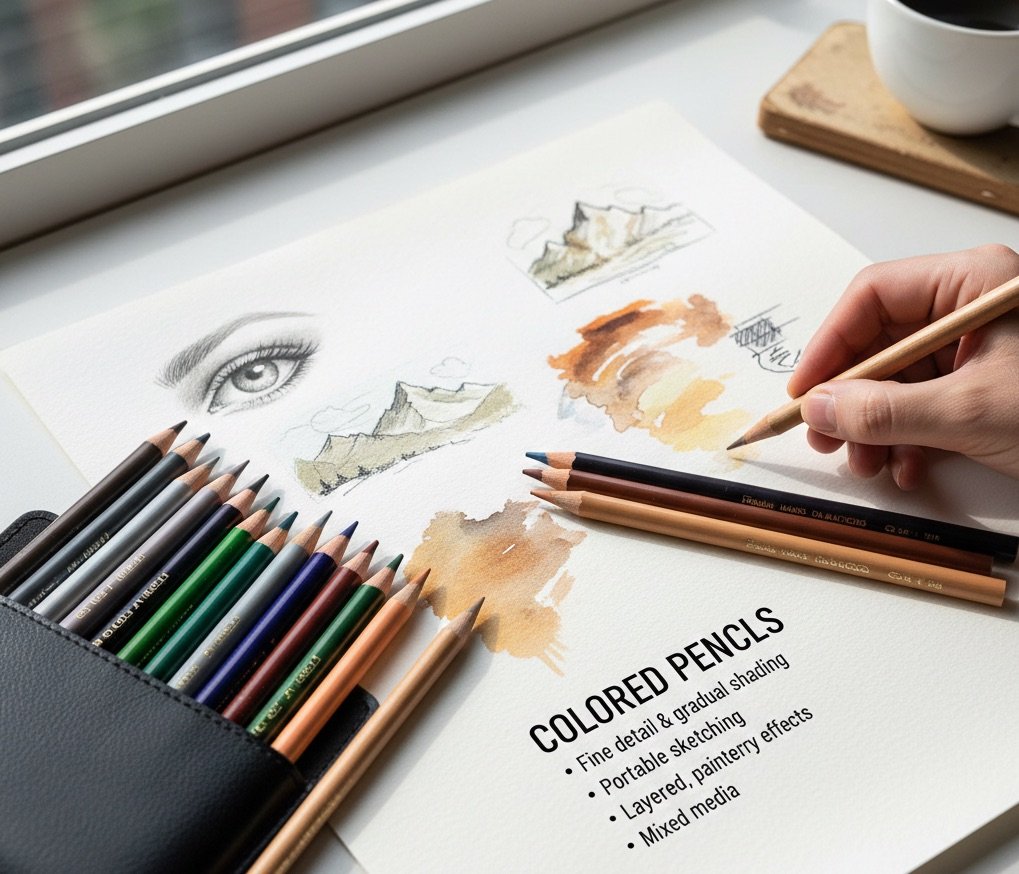
They’re excellent for:
- Fine detail and gradual shading
- Portable sketching and fieldwork
- Layered, painterly effects without messy cleanup
- Mixing with other media for mixed media work
Used with intention, the right pencils can unlock a rich visual vocabulary and suit a wide range of illustration styles, from realism to abstraction.
The Primary Types of Colored Pencils
Colored pencils fall into several core categories, each with its own performance characteristics, application style, and learning curve. Let’s break them down one by one.
Wax-Based Colored Pencils
Creamy, blendable, and beginner-friendly
Wax-based pencils are the most common type used by artists and hobbyists. They lay down color smoothly and offer a wide range of richness, vibrancy, and price points.
 Sketchbooks.org | RESEARCH HUB:
Wax-Based Colored Pencils Sketch Examples
Visual research is critical for any creative endeavor. We have compiled specialized links to lead you directly to images, videos, and inspiration for "Wax-Based Colored Pencils Sketch Examples" across the web's best visual search platforms.
Notable features:
- Softer leads with high pigment
- Excellent for layering and burnishing
- May produce a wax bloom over time (can be buffed or sealed)
- Prone to breakage if over-sharpened or dropped
Great for both beginners and pros, wax-based pencils offer the flexibility needed for portraiture, botanical studies, or rich still-life compositions.
Oil-Based Colored Pencils
Durable, sharper lines, and less smudging



Oil-based pencils offer a firmer core and more control for precision work. While they don’t blend quite as easily as wax-based pencils, their durability and smooth laydown make them excellent for tight renderings and detailed linework.
Best suited for:
- Technical illustrations
- Sharp edges and clean details
- Artists who layer slowly and methodically
Because they resist breakage and retain a point longer, they’re excellent for long drawing sessions with intricate subjects like architecture or animal portraits.
Water-Soluble Colored Pencils
Blendable with water for watercolor-like effects
Also known as watercolor pencils, these versatile tools can be used dry like traditional colored pencils—or activated with water for painterly washes.
How they work:
- Use dry for sketching or fine work
- Add water with a brush to dissolve pigment
- Layer wet-on-dry or dry-on-wet for different textures
These are ideal for mixed media, travel sketchbooks, or artists who want watercolor effects with pencil control.
Mechanical or Woodless Colored Pencils
Minimal waste, more pigment, and fine control
Mechanical colored pencils or woodless types offer a full core with no wooden casing. These often have richer pigment per pencil and can be sharpened to ultra-fine points.
Use them for:
- Technical sketching
- High pigment saturation
- Compact art kits or studio travel
They may not blend as softly as wax-based pencils but make up for it in efficiency and saturation.
Student vs. Professional Grade Colored Pencils
Understanding the difference between entry-level and artist-grade pencils is key:
- Student-grade pencils: Cheaper, lower pigment content, less blendable
- Professional pencils: Higher lightfastness, more pigment, smoother laydown
If you’re just starting, affordable brands are fine. But as your skill deepens, upgrading your tools can dramatically enhance results.

How to Start Using Colored Pencils Effectively
Now that you know the types, here’s how to get started with confidence.
Use Light Pressure and Build Slowly
Rather than pressing hard and flattening the tooth of the paper, use light layers and slowly build up value and saturation. This allows room for adjustments and smoother color transitions.
Try Layering with Similar and Contrasting Colors
Start by layering within the same color family (light blue over dark blue), then experiment with complements (red + green, blue + orange) for visual vibrance.

Blend With Tools, Not Just Fingers
Try:
- Paper stumps
- Soft tissue or cotton swabs
- Colorless blender pencils
- Small blending brushes for water-soluble types
Avoid oily fingers—they can smudge or resist pigment application.
Choose Paper With Enough Tooth
Colored pencils need texture to grip. Try paper labeled for mixed media or hot press watercolor paper, or invest in dedicated colored pencil paper with extra tooth and weight.
Integrate Pencils Into a Mixed Media Workflow
Colored pencils play well with:
- Ink outlines
- Watercolor base washes
- Collage elements
- Gouache or acrylic touch-ups
They’re a subtle, controllable medium that can either dominate or quietly enhance an image depending on how they’re used.
Sketchbooks.org | RESEARCH HUB:
Mixed Media Colored Pencils Sketch Examples
Visual research is critical for any creative endeavor. We have compiled specialized links to lead you directly to images, videos, and inspiration for "Mixed Media Colored Pencils Sketch Examples" across the web's best visual search platforms.
Tips for Using Colored Pencils in Your Sketchbook
To make the most of your colored pencils, consider the following techniques and tips.
Choose the Right Paper
- Opt for sketchbooks with thicker paper to handle layering and blending without tearing.
- Look for textured paper to add dimension and depth to your sketches.
Invest in Quality Pencils
- Higher-quality colored pencils, such as Prismacolor or Faber-Castell, have rich pigments and smooth application, making your sketches more vibrant and professional-looking.
Master Blending Techniques
- Use a blending pencil or burnishing tool to create smooth transitions between colors.
- Experiment with layering multiple colors to add depth and complexity to your work.
Start Light and Build Layers
Begin with light strokes to establish the basic composition. Gradually increase pressure as you build layers and intensify the colors.
Subject Matter to Explore with Colored Pencils
Finding the right subjects can ignite your creativity and help you make the most of your colored pencil sketches.
Everyday Inspiration
- Nature: Sketch flowers, leaves, and landscapes to explore the rich textures and vibrant colors of the natural world.
- Still Life: Draw everyday objects like fruits, books, or coffee mugs to practice shading and reflections.
Creative Challenges
- Abstract Art: Play with shapes, patterns, and color combinations to create visually striking compositions.
- Portraits: Use colored pencils to capture the subtleties of skin tones, hair, and expressions.
On-the-Go Sketching
Colored pencils are perfect for capturing fleeting moments, whether you’re drawing cityscapes, people on the move, or scenic vistas during your travels.
Sketchbooks.org | TECHNIQUES & PROCESS
Discover Watercolor and Pen | Modern Visions
Explore the delicate balance of ink and wash. Discover how watercolor brings light and life to the structured world of pen drawing.
Frequently Asked Questions
What are the best colored pencils for beginners?
Wax-based pencils like Prismacolor or student-grade sets are affordable and easy to blend.
Can I mix different types of colored pencils?
Yes—just be cautious with water-soluble types on top of wax-based ones to avoid streaking.
How do I prevent wax bloom?
Buff finished areas gently with a soft cloth, or use fixative spray if needed.
What’s the best paper for colored pencil work?
Try heavyweight paper with visible texture, such as Bristol, mixed media, or hot press watercolor paper.
Should I use fixative on colored pencil drawings?
It’s optional but helpful for sealing layers and preventing smudging on finished work.
Do oil-based pencils blend as well as wax-based?
They blend differently—less creamy, but great for crisp layering and fine detail.
Are colored pencils lightfast?
Artist-grade pencils often come with lightfast ratings; check brand specs if you plan to sell or display your art.
Final Thoughts
Getting to know the different types of colored pencils and how to start using them effectively opens a gateway to expressive, nuanced, and highly portable art-making. Whether you’re layering soft wax hues, detailing with oil-rich leads, or activating watercolor pencils on textured paper, understanding your tools enhances both skill and satisfaction.
Start small, explore each type’s strengths, and lean into your own drawing rhythm. With practice and the right approach, colored pencils become more than a drawing tool—they become an extension of your unique creative voice.
credit: FRENCHINK
Ready to Share Your Work?
Do you date your sketchbook entries?
My colored pencils don’t get used enough. Gonna change that.