Table of Contents
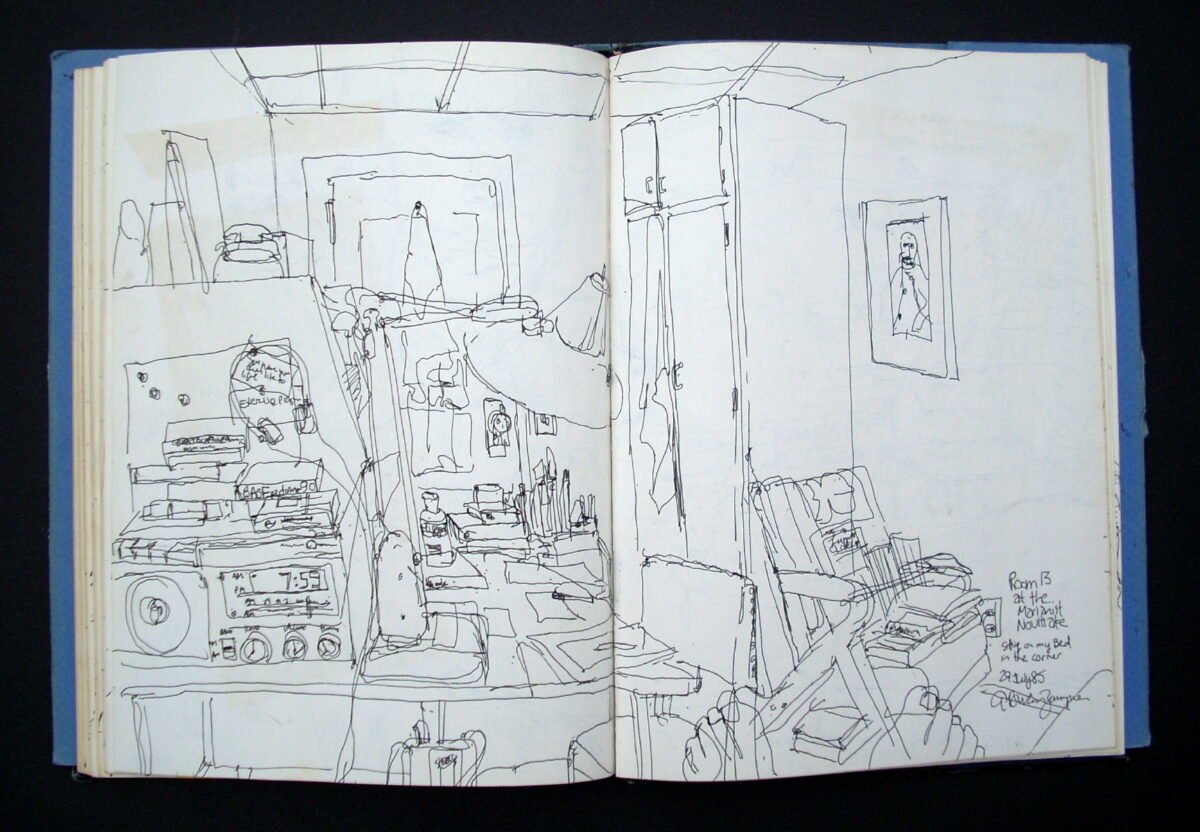
Contour drawing is one of the most effective ways to strengthen your observational skills, sharpen your hand‑eye coordination, and develop a more confident sketching style. By focusing on the edges, shapes, and transitions of a subject, contour drawing trains you to truly see rather than rely on assumptions or shortcuts. Whether you’re a beginner building foundational skills or an experienced artist refining your linework, contour drawing exercises offer a powerful way to deepen your connection to your subject and elevate your sketchbook practice.
This page explores the purpose of contour drawing, essential techniques, practical exercises, and ways to integrate contour sketching into your daily routine. It’s designed to help you build accuracy, awareness, and expressive line quality—all through the simple act of drawing the contours of what you see.
What Is Contour Drawing?
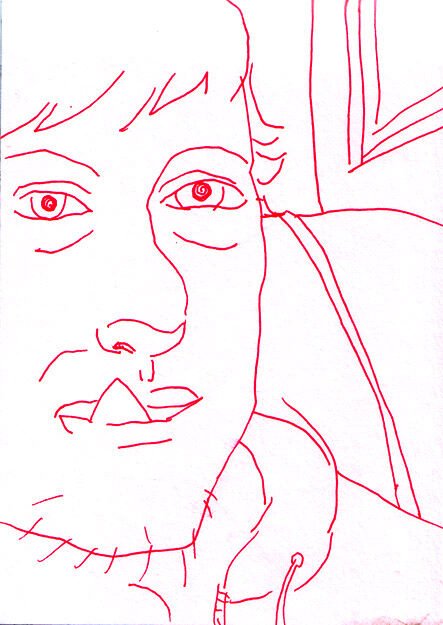
Contour drawing is the practice of drawing the outlines and essential edges of a subject without focusing on shading or detail. Instead of building form through value, you build it through line. The goal is to observe closely and translate what you see into continuous, intentional marks.
Contour drawing is not about perfection—it’s about presence. It teaches you to slow down, look carefully, and trust your hand to follow your eye. This makes it one of the most valuable exercises for improving observational drawing skills.
Why Contour Drawing Improves Observation Skills
Contour drawing forces you to observe the subject with heightened attention. Instead of glancing quickly and filling in the rest from memory, you must follow every curve, angle, and shift in direction.
Key Benefits
- Strengthens hand‑eye coordination
- Builds confidence in linework
- Reduces reliance on guesswork
- Encourages mindful, deliberate sketching
- Helps you understand form and proportion
- Improves accuracy in all types of drawing
Contour drawing is foundational for artists who want to improve realism, gesture, and expressive line quality.
credit: ABZ
Types of Contour Drawing
Blind Contour Drawing



You draw the subject without looking at your paper. This exercise heightens observation and breaks the habit of correcting lines prematurely.
Pure Contour Drawing
You look at both the subject and your paper, but you draw slowly and continuously, following the edges with intention.
Modified Contour Drawing
You primarily watch the subject but glance at your paper occasionally to maintain proportion.
Continuous Line Drawing
You draw the entire subject without lifting your pen, creating a fluid, uninterrupted line.
Each variation strengthens different aspects of observation, control, and expressive mark‑making.
Essential Techniques for Effective Contour Drawing
Move Your Eyes Slowly
Your hand should move only as fast as your eyes travel along the subject’s edges.
Use a Single, Continuous Line
Avoid sketchy, repeated strokes. A single line builds confidence and clarity.
Focus on Shapes, Not Symbols
Draw what you see, not what you think an object looks like.
Start Anywhere
There’s no “correct” starting point. Begin with the most interesting or prominent edge.
Avoid Erasing
Contour drawing is about learning, not perfection. Let the lines stand.
Contour Drawing Exercises to Boost Observation Skills
These exercises are designed to strengthen your ability to observe accurately and translate visual information into expressive lines.
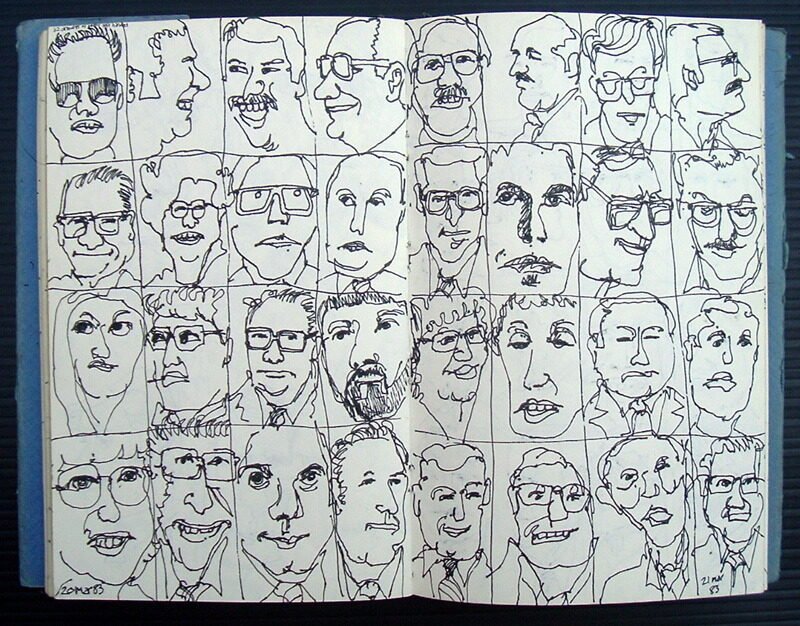
Blind Contour Portraits
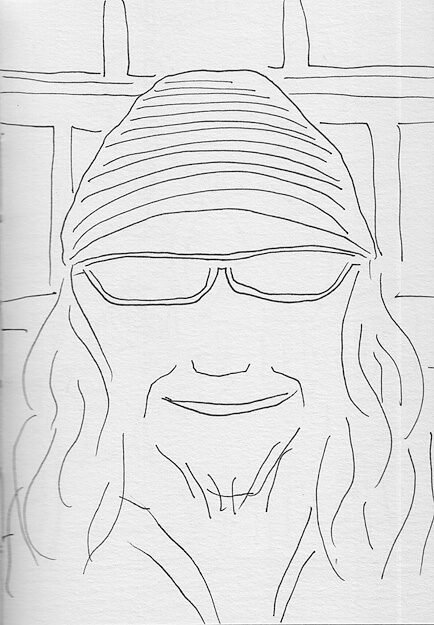
Draw a face without looking at your paper. This builds trust between your eye and hand and forces you to observe every detail.
Continuous Line Objects
Choose simple objects—cups, plants, tools—and draw them using one unbroken line. This improves flow and line confidence.
Contour Walk
Move your eyes along the subject as if your gaze is walking its edges. Draw slowly, matching the pace of your observation.
Hands and Feet Studies
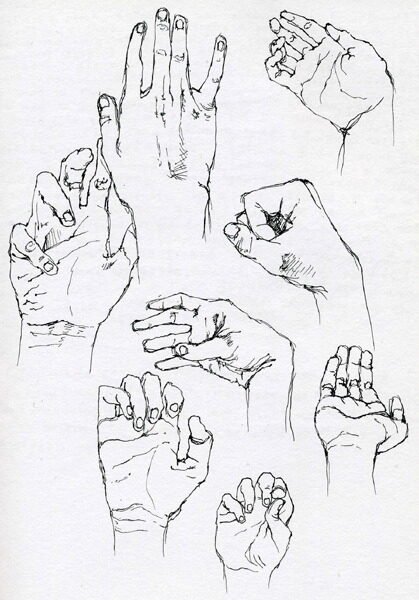
Hands and feet are complex forms with intricate contours. Drawing them improves precision and patience.
Contour Still Life
Arrange a small still life and draw only the outlines and major edges. This helps you understand proportion and spatial relationships.
Timed Contour Sessions
Set a timer for 2, 5, or 10 minutes. Short sessions build speed and focus; longer ones build depth and accuracy.
Contour Landscapes
Use contour lines to capture trees, buildings, and natural forms. This trains you to simplify complex scenes into essential shapes.
credit: ABZ
Tools and Materials for Contour Drawing
Pens and Fineliners
Pens encourage commitment to your lines and prevent over‑erasing.
Pencils
Great for beginners who want a softer, more forgiving line.
Sketchbooks
Choose a sketchbook with smooth paper that supports clean, continuous lines.
Markers or Brush Pens
These add expressive variation in line weight and help you explore dynamic contours.
How to Build a Contour Drawing Routine
Daily Warm‑Ups
Start each sketching session with a 5‑minute contour exercise.
Use Everyday Objects
Your home is full of contour‑rich subjects—keys, mugs, plants, tools, shoes.
Mix Blind and Modified Contours
Alternate between exercises to strengthen different skills.
Draw Slowly
Contour drawing is not a race. Slowing down improves accuracy and awareness.
Review Your Progress
Look back at older contour drawings to see how your observation skills have improved.
Common Mistakes to Avoid
- Drawing too fast
- Looking at the paper more than the subject
- Using short, scratchy lines
- Focusing on details before major shapes
- Trying to “fix” lines instead of committing to them
- Relying on memory instead of observation
Contour drawing works best when you embrace imperfection and stay fully present.

 Sketchbooks.org | TECHNIQUES & PROCESS
Drawing Gesture Loops | Capture Motion and Rhythm with Continuous Lines
Immerse yourself in the rhythm of movement. Discover the fluid beauty of gesture loops to capture the essence of a pose in seconds.
Frequently Asked Questions
What is the main purpose of contour drawing?
Contour drawing trains your eye to observe closely and improves hand‑eye coordination.
Is blind contour drawing useful?
Yes, it strengthens observation skills by forcing you to rely entirely on what you see.
How often should I practice contour drawing?
A few minutes a day is enough to see noticeable improvement.
Do I need special tools for contour drawing?
No, any pen or pencil and a sketchbook will work.
Can contour drawing improve realism?
Absolutely—accurate observation is the foundation of realistic drawing.
Should I erase mistakes in contour drawings?
No, leaving mistakes helps you learn and builds confidence.
Is continuous line drawing the same as contour drawing?
Continuous line drawing is a type of contour drawing that uses one unbroken line.
Can contour drawing help with gesture drawing?
Yes, it improves your ability to see shapes and edges, which enhances gesture work.
Final Thoughts
Contour drawing is one of the most powerful tools for boosting observation skills and developing a confident, expressive drawing style. By focusing on edges, shapes, and transitions, you learn to see with clarity and draw with intention. Whether you’re practicing blind contours, continuous lines, or modified contour techniques, each exercise strengthens your awareness and deepens your connection to your subject. With consistent practice, contour drawing becomes more than an exercise—it becomes a foundation for all your sketching and artistic growth.
credit: JASONPOGO
Ready to Share Your Work?
How do you handle "bad" sketches or pages you don't like?