Table of Contents
Conte crayons are a sometimes overlooked choice in the world of drawing materials, yet they remain one of the most versatile and expressive tools available to artists. Known for their rich pigmentation, smooth application, and ability to bridge the gap between drawing and painting, conte crayons deserve a closer look. In this guide, we’ll explore their history, characteristics, techniques, and practical applications, while highlighting why they continue to be a valuable medium for both beginners and professionals.
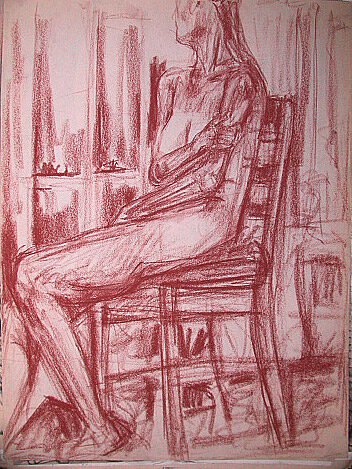
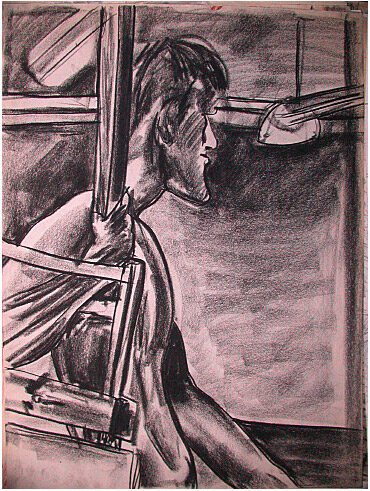
credit: jasonpogo
What Are Conte Crayons?



Conte crayons are sticks of compressed pigment mixed with clay and a binder, resulting in a dense, smooth drawing tool. Unlike soft pastels, they are harder and less dusty, which makes them easier to control and cleaner to work with. They are available in a range of colors now. Traditionally, earthy tones—black, white, sanguine (red-brown), and sepia—have been favored by artists for centuries.
Their unique composition allows for both delicate linework and bold shading, making them suitable for sketching, figure drawing, portraiture, and even mixed-media projects.
A Brief History of Conte Crayons

WEB SEARCH
Nicolas-Jacques Conté
Search for "Nicolas-Jacques Conté" using a generic web search service for quick results.
Conte crayons were invented in the late 18th century by Nicolas-Jacques Conté, a French artist and scientist. His innovation came during a shortage of graphite, when he developed a new medium by combining clay with pigment. This invention not only solved a practical problem but also introduced a material that quickly became popular among artists for its versatility and expressive qualities.
Characteristics of Conte Crayons
Pigmentation and Tone
Conte crayons are known for their deep, earthy tones. The most common colors—black, white, sanguine, and sepia—offer a natural palette that emphasizes form, shadow, and light. These tones are particularly effective for figure drawing and classical studies.
Texture and Application
The texture of conte crayons is smooth yet firm. They glide across paper without crumbling, allowing for precise control. Their firmness makes them ideal for detailed work, while their rich pigment enables strong, dramatic shading.
Versatility
Conte crayons can be used for both fine lines and broad strokes. They blend easily with fingers or blending tools, yet they also retain sharp edges when needed. This duality makes them adaptable to a wide range of artistic styles.
Techniques for Using Conte Crayons
Line Drawing
Their firmness allows for crisp, clean lines, making conte crayons excellent for sketching and outlining.
Shading and Value Studies
By varying pressure, artists can achieve a wide range of values, from light gray to deep black. Layering and blending enhance tonal depth.
Blending and Smudging
Conte crayons blend smoothly, whether with fingers, stumps, or cloth. This makes them ideal for soft transitions and atmospheric effects.
Highlighting
White conte crayons are perfect for adding highlights on toned paper, creating contrast and dimension.
Mixed Media
Conte crayons combine well with graphite, charcoal, and ink. Their earthy tones complement other media, adding richness and texture to compositions.
Choosing the Right Paper
The choice of paper greatly affects the outcome when working with conte crayons.
- Textured paper: Provides grip for layering and blending.
- Toned paper: Enhances highlights and shadows, especially with white conte.
- Smooth paper: Allows for precise linework but may limit blending.
Advantages of Conte Crayons
Control and Precision
Their firmness gives artists more control compared to soft pastels or charcoal.
Clean Handling
Conte crayons produce less dust, making them cleaner and easier to work with.
Classical Aesthetic
The earthy tones evoke a timeless, classical feel, ideal for figure drawing and portraiture.
Durability
Marks made with conte crayons are more permanent and less prone to smudging than charcoal.
Limitations to Consider
While conte crayons are versatile, they do have limitations. Their color range is narrower compared to pastels, focusing mainly on earthy tones. They are also less suitable for vibrant, colorful compositions. Additionally, while blending is possible, it is not as soft or painterly as with pastels.
Practical Applications
Figure Drawing
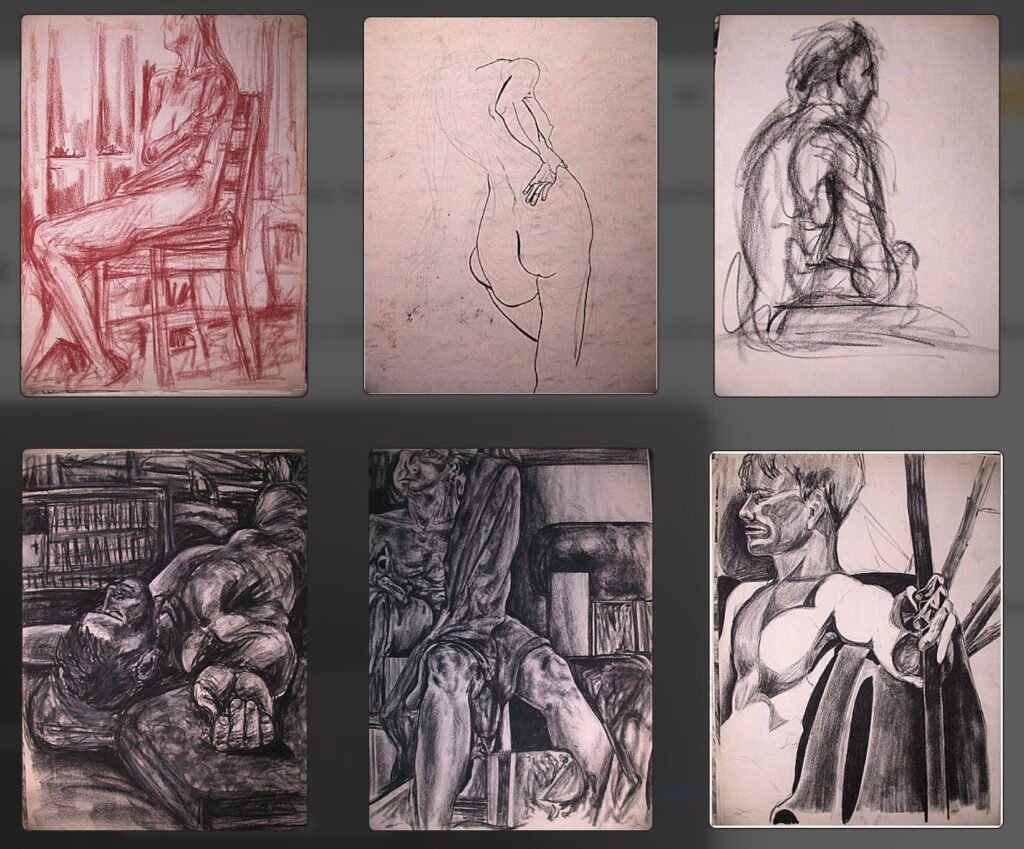
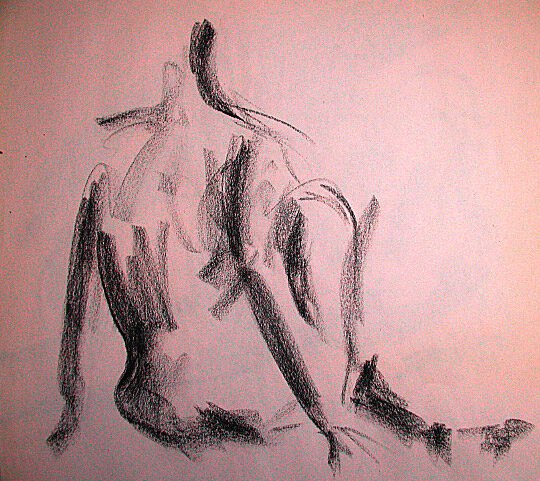
Conte crayons are widely used in life drawing classes for capturing anatomy and gesture with expressive shading.
Portraiture
Their tonal range makes them ideal for rendering facial features and skin tones with depth and realism.
Architectural Sketches
The firmness of conte crayons supports precise linework, making them useful for architectural studies.
Conceptual Studies
Artists often use conte crayons for preliminary sketches, exploring composition and value before moving to other media.
 Sketchbooks.org | TECHNIQUES & PROCESS
Getting the Eyes Right | Why Eyes Can Make or Break a Portrait
Explore the "windows to the soul." Discover the anatomical secrets and subtle details that make eyes the most compelling part of any portrait sketch.
Frequently Asked Questions
What makes conte crayons different from pastels?
Conte crayons are harder, less dusty, and offer more control compared to soft pastels.
Can conte crayons be blended easily?
Yes, they blend smoothly with fingers or blending tools, though not as softly as pastels.
What paper works best with conte crayons?
Textured or toned paper provides the best grip and enhances highlights and shadows.
Are conte crayons suitable for beginners?
Absolutely—they are easy to handle, versatile, and encourage exploration of value and form.
Do conte crayons come in many colors?
They are primarily available in earthy tones like black, white, sanguine, and sepia.
Can conte crayons be combined with other media?
Yes, they pair well with graphite, charcoal, ink, and even watercolor washes.
How permanent are conte crayon drawings?
They are more durable than charcoal but benefit from fixative sprays to prevent smudging.
Are conte crayons good for detailed work?
Yes, their firmness allows for precise lines and controlled shading.
Final Thoughts
Conte crayons may be a sometimes overlooked choice, but their expressive range, control, and timeless aesthetic make them invaluable to artists. From figure drawing to portraiture, they offer a balance of precision and richness that few other mediums can match. While their color palette is limited, their ability to convey depth, texture, and emotion ensures they remain a powerful tool in any artist’s collection.
By embracing conte crayons, artists can rediscover a medium that bridges tradition and modern practice, offering both clarity and character in every stroke.
Ready to Share Your Work?
How do you feel about accidental marks or mistakes in your sketchbook?

I like these more than charcoal, conte canyons don’t get as dusty dirty smeary.
And the warm earthy colors of the classic ones give a nice ‘arty’ look to drawings.