Table of Contents
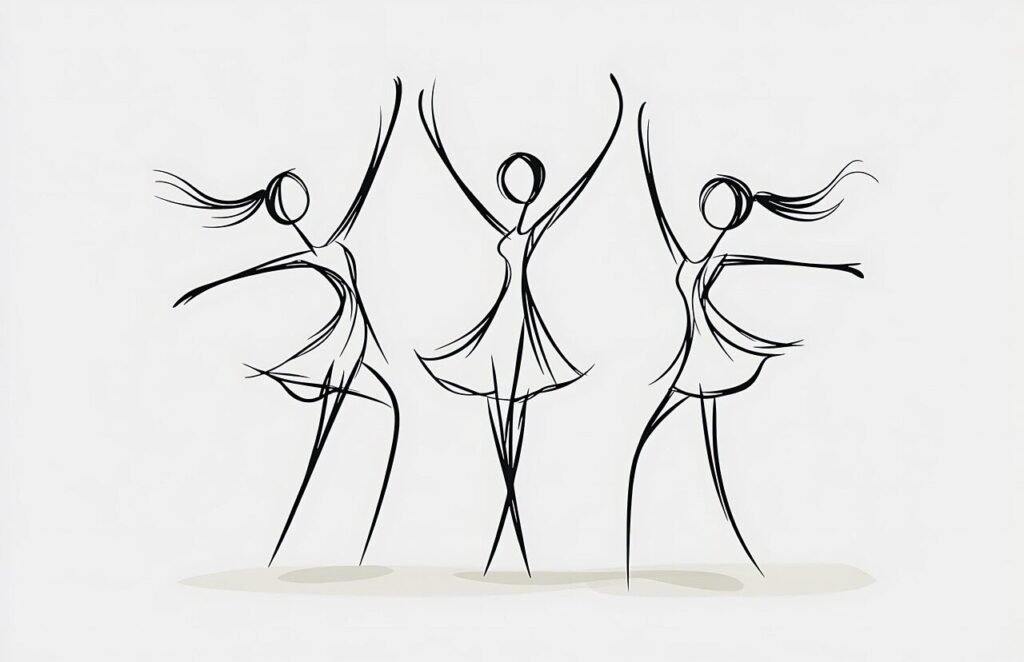
When it comes to capturing the essence of the human form—or any living subject—gesture drawing stands as one of the most powerful and enduring exercises in an artist’s toolkit. With fluid lines and dynamic mark-making, this practice helps you portray weight, motion, balance, and expression in just a few confident strokes. It’s not about refining detail or accuracy. It’s about energy.
This guide explores the core principles of gesture drawing, how to get started, and techniques that will strengthen your skills and train your observational eye.
credit: ASNEE
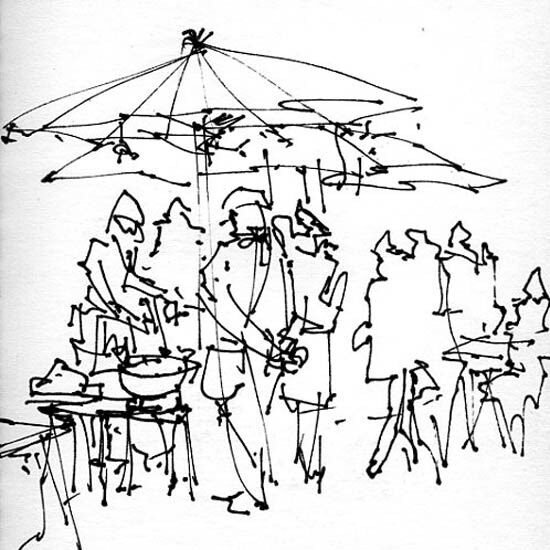
Gesture drawing is the practice of making quick, expressive sketches to capture the movement, posture, and rhythm of a subject. It focuses on dynamic form rather than surface details. Typically timed, gesture drawings last anywhere from 30 seconds to 5 minutes and prioritize motion over anatomy.
Artists rely on this method for:
- Warming up before intensive figure work
- Studying body mechanics and fluidity
- Developing visual memory and decision-making speed
- Exploring expression through simplified linework
Whether in traditional life drawing classes, animation studios, or digital sketchbooks, gesture drawing is foundational for portraying vitality.
Why Gesture Drawing Matters
The practice of gesture drawing trains your ability to see beyond outlines. It helps break the habit of stiff rendering and opens the door to expressive, intuitive drawing.
It benefits artists by:
- Encouraging continuous line confidence
- Teaching proportional intuition over measurement reliance
- Enhancing speed without sacrificing intent
- Improving the translation of motion into form
- Laying groundwork for advanced figure studies and character design
More than a warmup, gesture sketching sharpens your artistic instincts and strengthens overall visual communication.
Choosing the Right Tools



Gesture drawing thrives on immediacy, so your materials should reflect that.
Recommended tools include:
- Soft graphite pencils or charcoal for smooth, tonal sweeps
- Ink or brush pens for bold, flowing marks
- Digital tablets with customizable brushes and time-tracking tools
- Newsprint or sketch pads that handle loose, high-volume mark-making
You want tools that match the speed of your arm and help you avoid overworking. Keep your setup lightweight so you can focus entirely on movement and form.
Structuring a Gesture Drawing Session
To make the most of a gesture drawing practice session, structure it around time and progression. Start loose and increase drawing time gradually to build control.
A sample structure might include:
- 5 poses at 30 seconds
- 5 poses at 1 minute
- 3 poses at 2 minutes
- 1 pose at 5 minutes
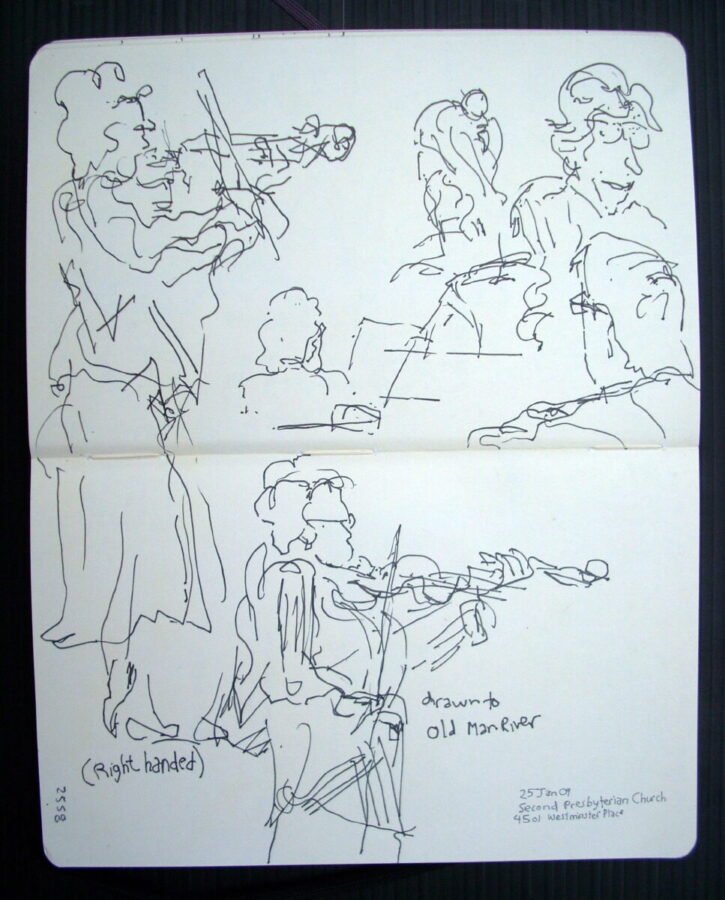
This format helps develop speed and rhythm while allowing for refinement. Use a timer app or live model drawing site, or sketch people in motion—at a park, café, or transit station.
Key Techniques for Dynamic Gesture Sketches
Use the line of action
The line of action is the backbone of a gesture sketch. It’s the single sweeping curve that captures the body’s overall direction, rhythm, and emotional energy before any details appear. Instead of thinking about anatomy or contour, think about momentum—how the figure moves through space, where the weight settles, and how the pose breathes. This line should feel fluid and intuitive, almost like a quick signature that defines the entire drawing.
Establishing the primary sweep
Start by identifying the strongest directional force in the pose. It might be the arc of the spine, the tilt of the shoulders, or the thrust of the hips. Draw it in one continuous motion, letting your arm move freely. This first stroke sets the tone for everything that follows.
Using the line of action to unify the pose
Once the main sweep is in place, use it as a guide for the rest of the figure. Limbs, angles, and secondary curves should echo or counterbalance this line, creating a cohesive sense of flow. The line of action keeps the sketch from feeling stiff or fragmented, anchoring the entire gesture in a single expressive idea.
Flow, not contour
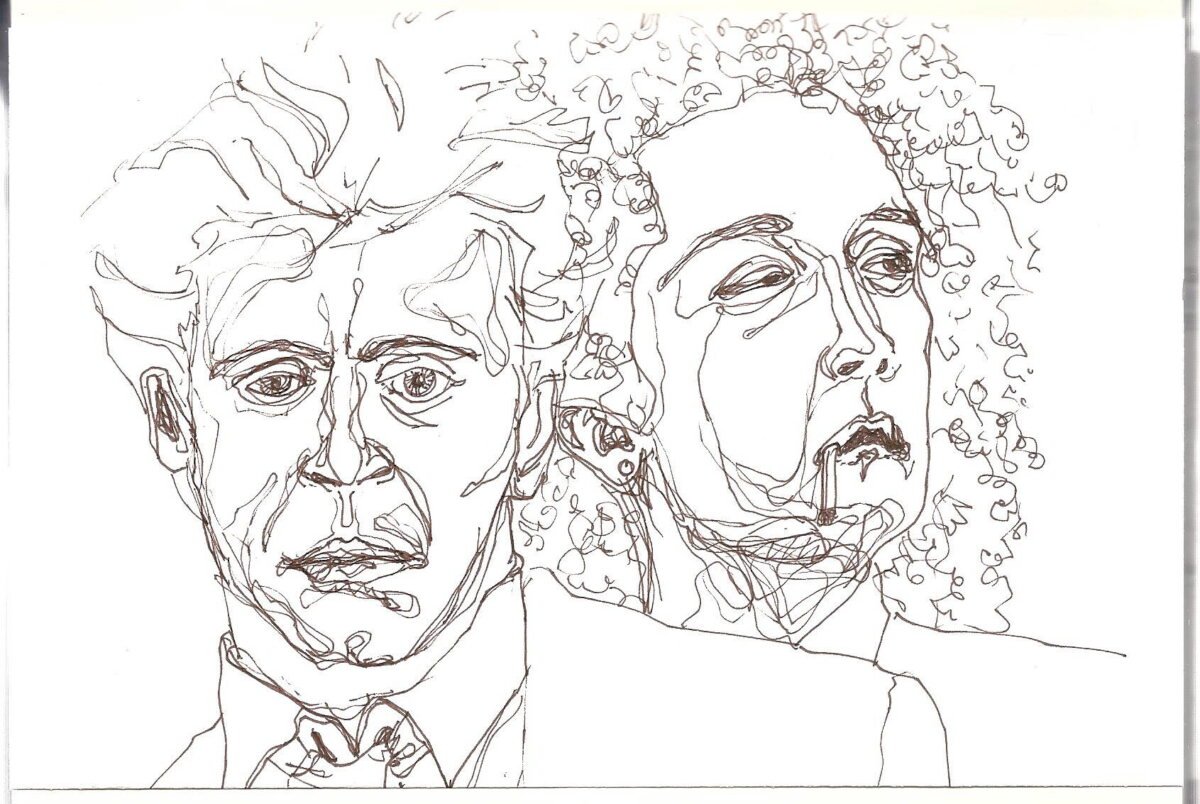
Gesture drawing is about movement, not edges. Instead of tracing the outline of the figure, focus on the internal pathways of energy—the invisible currents that run through the pose. Flow lines help you capture the essence of motion long before you worry about accuracy.
Prioritizing internal movement
Look for the directional forces inside the body: the curve of the ribcage, the twist of the torso, the angle of the pelvis. These internal rhythms guide the viewer’s eye and give the sketch its vitality. When you draw from the inside out, the pose feels alive rather than static.
Avoiding contour dependency
Outlines tend to freeze the drawing. They trap you in the surface instead of inviting you into the structure. By delaying contour until later—or skipping it entirely—you allow the gesture to stay loose, expressive, and full of momentum.
Draw from the shoulder
Gesture drawing thrives on broad, confident strokes. When you draw from the shoulder instead of the wrist, your marks become more fluid, more dynamic, and more connected to the movement of the pose.
Expanding your physical range
Use your whole arm to draw, not just your hand. This encourages sweeping lines, smoother curves, and a natural sense of rhythm. It also helps you avoid the tight, scratchy marks that come from relying solely on the wrist.
Feeling the motion in your body
Gesture drawing is as much a physical act as a visual one. Let your posture, breath, and arm movement mirror the energy of the pose. When your body participates, your lines carry more intention and clarity.
Simplify forms
Gesture sketches aren’t about detail—they’re about structure. Breaking the body into simple shapes helps you understand how the figure moves and how its parts relate to one another.
Using basic shapes
Think in terms of cylinders, spheres, and bean forms. These shapes are quick to draw and easy to manipulate, allowing you to block in the pose without getting lost in complexity. Simplification keeps your focus on the overall movement rather than the specifics.
Building clarity through reduction
The fewer shapes you use, the clearer the gesture becomes. Overcomplicating early forms can bog down the drawing. Aim for the simplest possible construction that still communicates the pose’s intent.
Embrace imperfection
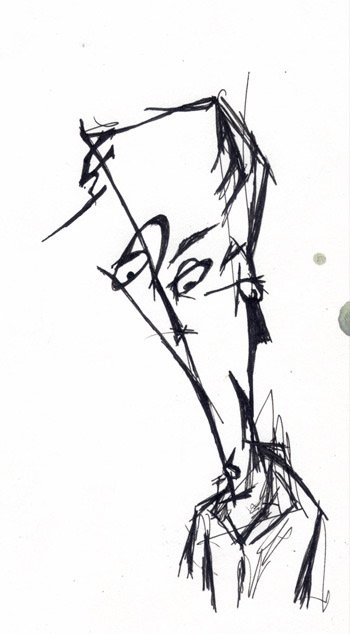
Gesture drawing is not about precision—it’s about expression. Imperfect lines, overlaps, and corrections are part of the process. They show your thinking and give the sketch character.
Letting go of accuracy
Accuracy comes later. Gesture is about capturing the idea of the pose, not the exact proportions. Allow your lines to be loose, exploratory, and even messy. This freedom helps you stay responsive to the movement rather than fixated on correctness.
Valuing expressive marks
Every mark you make contributes to the feeling of the pose. Even a “wrong” line can reveal something about the weight, direction, or rhythm. Embracing imperfection keeps the drawing alive.
Let each mark reflect weight, twist, lean, and balance
Gesture drawing is storytelling through movement. Each stroke should communicate something about how the figure stands, shifts, or carries its weight.
Observing the body’s physics
Notice where the weight settles—on one leg, through the hips, or across the shoulders. Identify twists in the torso, leans in the spine, and counterbalances in the limbs. These physical truths give your gesture sketches believability and depth.
Translating physical forces into marks
Use line thickness, speed, and direction to express the body’s dynamics. A heavy weight shift might call for a bold, grounded stroke. A twisting motion might need a spiraling curve. When your marks reflect the body’s forces, the drawing feels immediate and alive.
Common Mistakes and How to Avoid Them
Even though gesture drawing is freeform, pitfalls do exist:
- Over-focusing on detail: Save specifics for longer sessions; focus on volume and flow early on
- Short, scratchy lines: Use sweeping, continuous strokes for cohesion and energy
- Ignoring body mechanics: Don’t forget gravity, balance, and the weight shift between limbs
- Drawing from memory too early: Always start with direct observation to build strong habits
- Stopping too soon: Push through awkward starts; you’ll improve by doing, not waiting for perfect poses
The more regularly you practice, the clearer your lines and instincts will become.
Gesture Drawing Beyond the Figure
Although most gesture work is tied to figure drawing, the technique expands well into other art areas:
- Animals: Quick sketches at zoos or videos can teach limb coordination and pose
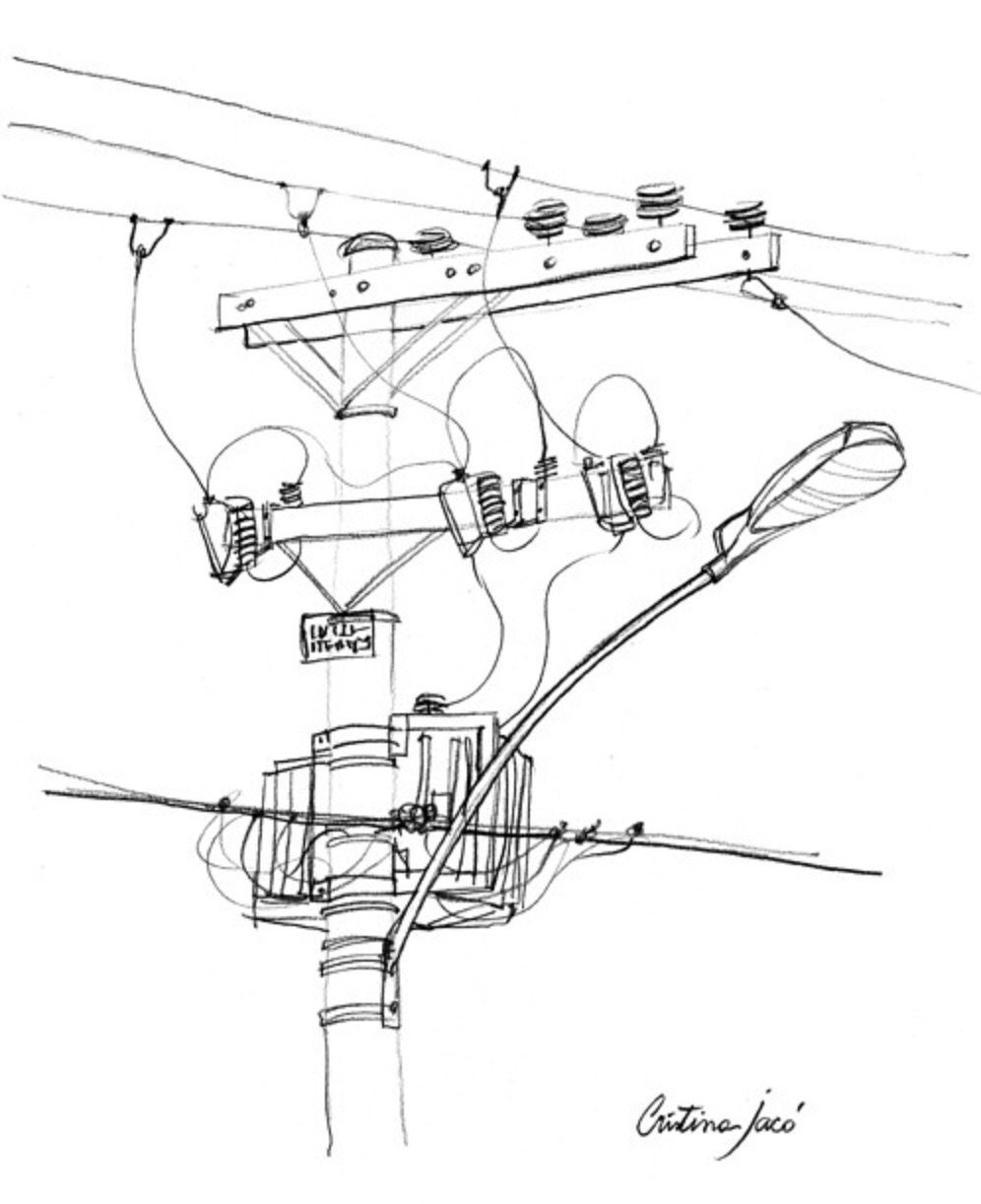
- Urban scenes: Capture people in motion to improve environmental storytelling
- Character design: Build expressive, lively characters from fluid gesture foundations
- Still life: Describe the gesture of inanimate forms—the lean of a vase, the flow of drapery
- Explore Creative Uses: Gesture Loops are a wonderful off-shoot dealing with motion
Gesture isn’t about what you’re drawing—it’s about how you see and respond to it.

 Sketchbooks.org | TRADITIONAL MATERIALS
Different Types of Markers | Start Using Them with Confidence
Discover the vibrant possibilities of artist markers. Explore the differences between alcohol, water, and pigment-based systems.
Frequently Asked Questions
What is gesture drawing used for?
Gesture drawing captures movement, posture, and energy quickly—helping artists loosen up and sharpen their observational skills.
How long should a gesture drawing take?
Most gestures are timed between 30 seconds and 5 minutes, depending on your focus and intent.
Do gesture drawings need detail?
No, the goal is to express motion and weight with simplified marks, not render anatomy.
What’s the difference between gesture and contour drawing?
Gesture captures dynamic action, while contour focuses on the outer edge and precision of form.
Can I do gesture drawing digitally?
Absolutely—digital tools like Procreate or Clip Studio Paint allow for speed, undo, and brush variation.
What subjects can I use for gesture drawing?
Figures, animals, people in motion, or even everyday objects with dynamic shapes all work well.
Is gesture drawing only for beginners?
No—it’s a foundational skill practiced by artists of all levels to maintain expressive fluency.
Final Thoughts
Gesture drawing is more than a warmup—it’s a mindset that channels the rhythm of life into the marks you make. When you practice this technique consistently, you unlock a more responsive, fluid drawing style that serves every corner of your artistic journey.
So grab your sketchbook, set a timer, and let the energy lead. The more you trust your hand to follow movement, the more alive your art will become. Let gesture drawing be your ongoing invitation to draw not just what you see—but what you feel.
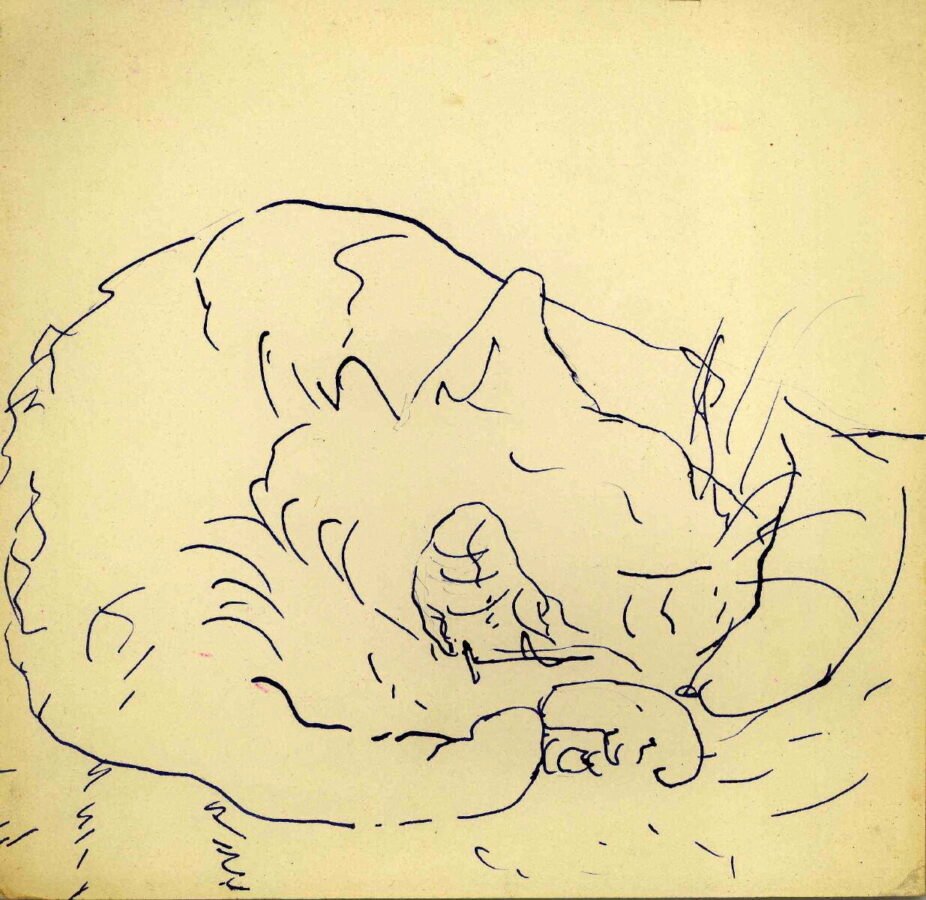
credit: STMCGURIN
Ready to Share Your Work?
Do you have multiple sketchbooks for different purposes?

Just tested this method on a few character thumbnails—it really does help define gesture and expression without overworking. The results looked more alive than usual. Solid tip I’ll keep using in figure studies.
loosen up and stop obsessing over anatomy
“stiff drawing syndrome” yikes!