Table of Contents
Choosing between professional and budget art supplies can feel like navigating a maze—especially when you’re working with sketchbooks, drawing materials, pencils, markers, brush pens, inks, and paper. Artists at every level eventually ask the same question: When does quality actually matter, and when can you safely save money?
Understanding the Real Difference Between Professional and Budget Art Supplies
The debate around professional vs. budget art supplies isn’t just about price—it’s about performance, longevity, and how your tools support your creative goals. While budget materials can absolutely be useful, especially for practice or casual sketching, professional-grade supplies are engineered for consistency, durability, and predictable results.
When you’re working with sketchbooks, pencils, markers, brush pens, inks, and drawing papers, the differences become even more noticeable. Some materials matter more than others depending on your style, medium, and expectations for the final artwork.
When Quality Matters Most: Key Materials That Benefit From Professional Grade
Sketchbooks and Paper



Paper is one of the most important materials where quality dramatically affects your results.
Professional sketchbooks typically offer:
- Higher-quality fibers (cotton or premium cellulose)
- Better surface sizing for wet and dry media
- Stronger binding that withstands heavy use
- Archival properties that prevent yellowing
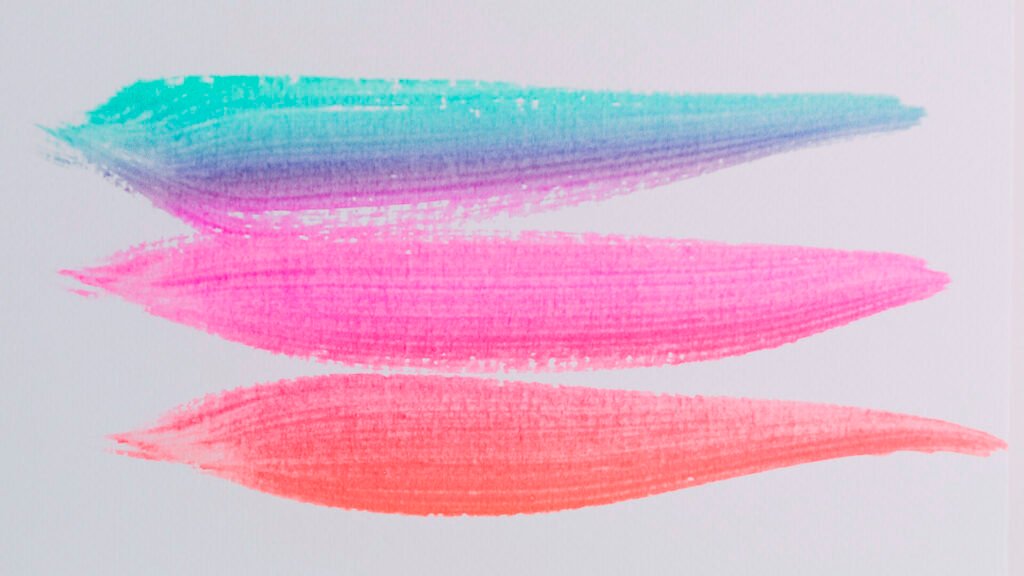
Budget sketchbooks often work fine for pencil sketches, thumbnails, and warmups. But for ink work, markers, or mixed media, cheaper paper can feather, bleed, buckle, or dull your colors.
Pencils (Graphite and Colored)
Professional pencils offer:
- Consistent graphite density
- Smooth laydown
- Better blendability
- Stronger cores that resist breakage
Budget pencils can be scratchy, inconsistent, or overly waxy. For graphite sketching, mid-range pencils are often enough. But for colored pencil artists, professional-grade pigments and binders make a world of difference.
Markers
Alcohol markers are one of the clearest examples of “you get what you pay for.”
Professional markers provide:
- High pigment load
- Smooth blending
- Refillable bodies
- Replaceable nibs
- Reliable color consistency
Budget markers can streak, dry out quickly, or shift in color. They’re great for practice, but for polished illustrations or client work, professional markers are worth the investment.
Brush Pens
Brush pens vary wildly in quality. Professional versions offer:
- Flexible, responsive tips
- Rich, consistent ink flow
- Archival ink options
- Better control for line variation
Budget brush pens often fray quickly or produce uneven lines. They’re fine for casual sketching, but not ideal for expressive linework or inking final pieces.
Inks
Ink quality matters enormously for artists who work traditionally.
Professional inks offer:
- Lightfast pigments
- Smooth flow
- Waterproof or water-soluble options
- Archival permanence
Budget inks may fade, feather, or react unpredictably with paper. If you’re doing calligraphy, inking comics, or creating finished illustrations, professional ink is worth the upgrade.
When Budget Supplies Are Perfectly Fine
Not every tool needs to be top-tier. In fact, many artists mix professional and budget materials strategically.
Budget supplies work well for:
- Daily sketching
- Warmups and gesture drawing
- Experimentation
- Travel sketching
- Learning new mediums
- Kids or beginners
Some materials—like kneaded erasers, blending stumps, or basic graphite pencils—don’t require premium versions to perform well.
How to Decide: Questions to Ask Before Buying
1. Is this for practice or a finished piece?
Practice work rarely requires professional materials.
2. Does the medium rely heavily on pigment quality?
Markers, colored pencils, and inks benefit most from professional-grade pigments.
3. Does the paper need to withstand wet media?
If yes, invest in better paper.
4. Do you need archival quality?
If you plan to sell or display your work, professional materials matter.
5. Are you still learning the medium?
Start with budget supplies, then upgrade as your skills grow.
The Hidden Costs of Cheap Art Supplies
Budget materials can be cost-effective, but they sometimes create hidden frustrations:
- Paper that pills or buckles
- Markers that streak
- Brush pens that fray
- Pencils that break constantly
- Inconsistent colors
- Ink that bleeds or feathers
These issues can slow your progress and make learning harder. Sometimes, upgrading even one or two key tools can dramatically improve your experience.
Where You Can Save Money Without Sacrificing Quality
You can safely choose budget options for:
- Graphite pencils
- Mechanical pencils
- Erasers
- Basic sketchbooks for warmups
- Practice markers
- Student-grade colored pencils for layering practice
- Rulers, sharpeners, and accessories
These items don’t dramatically affect the final look of your artwork.
Where You Should Invest in Professional Quality
You’ll see the biggest improvement when upgrading:
- Alcohol markers
- Brush pens
- Inking pens
- Watercolor paper
- Mixed media sketchbooks
- Colored pencils for finished work
- Pigmented inks
- Specialty papers (toned, textured, archival)
These materials directly influence color vibrancy, line quality, and the longevity of your artwork.
How to Build a Balanced Art Supply Kit
A smart approach is to mix both professional and budget supplies. For example:
- Use a budget sketchbook for daily practice
- Keep a professional sketchbook for finished pieces
- Use budget markers for color studies
- Use professional markers for final illustrations
- Use mid-range pencils for sketching
- Use professional colored pencils for detailed work
This hybrid method keeps costs manageable while still giving you access to high-quality tools when they matter most.
 Sketchbooks.org | SKETCHBOOK MATERIALS
The Different Types of Pastels | Start Using Them Like a Pro
Navigate the soft and vibrant world of pastels. Discover the unique properties of oil, chalk, and pan pastels for your creative studies.
Frequently Asked Questions
Do I need professional supplies to improve as an artist?
No—skill comes from practice. Professional supplies simply make the process smoother and more predictable.
Are budget sketchbooks good enough for daily drawing?
Yes, most budget sketchbooks work well for graphite and light ink work.
Do professional markers really blend better?
Yes, they contain higher-quality pigments and alcohol blends that create smoother transitions.
Is expensive paper worth it for ink drawings?
Absolutely—good paper prevents feathering, bleeding, and dull lines.
Should beginners start with cheap supplies?
Yes, especially when learning fundamentals or experimenting with new mediums.
Why do some brush pens fray so quickly?
Lower-quality fibers break down faster, especially on rough paper.
Does lightfastness matter for sketchbook work?
Not usually, unless you plan to display or sell the artwork.
Are student-grade colored pencils good for layering?
They can be, but professional pencils offer smoother blending and richer pigments.
Can I mix professional and budget supplies in one piece?
Yes, many artists do this successfully.
Final Thoughts
The debate of professional vs. budget art supplies isn’t about choosing one side—it’s about understanding when quality truly matters. For sketchbooks, drawing materials, pencils, markers, brush pens, inks, and paper, the right choice depends on your goals, your medium, and the purpose of the artwork.
Use budget supplies for practice, exploration, and everyday sketching. Invest in professional materials when you want consistency, vibrancy, durability, and archival results. A balanced toolkit gives you the freedom to grow, experiment, and create your best work without overspending.
Ready to Share Your Work?
Do you share your sketchbook content with others?