Table of Contents
Charcoal sticks and pencils have been a cornerstone of artistic expression for centuries. Their versatility, depth, and tactile quality make them indispensable tools for artists ranging from beginners to professionals. Whether you’re sketching quick studies, building dramatic tonal compositions, or refining delicate details, charcoal offers a unique balance of control and spontaneity. In this comprehensive guide, we’ll explore the differences between charcoal sticks and pencils, their applications, techniques, and how to choose the right tools for your creative journey.
What Are Charcoal Sticks and Pencils?
Charcoal sticks are compressed or natural pieces of carbonized wood, often willow or vine, that produce rich, velvety marks. They are known for their bold strokes and ability to cover large areas quickly.
Charcoal pencils, on the other hand, encase compressed charcoal in a wooden barrel, offering precision and cleanliness while maintaining the expressive qualities of charcoal.
Both forms of charcoal are prized for their ability to create deep blacks, subtle grays, and a wide range of textures. They allow artists to explore value contrast, shading, and expressive linework in ways that graphite alone cannot achieve.
Types of Charcoal
Vine Charcoal



Made from burnt willow or vine twigs, vine charcoal is soft, lightweight, and easily erasable. It’s perfect for gesture drawings, preliminary sketches, and expressive mark-making.
Compressed Charcoal
Compressed charcoal is denser and darker, often bound with gum or wax. It produces bold, lasting marks and is ideal for dramatic shading and strong contrasts.
Charcoal Pencils
Encased in wood, charcoal pencils provide cleaner handling and sharper lines. They are excellent for detailed work, controlled shading, and combining with other media.
Powdered Charcoal
Powdered charcoal is used for broad tonal effects, backgrounds, and blending. Applied with brushes or cloth, it creates atmospheric textures and gradients.
Advantages of Charcoal Sticks and Pencils
Expressive Range
Charcoal allows for both delicate lines and bold, sweeping strokes. This versatility makes it suitable for quick sketches as well as finished artworks.
Rich Tonal Values
Few mediums can match charcoal’s ability to produce deep blacks and subtle grays. This tonal range is essential for creating depth, dimension, and dramatic contrasts.
Easy Blending
Charcoal blends effortlessly with fingers, blending stumps, or cloth. This makes it ideal for smooth transitions, soft shadows, and atmospheric effects.
Erasability
Vine charcoal, in particular, erases easily, allowing artists to adjust compositions without damaging the paper. This flexibility encourages experimentation and refinement.
Techniques for Using Charcoal
Gesture Drawing
Charcoal’s responsiveness makes it perfect for capturing movement and energy in gesture drawings. Loose strokes convey rhythm and vitality.
Shading and Value Studies
By layering and blending, artists can create smooth gradients and explore light and shadow relationships. Charcoal excels in value studies where tonal contrast is key.
Cross-Hatching and Line Work
Charcoal pencils are excellent for controlled linework, including hatching and cross-hatching. These techniques add texture and depth to drawings.
Smudging and Blending
Artists often smudge charcoal intentionally to soften edges or create atmospheric effects. Blending tools like tortillons or brushes enhance this technique.
Lifting Highlights
Using an eraser, highlights can be lifted from charcoal drawings. Kneaded erasers are particularly effective for shaping light areas and refining details.
Choosing the Right Paper
Charcoal requires a surface with enough tooth to grip the medium. Popular choices include:
- Cartridge paper: Balanced texture for general sketching.
- Textured drawing paper: Enhances the graphic quality of hatching and shading.
- Watercolor paper: Suitable for mixed media, combining charcoal with ink or washes.
- Newsprint: Inexpensive and lightweight, ideal for practice and gesture studies.
Combining Charcoal with Other Media
Charcoal pairs beautifully with other materials:
- Graphite: Adds precision and detail alongside charcoal’s boldness.
- Ink: Creates striking contrasts between fluid lines and textured shading.
- Pastel: Enhances tonal richness with color overlays.
- White chalk: Provides highlights and expands the value range on toned paper.
Practical Tips for Working with Charcoal
Control Dust
Charcoal can be messy. Use fixative sprays to preserve drawings and reduce smudging.
Layer Gradually
Build values step by step, starting with light strokes and deepening tones as needed.
Experiment Freely
Charcoal encourages exploration. Don’t be afraid to combine techniques, erase boldly, or layer different forms of charcoal.
Protect Your Work
Store finished pieces with protective sheets or fixatives to prevent smearing and deterioration.
 Sketchbooks.org | FEATURED ARTISTS
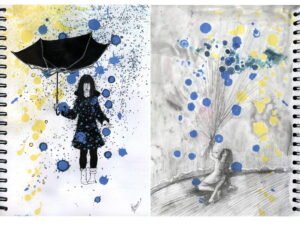
AniaPawlik · Creative Stories in Every Sketch
Immerse yourself in the narrative world of Ania Pawlik. Explore how every sketchbook page unfolds a new story through evocative visual storytelling.
Frequently Asked Questions
What is the difference between charcoal sticks and pencils?
Sticks are raw pieces of charcoal for bold strokes, while pencils encase compressed charcoal for precision.
Can charcoal be erased easily?
Vine charcoal erases cleanly, while compressed charcoal is more permanent but can still be lightened.
What paper works best for charcoal?
Textured papers like cartridge or watercolor paper provide the best grip and tonal control.
How do I prevent smudging in charcoal drawings?
Use fixative sprays and handle drawings carefully, storing them with protective sheets.
Can charcoal be combined with other media?
Yes, it pairs well with graphite, ink, pastel, and chalk for mixed-media effects.
Is charcoal suitable for beginners?
Absolutely—its flexibility and erasability make it an excellent medium for learning shading and value.
How do I create highlights in charcoal drawings?
Highlights are lifted with kneaded erasers, which can shape light areas precisely.
Does charcoal work for detailed drawings?
Charcoal pencils are perfect for fine details, controlled shading, and intricate textures.
Final Thoughts
Charcoal sticks and pencils remain timeless tools for artists seeking expressive range, tonal depth, and versatility. From quick gesture sketches to refined, detailed compositions, charcoal adapts to every stage of the creative process. Its ability to blend, erase, and layer makes it both forgiving and powerful, encouraging experimentation while rewarding precision. Whether you’re just beginning your artistic journey or refining advanced techniques, charcoal offers a medium that is both classic and endlessly adaptable.
By embracing the unique qualities of charcoal sticks and pencils, artists can unlock new dimensions of creativity, producing work that resonates with texture, emotion, and timeless artistry.
Ready to Share Your Work?
If your sketchbook had a superpower, what would it be?